

Trade
Basic
Futures
Futures
Hundreds of contracts settled in USDT or BTC
Options
HOT
Trade European-style vanilla options
Unified Account
Maximize your capital efficiency
Demo Trading
Futures Kickoff
Get prepared for your futures trading
Futures Events
Participate in events to win generous rewards
Demo Trading
Use virtual funds to experience risk-free trading
Earn
Launch
CandyDrop
Collect candies to earn airdrops
Launchpool
Quick staking, earn potential new tokens
HODLer Airdrop
Hold GT and get massive airdrops for free
Launchpad
Be early to the next big token project
Alpha Points
NEW
Trade on-chain assets and enjoy airdrop rewards!
Futures Points
NEW
Earn futures points and claim airdrop rewards
Investment
Simple Earn
Earn interests with idle tokens
Auto-Invest
Auto-invest on a regular basis
Dual Investment
Buy low and sell high to take profits from price fluctuations
Soft Staking
Earn rewards with flexible staking
Crypto Loan
0 Fees
Pledge one crypto to borrow another
Lending Center
One-stop lending hub
VIP Wealth Hub
Customized wealth management empowers your assets growth
Private Wealth Management
Customized asset management to grow your digital assets
Quant Fund
Top asset management team helps you profit without hassle
Staking
Stake cryptos to earn in PoS products
Smart Leverage
NEW
No forced liquidation before maturity, worry-free leveraged gains
GUSD Minting
Use USDT/USDC to mint GUSD for treasury-level yields

More






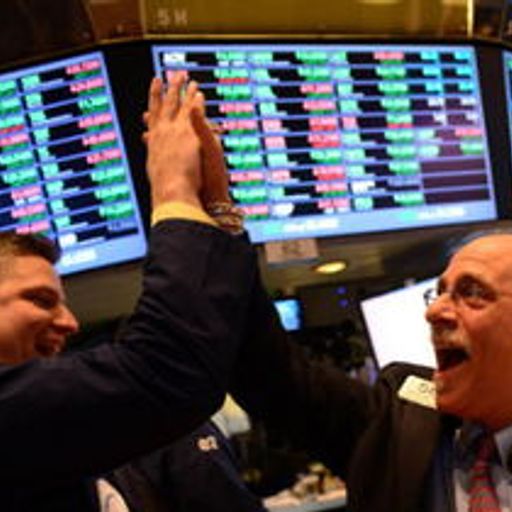
Market sentiment is rapidly deteriorating, with the Crypto Fear & Greed Index plunging 8 points in two days to 24.
According to the latest news, the cryptocurrency fear and greed index has dropped from 32 to 24 within just two days, and the market has entered an extreme fear zone. This is not just a numerical decline but reflects a reality where the market is under pressure across multiple dimensions such as volatility, trading volume, and social media activity. When the sentiment index reaches this level, what is the market experiencing? What does this mean for investors?
Rapid Deterioration of the Sentiment Index
The data changes over the past three days are noteworthy. Based on the relevant information compiled into a time series:
From 49 to 24, the market took only two days to shift from “Neutral” to “Extreme Fear.” This speed is not a slow emotional shift but a rapid attitude reversal. More importantly, the weekly average was 48 last week, meaning today’s 24 is 50% lower than the previous week’s average.
What the Fear Index Measures
The fear and greed index is not an arbitrary number; it is composed of six dimensions:
A drop from 32 to 24 indicates that multiple dimensions among these six are deteriorating simultaneously. It could be a sudden increase in volatility, a contraction in trading volume, a sharp cooling of social discussions, or a combination of these factors. This reflects a comprehensive market pressure rather than an issue with a single indicator.
What Extreme Fear Means
When the fear index enters the 0-23 range, known as extreme fear, it often marks a dividing line between two outcomes in history. One is continued market decline, with investor confidence completely collapsing. The other is the start of a rebound, as extreme fear is usually associated with overly pessimistic pricing.
Looking at the data itself, the weekly average of 48 and the previous month’s average (which, according to relevant information, was also extreme fear) suggest that the market has experienced even more severe conditions before. This indicates that while current extreme fear is serious, it is not the lowest in history.
What to Watch for Next
The most critical point is the next movement of the fear index. If it continues to decline, it indicates that negative factors in the market are intensifying. If it begins to rebound, it may mean the market has digested the bad news. Additionally, attention should be paid to which dimension is driving this decline—whether it’s volatility, trading volume exhaustion, or social media cooling—as this will influence the pace of subsequent rebounds.
Summary
The cryptocurrency sentiment index has fallen from 32 to 24 within two days, entering an extreme fear zone. This reflects a situation where the market is under pressure across multiple dimensions such as volatility, trading volume, and social media activity. Although extreme fear sounds severe, historical data shows that the market has experienced similar or even more extreme conditions before. The key now is to observe whether this index continues to decline or shows signs of rebound, which will determine whether the market is still releasing risk or has already bottomed out. For investors, extreme fear is both a risk signal and potentially an opportunity, depending on the market’s subsequent actual performance.