

Trade
Basic
Futures
Futures
Hundreds of contracts settled in USDT or BTC
Options
HOT
Trade European-style vanilla options
Unified Account
Maximize your capital efficiency
Demo Trading
Futures Kickoff
Get prepared for your futures trading
Futures Events
Participate in events to win generous rewards
Demo Trading
Use virtual funds to experience risk-free trading
Earn
Launch
CandyDrop
Collect candies to earn airdrops
Launchpool
Quick staking, earn potential new tokens
HODLer Airdrop
Hold GT and get massive airdrops for free
Launchpad
Be early to the next big token project
Alpha Points
NEW
Trade on-chain assets and enjoy airdrop rewards!
Futures Points
NEW
Earn futures points and claim airdrop rewards
Investment
Simple Earn
Earn interests with idle tokens
Auto-Invest
Auto-invest on a regular basis
Dual Investment
Buy low and sell high to take profits from price fluctuations
Soft Staking
Earn rewards with flexible staking
Crypto Loan
0 Fees
Pledge one crypto to borrow another
Lending Center
One-stop lending hub
VIP Wealth Hub
Customized wealth management empowers your assets growth
Private Wealth Management
Customized asset management to grow your digital assets
Quant Fund
Top asset management team helps you profit without hassle
Staking
Stake cryptos to earn in PoS products
Smart Leverage
NEW
No forced liquidation before maturity, worry-free leveraged gains
GUSD Minting
Use USDT/USDC to mint GUSD for treasury-level yields

More


Trending Topics
View More38.22K Popularity
20.71K Popularity
8K Popularity
54.64K Popularity
343.53K Popularity



Pin
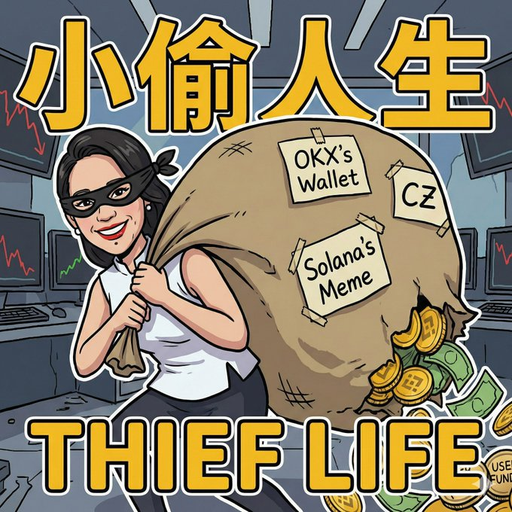
The crypto community has recently been embroiled in a voting dispute. World Liberty Fi(WLFI) submitted a new proposal at the end of the year, advocating to unlock 5% of the treasury holdings to promote USD1 growth. The seemingly reasonable proposal hides a hidden agenda—it was initially rejected in the vote until the project team and partners intervened to force a reversal.
What’s going on? Some crypto analysts have uncovered on-chain data from Bubble Maps, revealing that most of the wallets with the highest voting power are controlled by the project team or strategic partners themselves. A governance vote that appears open and transparent was actually manipulated behind the scenes. Even more shocking, WLFI’s power distribution is extremely uneven: the project team controls 33.5% of the total supply, strategic partners hold another 5.85%, while public sales account for only 20%. In other words, centralized holdings have far more influence from the start than dispersed token holders.
Can ordinary token holders get a share of the protocol’s revenue? The white paper provides a harsh answer—no. According to the rules, 75% of the protocol’s income flows to the Trump family, and 25% to the Vitkov family. After this vote passed, the project team was essentially using a “democratic show” to pave the way for their own sell-off, with locked tokens becoming victims, while protocol revenues continuously flow to the vested interests.
Currently, WLFI is trading around $0.1641, with a market cap of approximately $4.469 billion, and a fully diluted valuation reaching as high as $16.4 billion. This governance controversy also prompts a re-examination: when token distribution is overly concentrated, how much genuine meaning can democratic voting still hold?