

Trade
Basic
Futures
Futures
Hundreds of contracts settled in USDT or BTC
Options
HOT
Trade European-style vanilla options
Unified Account
Maximize your capital efficiency
Demo Trading
Futures Kickoff
Get prepared for your futures trading
Futures Events
Participate in events to win generous rewards
Demo Trading
Use virtual funds to experience risk-free trading
Earn
Launch
CandyDrop
Collect candies to earn airdrops
Launchpool
Quick staking, earn potential new tokens
HODLer Airdrop
Hold GT and get massive airdrops for free
Launchpad
Be early to the next big token project
Alpha Points
NEW
Trade on-chain assets and enjoy airdrop rewards!
Futures Points
NEW
Earn futures points and claim airdrop rewards
Investment
Simple Earn
Earn interests with idle tokens
Auto-Invest
Auto-invest on a regular basis
Dual Investment
Buy low and sell high to take profits from price fluctuations
Soft Staking
Earn rewards with flexible staking
Crypto Loan
0 Fees
Pledge one crypto to borrow another
Lending Center
One-stop lending hub
VIP Wealth Hub
Customized wealth management empowers your assets growth
Private Wealth Management
Customized asset management to grow your digital assets
Quant Fund
Top asset management team helps you profit without hassle
Staking
Stake cryptos to earn in PoS products
Smart Leverage
NEW
No forced liquidation before maturity, worry-free leveraged gains
GUSD Minting
Use USDT/USDC to mint GUSD for treasury-level yields

More






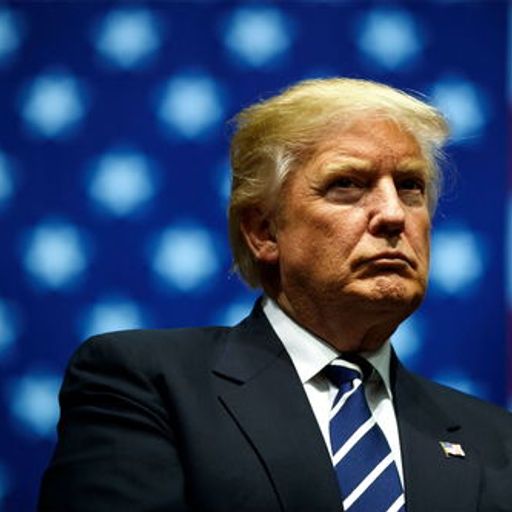
#预测市场交易行为 The prediction market story is quite interesting. A trader used just over $30,000 on Polymarket to bet on Maduro's resignation, and within just 24 hours, he earned over $400,000 — there's nothing wrong with the trade itself, but the issue is that his trading happened hours before Trump's official announcement. US lawmakers are now proposing legislation to ban officials with non-public information from trading in prediction markets, which effectively draws a red line for insider trading.
My view is: prediction markets are a good interactive scenario in themselves, but increasingly strict rules mean the window of opportunity is closing. For us, the key is to identify what compliant participation spaces still exist before policies tighten — for example, ordinary users' reasonable trades are fully permitted, but don’t try to exploit information asymmetry for hard manipulation.
I recommend focusing on prediction interactions that are fully decentralized and user-driven, avoiding contracts involving politically sensitive topics. As rules tighten, it’s actually a good time to clean up the wild growth, and the remaining opportunities become more valuable. Keep an eye on new project interaction spaces — there are always corners that the mainstream hasn’t covered yet.