

Trade
Basic
Futures
Futures
Hundreds of contracts settled in USDT or BTC
Options
HOT
Trade European-style vanilla options
Unified Account
Maximize your capital efficiency
Demo Trading
Futures Kickoff
Get prepared for your futures trading
Futures Events
Participate in events to win generous rewards
Demo Trading
Use virtual funds to experience risk-free trading
Earn
Launch
CandyDrop
Collect candies to earn airdrops
Launchpool
Quick staking, earn potential new tokens
HODLer Airdrop
Hold GT and get massive airdrops for free
Launchpad
Be early to the next big token project
Alpha Points
NEW
Trade on-chain assets and enjoy airdrop rewards!
Futures Points
NEW
Earn futures points and claim airdrop rewards
Investment
Simple Earn
Earn interests with idle tokens
Auto-Invest
Auto-invest on a regular basis
Dual Investment
Buy low and sell high to take profits from price fluctuations
Soft Staking
Earn rewards with flexible staking
Crypto Loan
0 Fees
Pledge one crypto to borrow another
Lending Center
One-stop lending hub
VIP Wealth Hub
Customized wealth management empowers your assets growth
Private Wealth Management
Customized asset management to grow your digital assets
Quant Fund
Top asset management team helps you profit without hassle
Staking
Stake cryptos to earn in PoS products
Smart Leverage
NEW
No forced liquidation before maturity, worry-free leveraged gains
GUSD Minting
Use USDT/USDC to mint GUSD for treasury-level yields

More


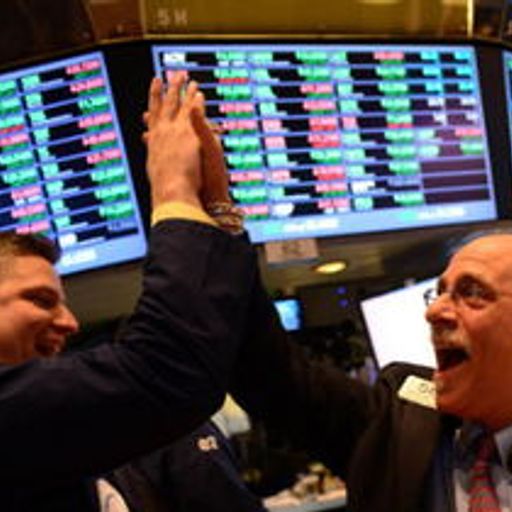



Every year during this period, the market puts on a "psychological battle" for seasoned traders. Bitcoin's movements are like testing each participant's nerves—pulling, smashing, probing repeatedly, leaving many to guess the direction in panic. Recently, this wave of correction has indeed been skillfully executed by the "dog whales," leaving many dizzy and shaken. But from a broader perspective, the overall trend has not truly been broken.
Why do we make this judgment? The key lies in observations at two levels.
First is the capital aspect. The critical support levels still hold, indicating that large investors are still in the game. Especially recently, influential institutions have been quietly positioning themselves in mainstream coins; they don't want to see the market cool down like this. Currently, bulls and bears are still arguing, much like on a football field—some are acting, some are charging hard. It's important to see who is truly controlling the game. During this period, don't be scared by superficial volatility; the real control still lies with the institutions.
Second is the cyclical characteristic. From the monthly chart, this September's oscillation resembles a thorough shakeout cycle. Many experienced traders almost got shaken out, and such times are often close to the bottom of the phase. The more panic there is, the more it might indicate that the bottom is near. Of course, this doesn't mean you should immediately go all-in; rather, if you've reduced your position earlier, consider gradually adding to your spot holdings during the pullback, leaving yourself room for action—able to attack or defend as needed.
Regarding practical operations, tools like grid trading are quite handy in such volatile markets. They can help you control the impulse to chase highs and sell lows, making your trading more disciplined. The market, in essence, is a zero-sum game—most people lose money because they are emotionally driven, chasing up and selling down, only to see prices fall when they buy and rise when they sell. If you can consistently make steady profits month after month, even with small gains, you are already outperforming most participants.
As for the upside potential, resistance levels do exist. Don't assume a bull market restart just because of a rally before actually breaking through. Maintaining about 50% of your position seems more prudent—this way, you won't miss out on upward opportunities, nor will you be caught off guard by sudden declines. At such times, mindset and risk management are often more important than betting on a particular direction.