

Trade
Basic
Futures
Futures
Hundreds of contracts settled in USDT or BTC
Options
HOT
Trade European-style vanilla options
Unified Account
Maximize your capital efficiency
Demo Trading
Futures Kickoff
Get prepared for your futures trading
Futures Events
Participate in events to win generous rewards
Demo Trading
Use virtual funds to experience risk-free trading
Earn
Launch
CandyDrop
Collect candies to earn airdrops
Launchpool
Quick staking, earn potential new tokens
HODLer Airdrop
Hold GT and get massive airdrops for free
Launchpad
Be early to the next big token project
Alpha Points
NEW
Trade on-chain assets and enjoy airdrop rewards!
Futures Points
NEW
Earn futures points and claim airdrop rewards
Investment
Simple Earn
Earn interests with idle tokens
Auto-Invest
Auto-invest on a regular basis
Dual Investment
Buy low and sell high to take profits from price fluctuations
Soft Staking
Earn rewards with flexible staking
Crypto Loan
0 Fees
Pledge one crypto to borrow another
Lending Center
One-stop lending hub
VIP Wealth Hub
Customized wealth management empowers your assets growth
Private Wealth Management
Customized asset management to grow your digital assets
Quant Fund
Top asset management team helps you profit without hassle
Staking
Stake cryptos to earn in PoS products
Smart Leverage
NEW
No forced liquidation before maturity, worry-free leveraged gains
GUSD Minting
Use USDT/USDC to mint GUSD for treasury-level yields

More




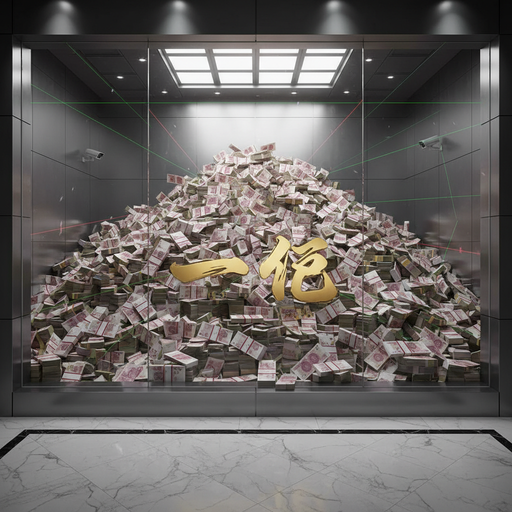


#2026年BTC价格展望 Is the cycle narrative really outdated?
The "Bitcoin halving cycle" logic might actually be failing. As we enter 2026, the factors driving prices have completely changed — no longer driven by retail speculation, but shifting towards deeper structural trends like "sovereign and institutional asset allocation." Just look at what BlackRock and others have been doing recently; their continuous buying pace hasn't stopped.
This explains why some leading analysis institutions are giving targets of $150,000 or even higher. These figures aren't derived from historical K-line analysis but are based on the re-pricing of global funds in the current environment — pressures from dollar depreciation, geopolitical uncertainties, all pushing capital to seek strategic reserve assets. Bitcoin happens to meet this demand perfectly.
The real accelerators are actually these:
**Spot ETF** — a direct channel for traditional funds, significantly lowering the entry barrier.
**Tokenization Wave (RWA)** — onboarding real assets worth hundreds of billions; this isn't hype but genuine ecological expansion, which will bring long-term vitality.
**Geopolitical Turmoil** — the demand for non-dollar reserve assets is rising sharply, reflecting an objective trend.
Instead of fixating on analysts' price predictions, think about this: in this cycle, what truly drives value? The answer might be more worth pondering than just expecting price increases.