

Trade
Basic
Futures
Futures
Hundreds of contracts settled in USDT or BTC
TradFi
Gold
Trade global traditional assets with USDT in one place
Options
Hot
Trade European-style vanilla options
Unified Account
Maximize your capital efficiency
Demo Trading
Futures Kickoff
Get prepared for your futures trading
Futures Events
Participate in events to win generous rewards
Demo Trading
Use virtual funds to experience risk-free trading
Earn
Launch
CandyDrop
Collect candies to earn airdrops
Launchpool
Quick staking, earn potential new tokens
HODLer Airdrop
Hold GT and get massive airdrops for free
Launchpad
Be early to the next big token project
Alpha Points
Trade on-chain assets and enjoy airdrop rewards!
Futures Points
Earn futures points and claim airdrop rewards
Investment
Simple Earn
Earn interests with idle tokens
Auto-Invest
Auto-invest on a regular basis
Dual Investment
Buy low and sell high to take profits from price fluctuations
Soft Staking
Earn rewards with flexible staking
Crypto Loan
0 Fees
Pledge one crypto to borrow another
Lending Center
One-stop lending hub
VIP Wealth Hub
Customized wealth management empowers your assets growth
Private Wealth Management
Customized asset management to grow your digital assets
Quant Fund
Top asset management team helps you profit without hassle
Staking
Stake cryptos to earn in PoS products
Smart Leverage
New
No forced liquidation before maturity, worry-free leveraged gains
GUSD Minting
Use USDT/USDC to mint GUSD for treasury-level yields

More




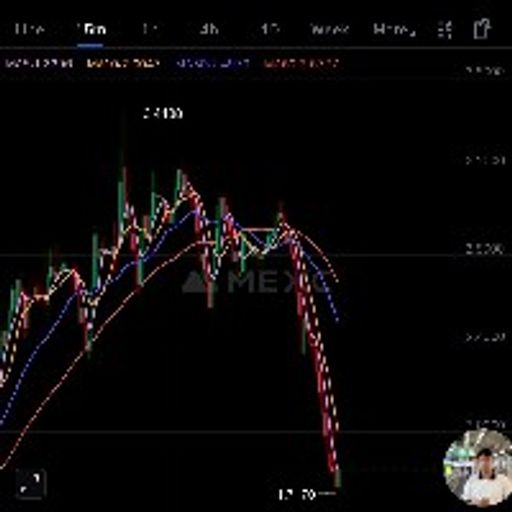

Political Uncertainty Triggers Coin Shaving Across Crypto Markets
The crypto sector experienced significant losses in early February as political tensions in Washington sent traders into defensive mode. A confluence of factors—including Democratic threats to block government funding and escalating tariff rhetoric—sparked a wave of position unwinding that reshaped market dynamics across major digital assets.
Market Turmoil: How Political Risk Drained $100 Billion
Political gridlock proved toxic for crypto sentiment. Democratic senators, led by Chuck Schumer, signaled their intent to block a government spending package over disagreements surrounding Department of Homeland Security funding, particularly regarding Immigration and Customs Enforcement operations. This institutional uncertainty triggered immediate sell-offs across the sector.
The numbers tell a stark story: crypto’s market capitalization contracted sharply as traders exited positions en masse. Bitcoin, the dominant cryptocurrency, faced selling pressure that pushed its price down amid the broader market stress. Ethereum and other altcoins proved even more vulnerable, with larger percentage declines reflecting their heightened sensitivity to risk-off sentiment.
Derivatives markets felt the impact acutely. Over $360 million worth of leveraged positions unwound within a 24-hour period, with $324 million in long exposure liquidated as leverage rapidly compressed. These cascade liquidations amplified downward price pressure, creating a self-reinforcing cycle of losses that characterizes periods of acute market stress.
Prediction Markets Reflect Growing Shutdown Fears
Sophisticated traders on platforms like Kalshi and Polymarket have priced in substantial tail risk. Odds of a US government shutdown materializing by month-end surged from single digits to approximately 80% within 48 hours—a dramatic repricing that underscores deepening concerns about legislative deadlock.
On Kalshi specifically, shutdown probabilities jumped from below 10% to nearly 79%, while Polymarket participants similarly reflected the elevated risk in their trading activity. Such synchronized movement across independent forecasting platforms suggests this represents genuine market consensus rather than isolated sentiment.
Geopolitical Headwinds Add to Investor Anxiety
Beyond fiscal cliff fears, multiple risk factors combined to destabilize markets. President Trump’s threats to impose 100% tariffs on Canadian imports should Beijing secure favorable trade terms created additional uncertainty. Simultaneously, US military posturing in the Middle East amid Iranian tensions introduced another unpredictable variable into an already fragile macro environment.
These layered geopolitical pressures created a perfect storm for risk-averse behavior, encouraging a flight to perceived safety and away from speculative assets like cryptocurrencies.
Historical Precedent: The 2024 Shutdown’s Crypto Toll
Investors need not look far back for a cautionary example. During the record 43-day government shutdown spanning October through November 2024, Bitcoin experienced a devastating correction from its then-all-time peak of $126,080 down below $100,000. While a portion of this decline stemmed from the October 10th crypto market crash triggered by tariff escalation fears, the prolonged political dysfunction clearly accelerated downward momentum.
Most tellingly, gold substantially outperformed Bitcoin throughout that period—a reversal of crypto’s historical narrative as a superior inflation hedge and risk asset. This shift revealed that during heightened geopolitical stress, traditional safe-haven assets reclaim their appeal among mainstream investors, a dynamic playing out once again in current conditions.
Market Psychology Hits Extreme Fear Territory
Sentiment indicators provide perhaps the starkest measure of the psychological damage. The Crypto Fear & Greed Index, which synthesizes Bitcoin and broader crypto market psychology, plummeted to 20 out of 100—firmly entrenched in “Extreme Fear” territory and marking six consecutive days stuck at depressed levels.
This extended period of extreme negativity reflects not momentary panic but sustained investor caution. Traders remain skeptical about the crypto sector’s near-term prospects, suggesting that coin shaving pressures may persist until political uncertainty resolves. The combination of risk-off sentiment and genuine asset reallocation toward defensive positions has redefined market structure, at least temporarily.
As Washington navigates its fiscal challenges, the crypto market watches closely—each headline shift in shutdown probabilities likely to trigger fresh bouts of volatility. For now, investors prioritize capital preservation over growth, with the broader digital asset class bearing the cost of political dysfunction and macro instability.