 :
:

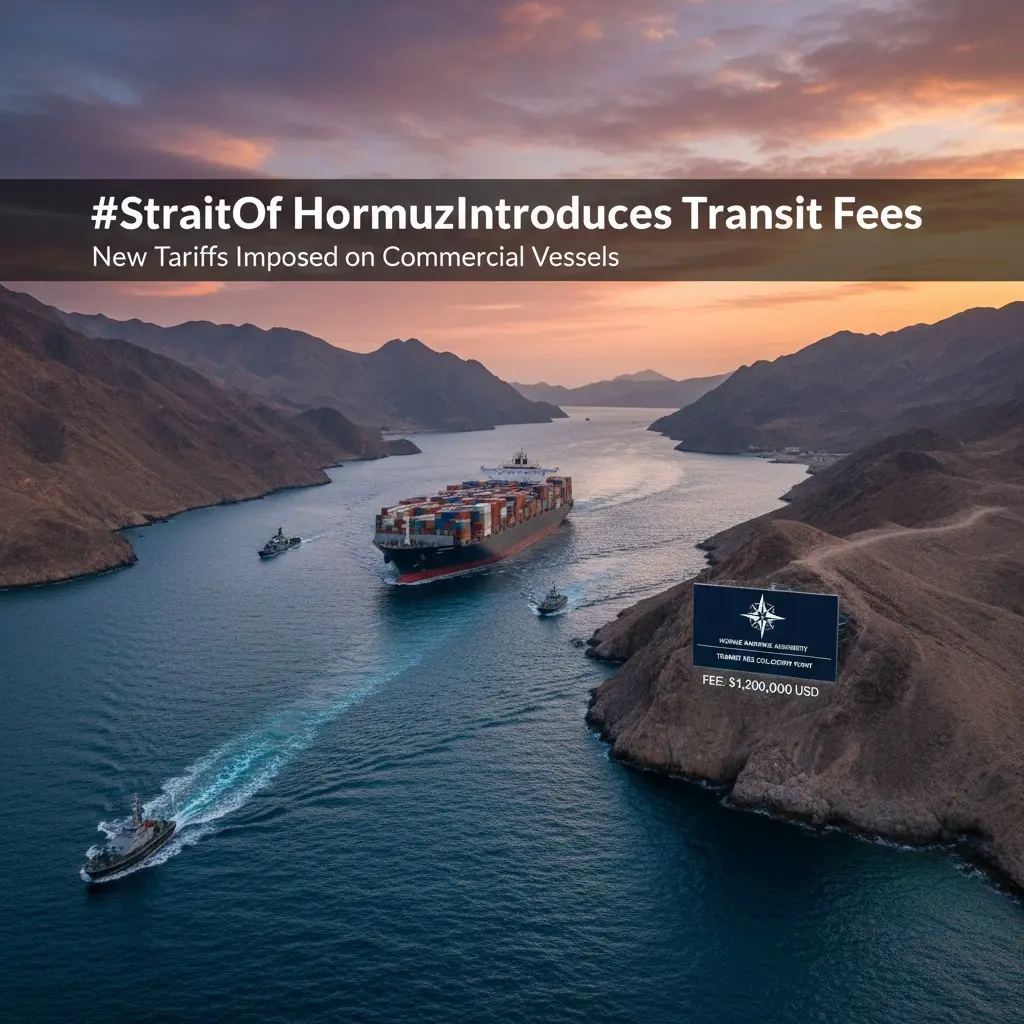
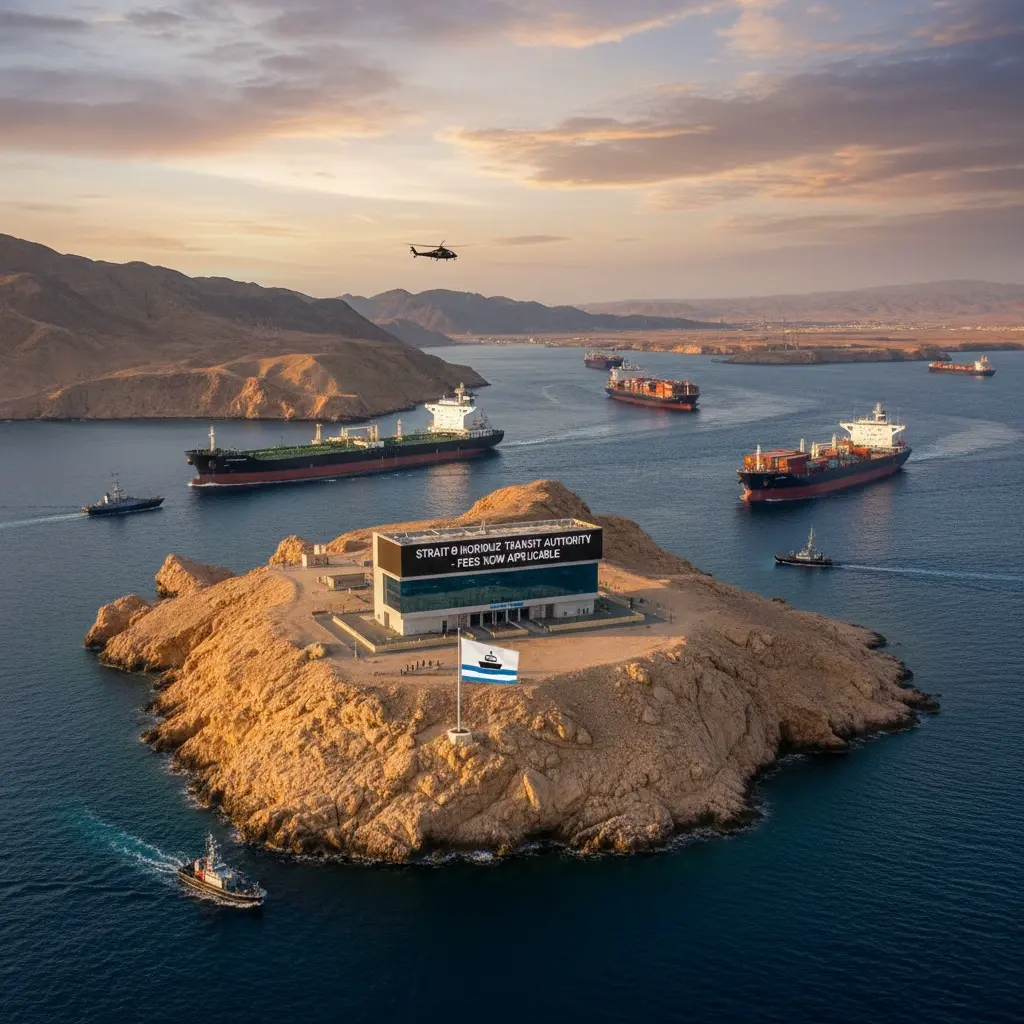




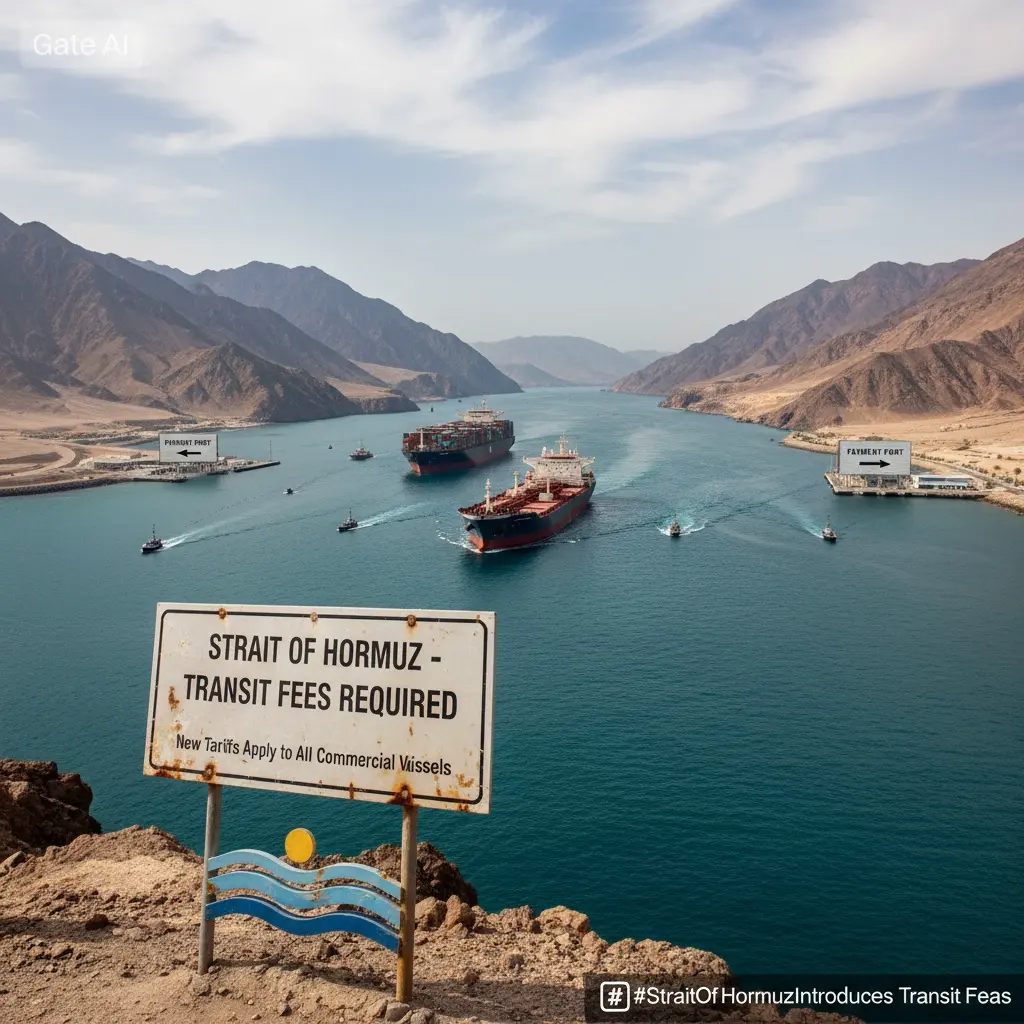
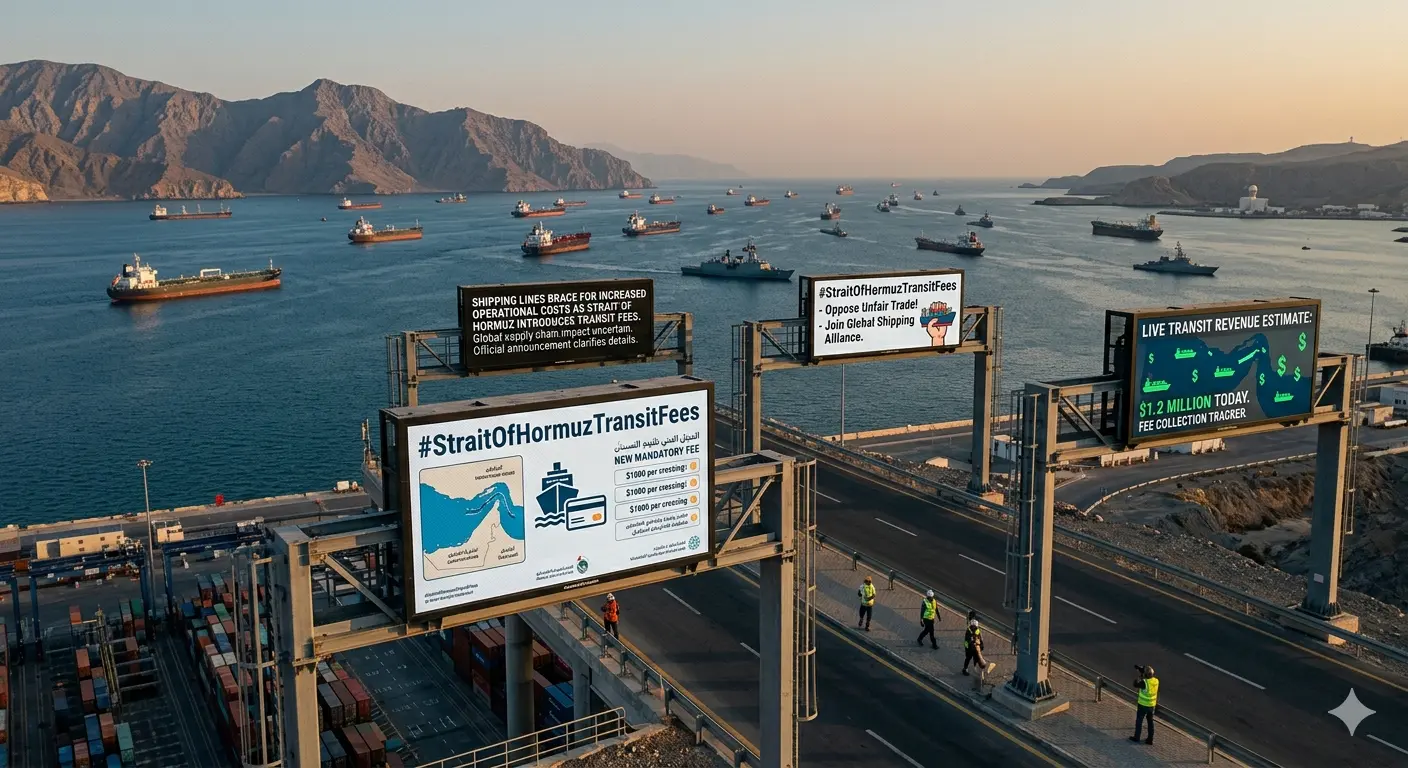
#StraitOfHormuzIntroducesTransitFees
🚨 A NEW ERA IN THE STRAIT OF HORMUZ:
💥IRAN INTRODUCES OFFICIAL TRANSIT FEES!
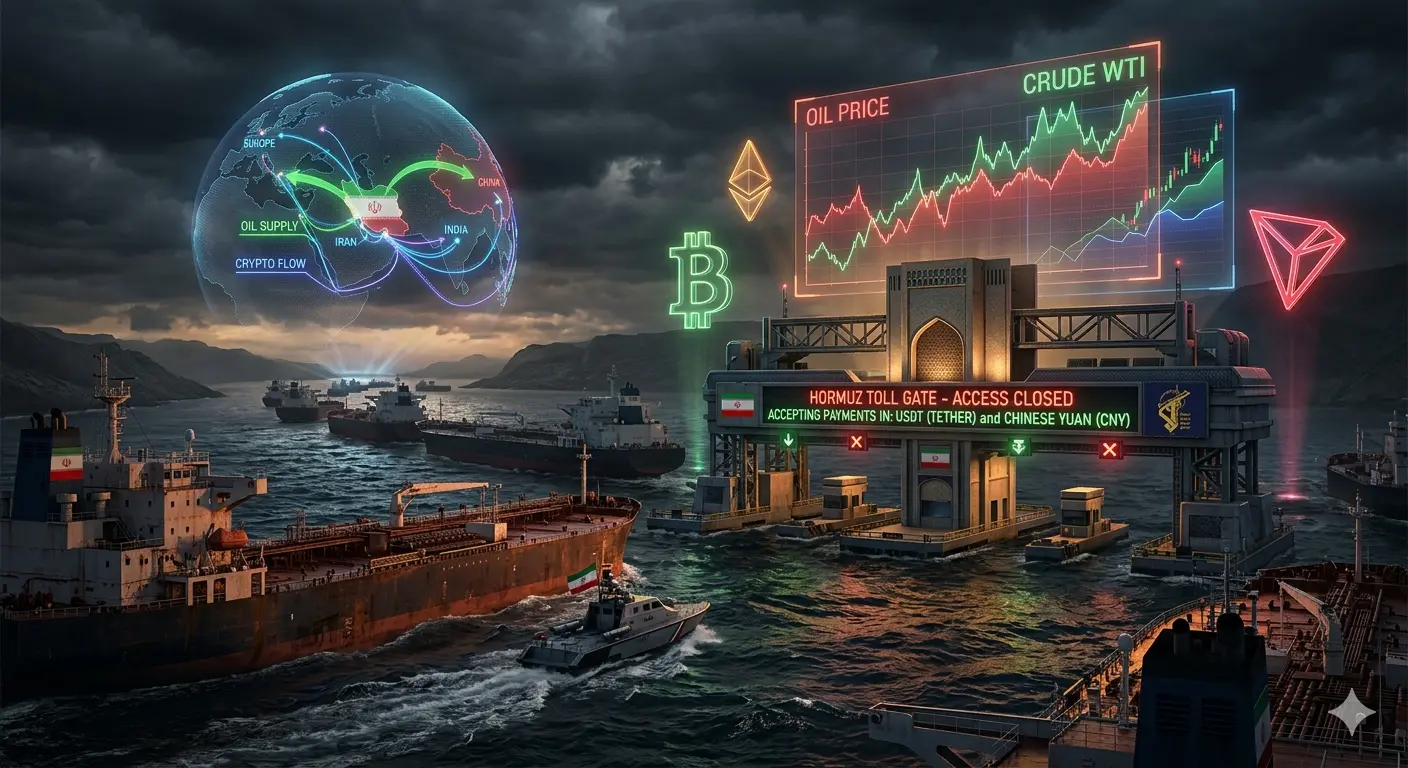
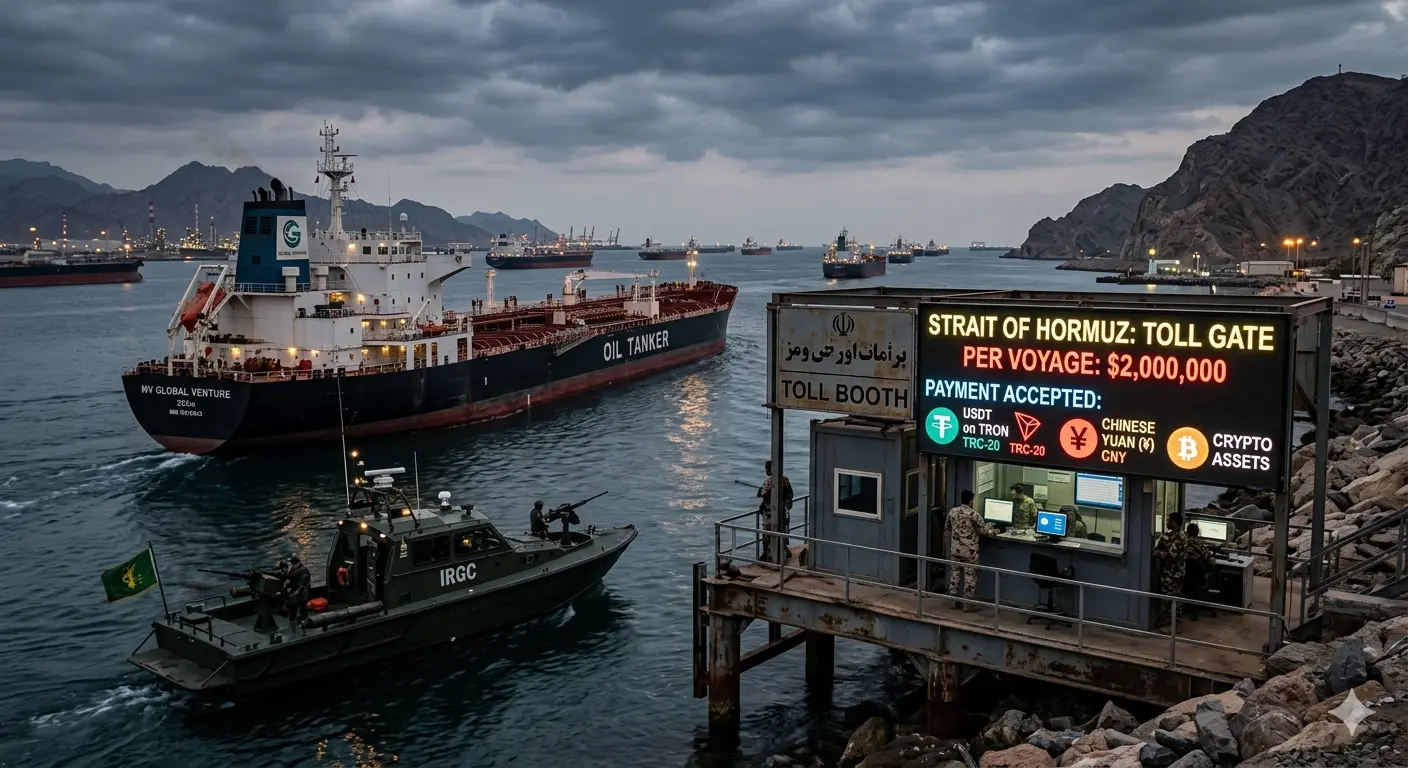
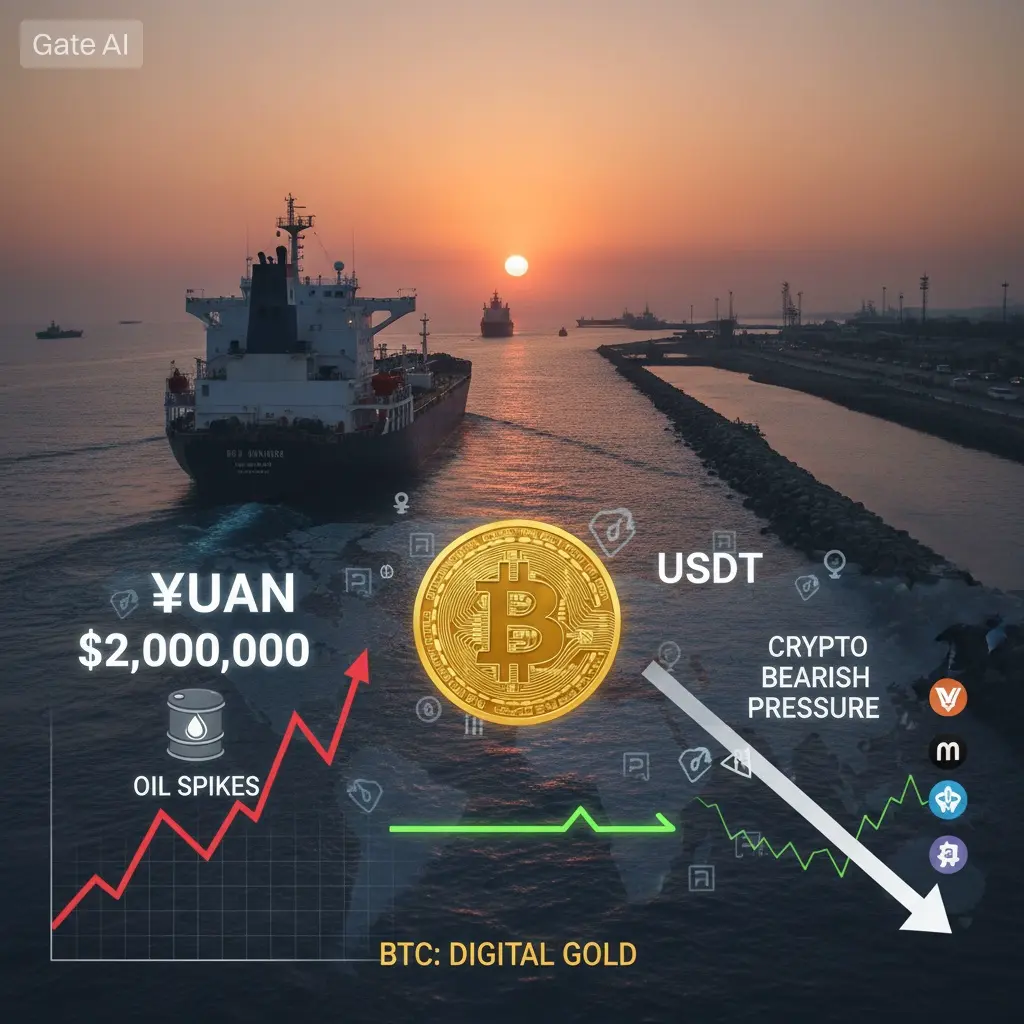
Iran has officially begun imposing transit fees (tolls) on ships passing through the Strait of Hormuz, the world's most critical energy transit point. According to Bloomberg and Iranian state media, starting in early March 2026, ad-hoc fees of up to $2 million per voyage for "safe passage" will be collected from some commercial vessels. Several ships have already made these payments.
Today (March 31, 2026), the Iranian Parliament's National Security and Foreign Policy Commission approved the "Strait of Hormuz Management Plan." The main points of the plan are:
- Transit fees in Iranian rials for all ships passing through the strait
- A complete ban on passage for ships from the US, Israel, and countries imposing unilateral sanctions on Iran
- Requirement for ships to obtain permission from the Iranian Ports and Maritime Organization
- Strengthening security, navigation safety, environmental protection, and Iran's right to "sovereignty, control, and supervision."
This move is the most concrete step in Iran's strategy to transform its de facto control over the strait into a legal and economic advantage. As lawmaker Alaeddin Boroujerdi stated: "After 47 years, we have established a new understanding of sovereignty in the strait."
Why is it critical?
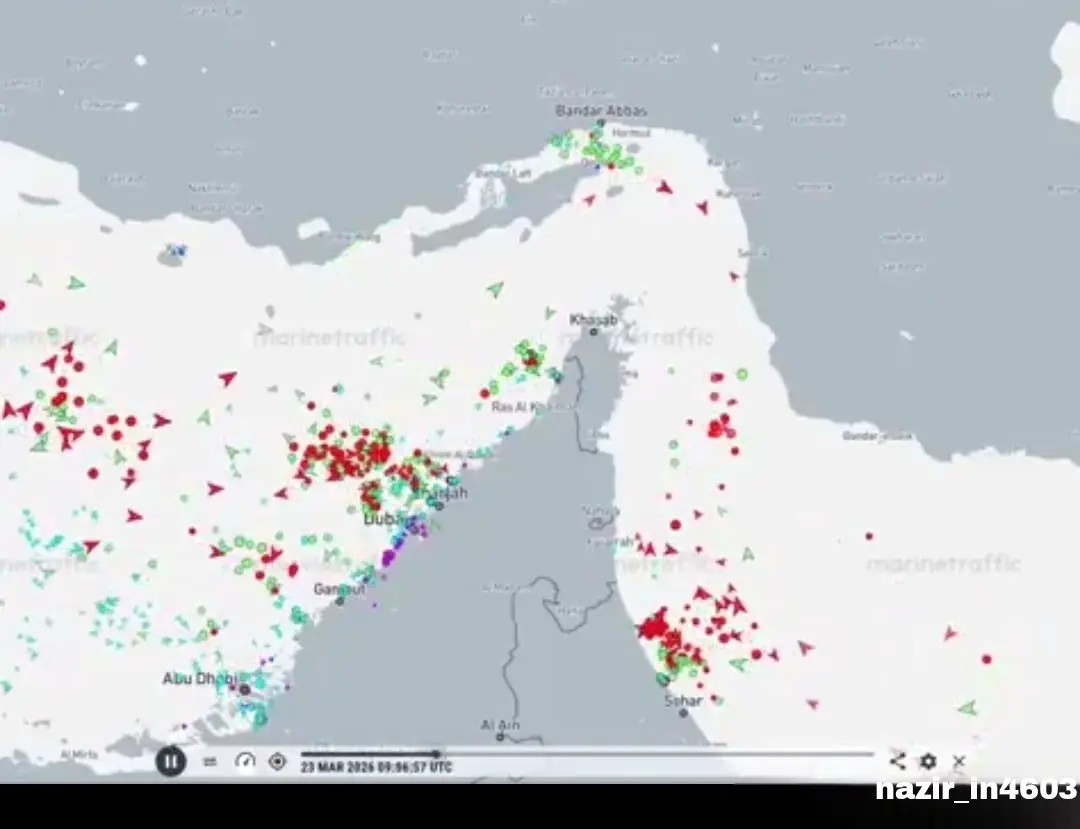
The Strait of Hormuz carries approximately 20-25% of global oil trade and a significant amount of LNG. In a regional conflict environment (US-Israel-Iran tensions), a slowdown in strait traffic and the introduction of tolls directly threaten the global energy supply.
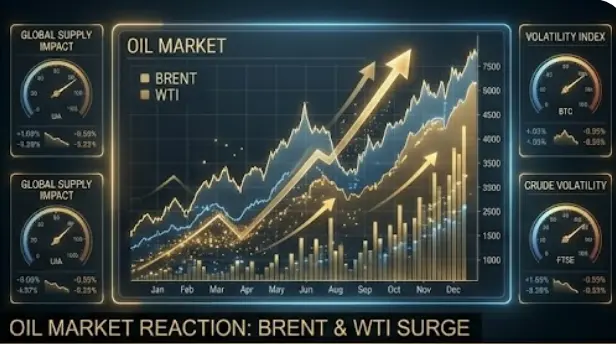
- Impact on the oil market: Previously, fears of closure caused Brent crude to surge to the $100-126 range. With the toll system, freight costs will increase, alternative routes (Cape of Good Hope) will become available, and energy importers (Europe, Asia, Turkey) will pay higher bills.
- Geopolitical risk: The US reacted by stating that it violated the principle of "free navigation." Legal disputes with the International Maritime Organization (IMO) seem inevitable.
- For Turkey and the region: A large portion of Turkey's energy imports pass through the Gulf. Increased costs and potential delays could trigger both fuel price increases and inflation.
This development is a message from Iran: "You will not use the strait for free." It both generates revenue and keeps a strategic advantage on the table. However, in the long term, it carries the risk of becoming a "toll booth" that will strain the global trade chain.
Experts state that if the fees become systematized, it could mean an additional cost of around $20 million per day.
🤔Do you think this fee system will be permanent, or will it be reversed under international pressure?
🤔Will it push oil prices to $120+?
🚨 A NEW ERA IN THE STRAIT OF HORMUZ:
💥IRAN INTRODUCES OFFICIAL TRANSIT FEES!
Iran has officially begun imposing transit fees (tolls) on ships passing through the Strait of Hormuz, the world's most critical energy transit point. According to Bloomberg and Iranian state media, starting in early March 2026, ad-hoc fees of up to $2 million per voyage for "safe passage" will be collected from some commercial vessels. Several ships have already made these payments.
Today (March 31, 2026), the Iranian Parliament's National Security and Foreign Policy Commission approved the "Strait of Hormuz Management Plan." The main points of the plan are:
- Transit fees in Iranian rials for all ships passing through the strait
- A complete ban on passage for ships from the US, Israel, and countries imposing unilateral sanctions on Iran
- Requirement for ships to obtain permission from the Iranian Ports and Maritime Organization
- Strengthening security, navigation safety, environmental protection, and Iran's right to "sovereignty, control, and supervision."
This move is the most concrete step in Iran's strategy to transform its de facto control over the strait into a legal and economic advantage. As lawmaker Alaeddin Boroujerdi stated: "After 47 years, we have established a new understanding of sovereignty in the strait."
Why is it critical?
The Strait of Hormuz carries approximately 20-25% of global oil trade and a significant amount of LNG. In a regional conflict environment (US-Israel-Iran tensions), a slowdown in strait traffic and the introduction of tolls directly threaten the global energy supply.
- Impact on the oil market: Previously, fears of closure caused Brent crude to surge to the $100-126 range. With the toll system, freight costs will increase, alternative routes (Cape of Good Hope) will become available, and energy importers (Europe, Asia, Turkey) will pay higher bills.
- Geopolitical risk: The US reacted by stating that it violated the principle of "free navigation." Legal disputes with the International Maritime Organization (IMO) seem inevitable.
- For Turkey and the region: A large portion of Turkey's energy imports pass through the Gulf. Increased costs and potential delays could trigger both fuel price increases and inflation.
This development is a message from Iran: "You will not use the strait for free." It both generates revenue and keeps a strategic advantage on the table. However, in the long term, it carries the risk of becoming a "toll booth" that will strain the global trade chain.
Experts state that if the fees become systematized, it could mean an additional cost of around $20 million per day.
🤔Do you think this fee system will be permanent, or will it be reversed under international pressure?
🤔Will it push oil prices to $120+?

 :
: