BlockRider

vip
Age 1 Yıl
Peak Tier 0
No content yet
#GateLaunchesGateforAI
#GateLaunchesGateforAI 🚀🤖
A New Era Where Artificial Intelligence Meets Web3
The launch of Gate for AI by Gate.io represents a major technological step that connects Artificial Intelligence with the cryptocurrency ecosystem. This initiative shows that the future of digital finance will not only depend on blockchain technology but also on AI-powered intelligence, automation, and data-driven decision systems.
Gate.io is moving beyond the role of a traditional exchange and building an ecosystem where AI developers, blockchain innovators, traders, and Web3 builders can wo
DEFI7,66%
HighAmbitionvip
#GateLaunchesGateforAI
#GateLaunchesGateforAI 🚀🤖
A New Era Where Artificial Intelligence Meets Web3
The launch of Gate for AI by Gate.io represents a major technological step that connects Artificial Intelligence with the cryptocurrency ecosystem. This initiative shows that the future of digital finance will not only depend on blockchain technology but also on AI-powered intelligence, automation, and data-driven decision systems.
Gate.io is moving beyond the role of a traditional exchange and building an ecosystem where AI developers, blockchain innovators, traders, and Web3 builders can work together to create smarter financial tools and decentralized applications.
What is Gate for AI?
Gate for AI is designed as an innovation hub where AI technology and blockchain infrastructure integrate to create intelligent crypto solutions.
This ecosystem may support:
• AI-powered trading tools
• Automated market analysis systems
• Intelligent DeFi strategies
• Autonomous AI agents interacting with blockchain networks
• Smart risk management tools for traders and institutions
By creating this infrastructure, Gate.io is opening the door for a smarter and more efficient crypto ecosystem.
Role of Gate for AI in the Crypto Market 💰
The integration of AI within the crypto industry can significantly influence how cryptocurrency markets operate, analyze data, and execute trading strategies. Gate for AI could play several important roles:
1. Smarter Market Analysis
AI systems can analyze massive amounts of market data, blockchain transactions, trading volumes, and global macro signals within seconds.
This means traders and institutions could gain faster insights and deeper market intelligence, improving decision-making across the crypto market.
2. AI-Powered Trading Strategies
Artificial Intelligence can help create automated trading systems capable of analyzing patterns, detecting trends, and executing trades based on data models.
Through Gate for AI, the market could see more advanced algorithmic trading tools, helping traders optimize strategies and manage risk more effectively.
3. Improved Liquidity and Market Efficiency
AI-driven analytics and automated systems can help improve liquidity distribution, order execution efficiency, and trading accuracy.
This may lead to:
• Faster trade execution
• More stable order books
• Better price discovery across markets
Such improvements strengthen the overall structure of the crypto market.
4. Intelligent DeFi Optimization
AI can also analyze DeFi protocols, liquidity pools, yield strategies, and smart contract performance.
Through AI integration, users may benefit from optimized yield strategies, improved capital efficiency, and automated portfolio management.
5. Development of Autonomous AI Agents
One of the most exciting possibilities is the emergence of autonomous AI agents operating within blockchain ecosystems.
These AI agents could:
• Monitor crypto markets in real time
• Execute trading strategies automatically
• Manage digital portfolios
• Analyze risk and volatility patterns
This could reshape the way people interact with financial markets.
Strengthening Gate.io’s Position as a Technology Leader
With the launch of Gate for AI, Gate.io demonstrates its commitment to innovation and technological leadership in the digital asset industry.
Instead of simply following trends, Gate.io is actively building the infrastructure for the next generation of financial technology, combining:
• Artificial Intelligence
• Blockchain networks
• Web3 development
• Digital asset trading ecosystems
This vision positions Gate.io as a forward-looking platform preparing for the future of intelligent finance.
The Future of AI-Driven Crypto Markets 🌐
The combination of Artificial Intelligence and blockchain technology could become one of the most powerful technological transformations of the next decade.
As AI becomes more advanced and decentralized ecosystems expand globally, platforms like Gate for AI may help create:
• Smarter trading environments
• Faster and more efficient markets
• AI-powered financial services
• Intelligent Web3 applications
✨ In simple words:
Gate for AI is not just a new feature — it represents the beginning of a future where Artificial Intelligence enhances the power of blockchain, creating smarter crypto markets and a more advanced digital financial ecosystem.
repost-content-media
  • Reward
  • Comment
  • Repost
  • Share
#CryptoMarketsDipSlightly
The cryptocurrency market has entered a phase of short-term retracement, with Bitcoin falling from $74,054 to $68,174, representing a ~8% correction from its recent high. While some may interpret this as bearish, a deeper look at the price structure, technical levels, and market behavior shows that this is likely a healthy consolidation rather than the start of a prolonged downtrend. Corrections of this magnitude are common after strong bullish moves, as traders take profits, reposition, and allow liquidity to rebuild at lower levels.
The price movement displays a V-
BTC-1,14%
HighAmbitionvip
#CryptoMarketsDipSlightly
The cryptocurrency market has entered a phase of short-term retracement, with Bitcoin falling from $74,054 to $68,174, representing a ~8% correction from its recent high. While some may interpret this as bearish, a deeper look at the price structure, technical levels, and market behavior shows that this is likely a healthy consolidation rather than the start of a prolonged downtrend. Corrections of this magnitude are common after strong bullish moves, as traders take profits, reposition, and allow liquidity to rebuild at lower levels.
The price movement displays a V-shaped pullback, a pattern often seen when the market corrects quickly but maintains an overall upward trajectory. In such patterns, the rapid drop is usually followed by strong buying pressure near key support zones, as traders and investors view dips as accumulation opportunities. The current support around $68,000–$68,500 has been tested multiple times over the past 24 hours, and the rebound attempts indicate that buyers are stepping in to defend this level. This is a key psychological and technical floor, and sustaining it will likely determine the next directional move for Bitcoin and the broader crypto market.
From a technical perspective, short-term indicators suggest a neutral-to-slightly-bullish setup. The RSI is near 45, indicating the market is approaching oversold conditions, which historically attracts buyers. MACD shows declining bullish momentum, but no bearish crossover has occurred yet, suggesting the market may pause before resuming its previous uptrend. Moving averages, particularly the 50-day and 200-day MA, remain upward-sloping, reinforcing the medium-term bullish trend.
Resistance levels at $71,500 and $74,000 will be important to watch, as clearing these zones convincingly would signal renewed bullish strength and the potential for new highs.
Market liquidity also plays a crucial role in this correction. Spot trading volumes increased during the dip, a sign that accumulation is occurring at lower prices. Futures markets saw minor liquidations of long positions, which accelerated the pullback temporarily. However, open interest has remained stable, suggesting traders are not panicking but positioning themselves for the next major move. This combination of volume and open interest indicates a healthy market structure where volatility is temporary and functional, rather than a sign of systemic weakness.
Macro factors have also influenced this short-term pullback. Global geopolitical uncertainties, along with speculation regarding Federal Reserve policy decisions, have added caution to risk-on assets. Traders are monitoring potential rate changes and liquidity adjustments closely, as hawkish signals could push crypto lower, while dovish cues may trigger rapid rebounds. Importantly, there is no fundamental negative news causing this dip; it is largely technical and sentiment-driven, reflecting natural market rhythms after extended upward movements.
From a sentiment and psychology standpoint, the market has shifted from greed (~70) to a neutral fear/greed level (~55–60), showing that traders are cautious and waiting for confirmation before entering new positions. Short-term traders may avoid buying until Bitcoin stabilizes above $70,000, while long-term holders see this correction as a prime accumulation opportunity. The psychological zones of $68,000 (support) and $74,000 (resistance) now define the market’s near-term battleground. The behavior of these zones will be critical in determining whether the market rebounds quickly or experiences a deeper retracement.
Considering probable market scenarios, three paths emerge:
Bullish Scenario: If support at $68,000 holds, Bitcoin may bounce to retest $71,500 and potentially reach $74,000 again. This would confirm the V-shaped recovery pattern and reinforce the medium-term uptrend. Buyers accumulating during this correction would likely push momentum higher, attracting both short-term and long-term traders.
Bearish Scenario: If Bitcoin breaks below $68,000, the next support around $66,500–$65,500 will be tested. Such a move could trigger panic selling, particularly in leveraged positions, leading to sharper drops across altcoins and further short-term volatility. Traders need to manage risk carefully in this scenario, as over-leveraging could amplify losses.
Neutral Scenario: Bitcoin may consolidate between $68,000 and $71,500, trading sideways as the market digests recent gains and waits for a new catalyst. This phase allows liquidity to rebuild and can create an ideal environment for accumulation before a potential breakout. Traders should expect intraday volatility but a stable overall structure.
Strategic takeaways for traders include focusing on risk-adjusted entries near support, avoiding excessive leverage, and monitoring macro and technical signals for the next directional cue. Partial profit-taking near resistance zones ensures capital protection, while accumulation during dips can position traders to benefit from the next upward move. Short-term volatility should not be confused with trend reversal; instead, it represents a natural market rhythm that allows smart traders to optimize positions.
The dip from $74,054 to $68,174 represents a natural market correction in an overall bullish structure. Support at $68,000 is critical for sustaining upward momentum, while resistance at $71,500–$74,000 will test the market’s strength in the near term. Market behavior, technical indicators, liquidity, and sentiment all point to a V-shaped rebound potential, though a breakdown below $68,000 could open the door to further short-term downside. Traders should monitor these zones closely, maintain disciplined risk management, and prepare for either a rebound or deeper consolidation, as the market is at a decision point that will define the next major directional move.
repost-content-media
  • Reward
  • Comment
  • Repost
  • Share
#GoldAndSilverMoveHigher
Gold and silver are currently trending higher as investors turn to precious metals amid global uncertainty. Gold is trading around $5,100–$5,160 per ounce, while silver is near $83–$85 per ounce, reflecting robust demand for safe-haven assets. In India, gold is quoted at ₹1.62 lakh per 10 grams and silver around ₹2.70–₹2.85 lakh per kilogram, indicating strong domestic and international interest.
Geopolitical Drivers
The primary catalyst behind this rally is geopolitical tension, particularly conflicts involving the U.S., Israel, and Iran, which have raised fears of r
HighAmbitionvip
#GoldAndSilverMoveHigher
Gold and silver are currently trending higher as investors turn to precious metals amid global uncertainty. Gold is trading around $5,100–$5,160 per ounce, while silver is near $83–$85 per ounce, reflecting robust demand for safe-haven assets. In India, gold is quoted at ₹1.62 lakh per 10 grams and silver around ₹2.70–₹2.85 lakh per kilogram, indicating strong domestic and international interest.
Geopolitical Drivers
The primary catalyst behind this rally is geopolitical tension, particularly conflicts involving the U.S., Israel, and Iran, which have raised fears of regional instability. The Strait of Hormuz, a key energy chokepoint, has become a flashpoint: any disruption in oil flows triggers heightened market uncertainty. Investors respond by allocating capital to gold and silver, considered safe stores of value during crisis periods. This flight-to-safety dynamic has consistently pushed prices higher whenever headlines suggest rising geopolitical risk.
Macro and Economic Factors
Macro forces amplify this trend. Global inflation concerns, weak economic data, and speculation around potential interest rate adjustments by central banks increase precious metals’ appeal. Gold’s non-yielding nature becomes attractive when real yields fall, while silver benefits from both safe-haven flows and robust industrial demand from electronics, solar energy, and emerging tech. Periodic U.S. dollar strength or hawkish central bank signals can cause short-term pullbacks, but the overall upward pressure remains intact.
Investor Psychology and Market Sentiment
Investor behavior reinforces the rally. In uncertain times, capital rotates from equities and risk assets into defensive instruments like gold and silver. This self-reinforcing loop—news-driven buying, algorithmic inflows, and long-term accumulation—fuels sharp upward price movements. Short-term profit-taking can create intraday volatility, but underlying sentiment remains bullish. The Fear & Greed Index, which recently shifted from high greed to neutral, illustrates cautious optimism and accumulation behavior.
Market Scenarios and Price Outlook
Bullish Scenario:
Gold: $5,200+
Silver: $87+
Trigger: Escalating geopolitical tensions, Hormuz Strait risk, increased safe-haven buying.
Neutral / Consolidation Scenario:
Gold: $5,050–$5,200
Silver: $82–$87
Trigger: Mixed macroeconomic signals, temporary stabilization in geopolitical risk.
Bearish / Volatility Trigger:
Gold: $5,000 or below
Silver: $82 or below
Trigger: Strong U.S. dollar, unexpected Fed policy shifts, or profit-taking.
Key Takeaways
Safe-haven appeal: Geopolitical risk and Hormuz tensions continue to drive demand.
Macro support: Inflation concerns and central bank policy uncertainty reinforce upward momentum.
Silver’s dual role: Industrial usage adds structural support alongside safe-haven flows.
Investor strategy: Look for buying opportunities near support levels; monitor geopolitical headlines and macro updates.
Summary
The upward movement in gold and silver represents a convergence of geopolitical risk, macroeconomic uncertainty, and investor psychology, rather than a random spike. Prices remain elevated, but short-term fluctuations are likely as markets digest news and adjust positions. $68,000+ in gold and $83+ in silver mark key support, while bullish breakout targets are $5,200+ for gold and $87+ for silver. Investors and traders should watch these levels carefully, balancing risk and opportunity, as precious metals continue to serve as a global hedge amid ongoing uncertainty.
repost-content-media
  • Reward
  • Comment
  • Repost
  • Share
#FebNonfarmPayrollsUnexpectedlyFall
The February 2026 Nonfarm Payrolls (NFP) report delivered a shock to global financial markets. Instead of modest growth, the U.S. economy lost approximately 92,000 jobs, sharply missing expectations of a +50k–+60k gain. The unemployment rate rose to 4.4%, above forecasts of 4.3%, while prior months were revised downward, signaling that labor market strength had been overstated in recent months. This rare contraction in U.S. employment triggered broad volatility across equities, fixed income, currencies, commodities, and cryptocurrencies, highlighting how se
BTC-1,14%
ETH-0,58%
HighAmbitionvip
#FebNonfarmPayrollsUnexpectedlyFall
The February 2026 Nonfarm Payrolls (NFP) report delivered a shock to global financial markets. Instead of modest growth, the U.S. economy lost approximately 92,000 jobs, sharply missing expectations of a +50k–+60k gain. The unemployment rate rose to 4.4%, above forecasts of 4.3%, while prior months were revised downward, signaling that labor market strength had been overstated in recent months. This rare contraction in U.S. employment triggered broad volatility across equities, fixed income, currencies, commodities, and cryptocurrencies, highlighting how sensitive markets are to unexpected labor data.
1) Sector-Wise Payroll Impact
The decline was not uniform across sectors. Healthcare lost around 28,000 jobs, largely due to strikes and temporary disruptions. Information and Technology saw continued layoffs and hiring freezes, while manufacturing, transportation, and government employment also contracted. Some gains were recorded in services and leisure, but these were insufficient to offset the overall losses. While temporary factors contributed, the broader trend points to slower hiring momentum, suggesting that the U.S. labor market is cooling.
2) Market Reaction — Price, Volume, Liquidity
Equities experienced sharp declines immediately after the report. Major indices such as the S&P 500, Dow Jones, and Nasdaq saw heavy selling, with trading volumes spiking as stop-loss orders triggered. Liquidity temporarily tightened before stabilization, and a sector rotation favored defensive industries like utilities and consumer staples, while cyclical and tech sectors underperformed. Treasury yields fell initially as growth expectations weakened, while bond futures volatility spiked. Liquidity remained robust, though bid-ask spreads widened briefly. In currencies, the USD initially weakened, while safe-haven currencies like JPY and CHF strengthened amid risk-off flows. Gold and silver rallied strongly on safe-haven demand, while crude oil and WTI were marginally affected, remaining influenced primarily by geopolitical factors. Cryptocurrencies, including Bitcoin and Ethereum, initially dropped due to heightened macro risk sentiment, with liquidity spiking as leveraged positions were unwound before normalizing.
3) Macro Implications
The report signals a potential economic slowdown, with weaker labor market conditions constraining consumer spending and investment. Wage growth remains elevated at ~3.8% YoY, sustaining inflationary pressure, while rising energy prices amplify cost-push risks. The Federal Reserve faces a delicate balance: weak employment data could justify rate cuts, but persistent inflation and wage growth may compel the Fed to delay easing. Futures markets now price in fewer and later rate cuts, likely moving toward the latter half of 2026. Investor psychology shifted decisively toward risk-off, with flows into gold, Treasuries, and the USD, while equities, cyclicals, and crypto experienced selling pressure. Volatility indices spiked, reflecting elevated market uncertainty.
4) Detailed Technical & Strategic Analysis
Key levels are critical for monitoring market reactions. Equities may find support near the S&P 500 at 4,150–4,180, Dow at 34,100–34,300, and Nasdaq around 12,900–13,000, with resistance at S&P 4,250, Dow 34,600, Nasdaq 13,200. Treasury yields reacted sharply downward, with the 10-year testing 3.85–3.90% support. Gold has support at $5,100–$5,150, resistance at $5,250–$5,300, while silver’s support lies at $82–$83, resistance at $87–$88. BTC shows support at $66k–$67k, resistance at $70k–$71k, and ETH support at $1,850–$1,880, resistance at $2,020–$2,050. Crypto remains highly sensitive to macro risk-off moves and U.S. economic surprises.
5) Broader Implications Across Markets
Equities faced sharp declines with elevated trading volumes, reflecting risk-off sentiment, and are likely to trade in a range sensitive to macro developments. Bonds and yields fell, with volatility spiking, though prices may stabilize as inflation data is digested. Gold and silver rallied strongly and are expected to maintain support as safe-haven assets. Crude oil and WTI remained elevated due to ongoing supply and geopolitical risks. Cryptocurrencies, including BTC and ETH, declined on risk-off sentiment but may rebound if market conditions stabilize. The USD and other safe-haven assets moved mixed, with JPY and CHF strengthening amid flight-to-safety flows.
6) Summary — Extended but Concise
In conclusion, U.S. jobs fell by ~92,000 in February, with unemployment rising to 4.4%. Risk-off sentiment triggered declines in equities, bond volatility, rallies in safe-haven assets, and drawdowns in cryptocurrencies. Labor market softening amid persistent wage-driven inflation complicates the Fed’s policy path. Investors should monitor support and resistance levels, sector rotations, and macro news for effective risk management. The February NFP weakness signals a potential economic slowdown, heightened uncertainty, and continued market volatility. Safe-haven and defensive positioning remain prudent, while risk assets, including crypto and equities, remain sensitive to labor market surprises and broader macro developments.
repost-content-media
  • Reward
  • Comment
  • Repost
  • Share
#USIranTensionsImpactMarkets
#GoldAndSilverMoveHigher
The ongoing US–Iran tensions have created a multi-asset ripple effect across global markets, influencing cryptocurrencies, precious metals, energy commodities, equities, and macroeconomic expectations. These developments are primarily driven by escalating geopolitical risk, particularly surrounding the Strait of Hormuz, which channels roughly 20% of global oil exports, raising concerns about energy supply disruptions and global inflationary pressures. Investors are actively reallocating capital across safe havens, risk assets, and industr
BTC-1,14%
ETH-0,58%
HighAmbitionvip
#USIranTensionsImpactMarkets
#GoldAndSilverMoveHigher
The ongoing US–Iran tensions have created a multi-asset ripple effect across global markets, influencing cryptocurrencies, precious metals, energy commodities, equities, and macroeconomic expectations. These developments are primarily driven by escalating geopolitical risk, particularly surrounding the Strait of Hormuz, which channels roughly 20% of global oil exports, raising concerns about energy supply disruptions and global inflationary pressures. Investors are actively reallocating capital across safe havens, risk assets, and industrial commodities, resulting in distinctive moves in each market segment.
1. Cryptocurrencies — Bitcoin (BTC) & Ethereum (ETH)
Current Prices:
BTC: ~$68,000–$68,500
ETH: ~$1,900–$2,000
Market Behavior:
Cryptocurrencies are reacting as risk assets. Bitcoin and Ethereum experienced short-term declines as traders liquidated leveraged positions and rotated into safe havens like gold and U.S. Treasuries. Volatility remains high, with BTC consolidating in the $66k–$71k range and ETH in the $1,850–$2,000 band. While some rebounds occur when headlines stabilize, crypto continues to be sensitive to risk sentiment, more than traditional safe-haven assets.
Outlook:
Bullish: BTC > $71k, ETH > $2,050 if macro risk recedes.
Neutral: BTC $66k–$68k, ETH $1,900–$2,000 during range-bound trading.
Bearish: BTC < $65k, ETH < $1,850 if tensions escalate or risk-off persists.
2. Precious Metals — Gold & Silver
Current Prices:
Gold: ~$5,150/oz
Silver: ~$84/oz
Market Behavior:
Gold and silver are benefiting from safe-haven demand. Geopolitical uncertainty, combined with inflation fears fueled by rising energy costs, has lifted gold above key support levels near $5,000. Silver shows stronger swings due to its dual role as both an industrial and a safe-haven asset.
Outlook:
Bullish: Gold $5,300–$5,500, Silver $87–$90 if tensions persist.
Neutral: Gold $5,050–$5,200, Silver $82–$87 during consolidation.
Bearish: Gold < $5,000, Silver < $82 in case of dollar strength or easing news.
3. Crude Oil & WTI — Energy Commodities
Current Prices:
WTI: ~$90.90/barrel
Brent: ~$93/barrel
Market Behavior:
Energy markets have surged sharply on fears of supply disruptions. The Strait of Hormuz is central: even temporary threats to tanker traffic or Iranian retaliation push WTI and Brent higher. Crude oil now trades at multi-year highs, reflecting the geopolitical risk premium and inflationary pressures transmitted through energy markets.
Outlook:
Bullish: WTI > $100, Brent > $105 if conflict escalates.
Neutral: WTI $88–$92, Brent $90–$94 during stabilization.
Bearish: WTI < $85, Brent < $90 if risk premiums ease.
4. Equities & Broader Risk Assets
Equity markets are in risk-off mode, with major indices like the S&P 500, Dow Jones, and Nasdaq retreating. Investors reduce exposure to cyclical and growth stocks while defensive sectors, energy, and bonds outperform. Rising oil prices contribute to inflation expectations, further pressuring equity valuations and central bank policy decisions.
Outlook:
Risk-off sentiment dominates while geopolitical risk remains elevated.
Defensive sectors benefit; cyclical, travel, and tech stocks underperform.
Key Drivers Across All Markets
Geopolitical Risk Premium: Supply disruptions, Iran-US tensions, Hormuz Strait.
Safe-Haven Rotation: Gold, silver, bonds, and USD benefit as risk assets face pressure.
Macro & Inflation: Rising energy costs affect inflation expectations and central bank outlooks.
Investor Psychology: Flight to safety, leverage reduction, and cautious positioning dominate trading behavior.
Crypto Sensitivity: BTC & ETH react more to risk sentiment than geopolitical safe-haven flows.
Summary & Strategic Insight
Crypto: BTC ~$68k, ETH ~$1.9–2k; sensitive to risk-off sentiment.
Gold & Silver: Gold ~$5,150, Silver ~$84; strong safe-haven demand likely to sustain rally.
Crude Oil & WTI: WTI ~$90.9, Brent ~$93; energy markets remain highly reactive to supply risk.
Equities: Risk-off dominates; defensive sectors outperform.
Overall: US-Iran tensions are reshaping global markets, creating opportunities in safe havens and energy commodities while testing risk assets like crypto and equities. Traders and investors should monitor key price levels (support/resistance), follow geopolitical developments, and consider safe-haven allocations alongside inflation-hedging strategies.
repost-content-media
  • Reward
  • Comment
  • Repost
  • Share
#OilPricesSurge
1. What Has Happened
Global crude oil prices have risen sharply in recent weeks. Both of the major price benchmarks — WTI (West Texas Intermediate) and Brent crude — have climbed to levels not seen in over a year. WTI recently traded around $85–$90 per barrel, and Brent crude has been in a similar range.
This is a significant increase compared to recent months and reflects one of the strongest rallies in oil markets in a long time.
2. Why Oil Prices Are Rising
There are several key reasons driving this surge in oil prices:
A. Geopolitical Tensions in the Middle East
A major fa
HighAmbitionvip
#OilPricesSurge
1. What Has Happened
Global crude oil prices have risen sharply in recent weeks. Both of the major price benchmarks — WTI (West Texas Intermediate) and Brent crude — have climbed to levels not seen in over a year. WTI recently traded around $85–$90 per barrel, and Brent crude has been in a similar range.
This is a significant increase compared to recent months and reflects one of the strongest rallies in oil markets in a long time.
2. Why Oil Prices Are Rising
There are several key reasons driving this surge in oil prices:
A. Geopolitical Tensions in the Middle East
A major factor has been escalating conflict and military tension involving Iran and other regional powers. Even the possibility of disruptions to oil production or shipping routes creates fear in energy markets. Traders and market participants bid prices higher when they expect future supply risk.
B. Strait of Hormuz Pressure
The Strait of Hormuz is one of the world’s most important oil shipping passages. A large share of global oil exports passes through this narrow waterway each day. Any threat to the safety or accessibility of this route — such as military activity or attacks on vessels — immediately impacts global supply expectations, pushing prices higher.
C. Risk Premium in Markets
Oil prices are not just determined by current supply and demand; they also reflect a risk premium. That means prices include an extra cost because traders fear possible disruptions. When geopolitical tensions increase, this risk premium rises sharply, causing price spikes even if physical supply has not yet changed.
D. Higher Shipping and Insurance Costs
As conflict risk increases, shipping companies charge much more to insure and transport oil through risky areas. These added costs are passed on to buyers and reflected in oil prices.
3. How Much Prices Have Risen
The recent movements show that:
WTI crude oil has been trading around $85–$90+ per barrel.
Brent crude oil has been trading in a similar high range.
These levels are significant when compared to the range of the past year, and such rapid increases are uncommon in normal market conditions.
4. How High Prices Could Go
Analysts and industry experts discuss several possible future paths:
Bullish Scenario (Higher Prices)
If geopolitical tensions continue or escalate further, and if major oil shipping routes remain at risk, prices could surpass $100 per barrel and possibly move significantly higher. In extreme or prolonged conflict scenarios, some forecasts have even suggested prices could reach above $120–$150 per barrel.
Moderate Scenario (Stabilization)
If tensions ease and global producers reassure markets about stable supply flows, oil prices might stabilize around current high levels and possibly correct downward. They may remain elevated, but without sharp upward moves.
Downside Scenario (Correction)
If diplomatic solutions reduce the geopolitical risk premium and markets regain confidence in uninterrupted supply, prices could retreat toward more typical levels seen earlier in the year.
5. Broader Economic Impact
Rising crude oil prices have several important effects on the global economy:
Fuel Costs Increase
Higher oil prices typically lead to higher prices for gasoline, diesel, and other fuels. This affects transportation costs and household budgets.
Inflation Pressure
Because oil is a core input for many industries — including transportation, manufacturing, and agriculture — rising crude prices tend to contribute to broader inflation. This can cause higher prices for goods and services.
Impact on Trade and Currencies
Countries that rely heavily on oil imports may see larger trade deficits and pressure on their currencies when oil prices rise. Conversely, oil‑exporting countries may benefit from higher export revenues.
Market and Investment Effects
Financial markets and stock indexes often react to energy price volatility. Higher oil prices can create uncertainty, influence investor sentiment, and affect global economic growth expectations.
Oil prices have surged significantly due to geopolitical tensions and risk of supply disruption, especially around critical shipping routes like the Strait of Hormuz.
Markets have priced in a risk premium, meaning traders are paying more because they fear future shortages.
Prices are currently elevated, and there is potential for further increases if tensions continue.
This price movement affects fuel costs, inflation, global trade, and economic growth around the world.
repost-content-media
  • Reward
  • Comment
  • Repost
  • Share
#GateBlueLobster
“Only smart lobsters turn blue”
This metaphor highlights the advantage of using intelligent tools and strategies in crypto trading. Just like a lobster turning blue is rare and remarkable, traders who leverage advanced AI-driven solutions differentiate themselves from average market participants. It implies that success in crypto trading increasingly depends on adopting smart, data-driven approaches rather than purely reactive methods.
“Use Gate for AI MCP to let your AI Agent read information, analyze the market, and execute trades”
Gate.io’s AI Market Copying Platform (AI M
GT0,43%
HighAmbitionvip
#GateBlueLobster
“Only smart lobsters turn blue”
This metaphor highlights the advantage of using intelligent tools and strategies in crypto trading. Just like a lobster turning blue is rare and remarkable, traders who leverage advanced AI-driven solutions differentiate themselves from average market participants. It implies that success in crypto trading increasingly depends on adopting smart, data-driven approaches rather than purely reactive methods.
“Use Gate for AI MCP to let your AI Agent read information, analyze the market, and execute trades”
Gate.io’s AI Market Copying Platform (AI MCP) empowers users to deploy autonomous AI agents capable of performing end-to-end trading operations. The AI can:
Read & interpret market data: Continuously monitor real-time price movements, volume, order books, and technical indicators across multiple crypto pairs.
Analyze patterns & signals: Identify trends, potential breakouts, reversals, or arbitrage opportunities using AI-driven algorithms.
Execute trades automatically: Perform buy/sell operations precisely according to predefined strategies, reducing human error and emotional decision-making.
This system is especially valuable in fast-moving markets where timing is critical, allowing traders to gain a competitive edge without constant manual monitoring.
“🦞 Red → Blue”
This represents transformation and evolution in trading capability. The red lobster symbolizes ordinary traders relying on manual or less-informed decisions. Turning blue symbolizes adopting AI-driven intelligence, becoming more strategic, and improving potential profitability. It’s a visual cue of growth, sophistication, and superior performance in trading behavior.
“🏆 Share a 3,000 GT prize pool”
Beyond trading, Gate.io incentivizes participation through rewards. A 3,000 GT prize pool encourages engagement and adoption of AI tools by offering tangible crypto rewards. This promotes:
Community involvement: Users are motivated to try AI MCP and share results.
Skill development: Participation encourages learning to optimize AI trading strategies.
Competitive edge: Top-performing “blue lobsters” are recognized, creating healthy competition and benchmarking success against peers.
Link: https://www.gate.com/announcements/article/50096
Direct access to the official announcement ensures users can explore detailed instructions, terms, and participation requirements. Transparency reinforces trust and encourages broader adoption of the AI MCP ecosystem.
Summary Insight:
#GateBlueLobster represents a symbolic and practical integration of AI into crypto trading. It combines education, automation, rewards, and recognition in a single initiative. Traders who embrace AI MCP can transform their approach from reactive (red) to intelligent, data-driven, and efficient (blue), maximizing both their learning and profit potential.
repost-content-media
  • Reward
  • Comment
  • Repost
  • Share
#CryptoSurvivalGuide
#CryptoSurvivalGuide — How to Survive in the Bitcoin Market
The cryptocurrency market is highly volatile, and Bitcoin (BTC) often leads the direction of the entire crypto ecosystem. To survive in this market, traders and investors must understand Bitcoin price behavior, market cycles, risk management, and investor psychology. Survival is not about making quick profits; it is about protecting capital and staying in the market long enough to benefit from long-term growth.
Currently, Bitcoin is trading around the $67K–$68K range, which represents an important consolidation z
BTC-1,14%
ETH-0,58%
HighAmbitionvip
#CryptoSurvivalGuide
#CryptoSurvivalGuide — How to Survive in the Bitcoin Market
The cryptocurrency market is highly volatile, and Bitcoin (BTC) often leads the direction of the entire crypto ecosystem. To survive in this market, traders and investors must understand Bitcoin price behavior, market cycles, risk management, and investor psychology. Survival is not about making quick profits; it is about protecting capital and staying in the market long enough to benefit from long-term growth.
Currently, Bitcoin is trading around the $67K–$68K range, which represents an important consolidation zone after recent volatility. This level shows that the market is balancing between buyers who believe the price can rise further and sellers who are securing profits.
Understanding Bitcoin’s Current Market Structure
Bitcoin’s price movements typically occur in phases of expansion and consolidation. After a strong upward movement toward the $72K area, the market experienced selling pressure and returned to the $67K–$69K range.
Important levels shaping the current market structure include:
Resistance Zone
$72K – $73K
This is the area where Bitcoin recently faced strong selling pressure. A breakout above this region could trigger a new bullish momentum.
Current Consolidation Zone
$67K – $69K
The market is currently stabilizing here while traders analyze macroeconomic signals and liquidity conditions.
Key Support Level
$65K – $66K
If the market experiences another correction, this zone may act as a strong demand area where buyers step in.
Major Psychological Support
$60K
This level is historically important because many long-term investors accumulate Bitcoin during deeper market corrections.
If Bitcoin breaks above the $72K resistance zone with strong volume, the next potential targets could be:
$75K
$78K
$80K
The Importance of Risk Management
One of the most important survival rules in crypto is risk management. Because Bitcoin can move thousands of dollars within hours, traders must limit their exposure.
Professional traders often follow these rules:
risk only 1–2% of total capital per trade
always set stop-loss levels
avoid excessive leverage
diversify investment portfolios
The goal is not to win every trade but to avoid large losses that could remove you from the market.
Understanding Bitcoin Market Cycles
Bitcoin markets follow repeating cycles driven by liquidity and investor sentiment.
Accumulation Phase
Large investors begin buying when prices stabilize after major corrections.
Bull Market Phase
Prices rise rapidly as retail investors enter the market and media attention increases.
Distribution Phase
Early investors begin taking profits while late investors continue buying.
Correction Phase
Prices decline as liquidity exits the market and speculation decreases.
Recognizing these phases helps investors avoid buying at market tops and panic selling during temporary dips.
Whale Activity and Market Influence
Bitcoin markets are heavily influenced by large investors known as whales. Because of the size of their holdings, their transactions can move the market.
Important whale indicators include:
large BTC transfers to exchanges (possible selling pressure)
large withdrawals from exchanges (long-term holding behavior)
spikes in derivatives market leverage
sudden increases in trading volume
Monitoring these signals helps traders anticipate potential market volatility.
Market Psychology: Fear and Greed
Psychology plays a critical role in Bitcoin trading. Most traders lose money not because of poor analysis, but because emotions influence their decisions.
Common mistakes include:
FOMO (Fear of Missing Out)
Buying Bitcoin after a large price surge.
Panic Selling
Selling during market dips due to fear.
Successful traders maintain discipline and follow a structured strategy rather than reacting emotionally to price movements.
Macro Factors Influencing Bitcoin
Bitcoin is increasingly influenced by global macroeconomic developments.
Key drivers include:
central bank interest rate policies
inflation trends
geopolitical tensions
institutional adoption of crypto
regulatory developments
During periods of economic uncertainty, Bitcoin is often viewed as a digital store of value, which can increase demand.
Long-Term Bitcoin Survival Strategy
Many experienced investors follow a long-term strategy known as HODLing, which means holding Bitcoin through multiple market cycles.
A balanced crypto strategy might include:
Bitcoin as the core asset
Ethereum as infrastructure exposure
smaller allocations to promising altcoins
This approach allows investors to benefit from the overall growth of the crypto ecosystem while reducing risk.
Final Perspective
Surviving in the Bitcoin market requires patience, discipline, and a clear understanding of market dynamics. Bitcoin’s current position around $68K reflects a market that is consolidating while waiting for new catalysts.
Investors who focus on risk management, market structure, liquidity analysis, and emotional control are far more likely to succeed in the long term.
In the world of cryptocurrency, the true winners are not those who chase short-term profits, but those who build sustainable strategies and remain patient during volatility. 🚀
repost-content-media
  • Reward
  • Comment
  • Repost
  • Share
#CryptoMarketBouncesBack
🚨 Gate Square 1. Overall Market Trend & Macro Context
The crypto market is experiencing a powerful, broad-based rally, erasing most of the recent fear-induced drawdowns. The total market cap now hovers around $2.46T–$2.53T, up 5–7% in the past 24 hours, while 24h trading volume has exploded to $150–$160B (+30–37%).
Macro Drivers:
Institutional flows: Spot BTC and ETH ETFs are resuming inflows (hundreds of millions daily), signaling structural demand.
Whale activity: Large holders (100–10k+ BTC) continue accumulation; long-term holder supply rising.
Technical breakout
BTC-1,14%
ETH-0,58%
SOL-1,88%
AVAX-1,06%
HighAmbitionvip
#CryptoMarketBouncesBack
🚨 Gate Square 1. Overall Market Trend & Macro Context
The crypto market is experiencing a powerful, broad-based rally, erasing most of the recent fear-induced drawdowns. The total market cap now hovers around $2.46T–$2.53T, up 5–7% in the past 24 hours, while 24h trading volume has exploded to $150–$160B (+30–37%).
Macro Drivers:
Institutional flows: Spot BTC and ETH ETFs are resuming inflows (hundreds of millions daily), signaling structural demand.
Whale activity: Large holders (100–10k+ BTC) continue accumulation; long-term holder supply rising.
Technical breakout: Weak hands and leveraged shorts flushed, momentum accelerating.
Macro tailwinds: DXY softening, equities stable, gold steady, soft-landing narrative intact.
Geopolitical relief: Less tension in global hotspots → improved risk appetite.
Sentiment Shifts:
Crypto Fear & Greed Index jumped from extreme fear (~19–22) to neutral/greed (~45–55).
Social chatter on X, Telegram, and Gate Square dominated by “buy-the-dip reversal,” “BTC breakout,” and “ETH reclaiming $2,100.”
Altcoins rotation increasing; mid- and small-cap tokens seeing inflows → healthy broad participation.
2. Bitcoin (BTC) – Full Technical + On-Chain + Flow Analysis
Live Price: ~$72,745–$73,700 (+6.5–7.5% 24h)
Immediate Resistance: $73,500–$74,000 (previous swing highs + Fibonacci 0.618–0.786)
Support: $71,500–$71,000 (high-volume node + EMAs 50/100h)
Macro Floor: $69,800–$70,000 (200-day EMA + weekly pivot)
Bear Trap Zone: $67,500–$68,000 → accumulation likely
Technical Indicators:
RSI (14, 4H/Daily): 68–72 → bullish momentum but near overbought → short-term 2–4% pullback possible
MACD: Strong bullish cross, histogram expanding → momentum continuation
Bollinger Bands: Price hugging upper band, volatility expansion → breakout continuation
Volume Profile: Heavy buy clusters $70k–$72k support floor
On-Chain & Flow Insights:
Whales adding aggressively, LTH supply increasing
Exchange outflows negative, coins moving to cold storage
Spot BTC ETF inflows: multi-hundred-million daily → structural accumulation
Funding rates: Positive but not extreme → short squeeze potential remains
Observation: BTC printed a fresh higher high above $72k, showing strong short-term bullish trend, but momentum needs confirmation via daily higher lows.
3. Ethereum (ETH) – Technical + Fundamental Analysis
Live Price: ~$2,124 (+7–8% 24h)
Resistance: $2,175–$2,200 (prior supply + Fib extension)
Immediate Support: $2,080–$2,050
Stronger Floor: $1,980–$2,000
Technical:
RSI (14, 4H): 65–70 → bullish, more room than BTC
MACD: Bullish crossover confirmed, building momentum
ETH/BTC ratio: ~0.029–0.0295 → ETH may outperform if BTC consolidates
Fundamentals Driving ETH:
L2 TVL & daily active users rebounding
DeFi activity increasing, staking participation high, validator count stable
Spot ETH ETF inflows positive (+$30–50M net/day)
BTC → ETH profit rotation visible in perp volume spikes
4. Altcoins & Sector Rotation
Layer-1s: SOL +8–10% ($80–$85 holding, breakout to $95–$100 possible), AVAX +7–9%, NEAR +7%
Exchange tokens: BNB +7–9% ($600+)
DeFi/L2: MATIC, ARB, OP +10–20%
Memes/high-beta: Intraday 20–50% swings
Observation: Capital is rotating from BTC/ETH profits → altcoins, confirming healthy risk-on sentiment. Mid-cap projects with utility are seeing outsized inflows. BTC dominance softening below 59% → altseason acceleration possible.
5. Trend Confirmation Checklist
To confirm new bullish trend:
Multiple higher highs/lows daily & weekly across BTC, ETH, major alts
Sustained volume >$130–150B for 4–7 days
BTC dominance softening as altcoins catch up
No macro/regulatory black swans (FOMC surprises, SEC, geopolitical flare)
Potential Price Path:
BTC: $75k–$78k
ETH: $2,300+
6. Positioning & Risk Management Strategy
Scalpers (1–4h): Ride intraday swings, tight stops 0.5–1% below support, target 1–3% moves, R:R ≥1:2.5
Swing / Mid-term (daily–weekly): Core longs above $71k/$2.05k, scale-in on dips, trail with 4H EMA
Risk Rules: ≤2–5% per position, leverage ≤10–15x, partial profit-taking 30–50%, cash buffer 20–30%
7. Tomorrow & Weekend Outlook
Bull Case (~65–70%): Hold $72.5k+ BTC / $2.1k+ ETH → grind to $74k / $2.2k with ETF inflows continuing
Pullback Case (~30%): Healthy 3–6% shakeout to test support → aggressive buy zone if volume strong
Bear Trap Case (low probability): Fakeout below $71k → rapid reversal squeeze higher
Key Watch: ETF flows, US macro leaks, altcoin volume rotation, sentiment spikes
8. Community Discussion & Strategy Playbook
Are you scaling in or trimming profits here?
Top 3–5 alt picks for next 15–40% leg?
Overnight risk: spot hold, hedged perps, or de-risking?
BTC target by end-March / Q2?
Share TA screenshots, on-chain analysis, and macro notes
Reminder: Collective community alpha is critical in volatile markets; top threads will be reposted for crowd visibility.
repost-content-media
  • Reward
  • Comment
  • Repost
  • Share
#DeepCreationCamp
Bitcoin climbs over $73,000 and touches one-month high on resilience to Iran conflict
Bitcoin and crypto stocks surge amid relief rally for risky assets
.
🧠 1) The Broad Story: October 2025 Peak to Today (March 2026)
Back in October 2025, Bitcoin rallied to a peak near ~$125,000–$126,000 — a spectacular cycle top that many traders saw as confirmation of the post‑halving bull phase. That rally was fueled by strong demand from retail traders, massive speculative positioning, and institutional participation through spot ETF inflows and long positions on derivatives.
However, a
BTC-1,14%
HighAmbitionvip
#DeepCreationCamp
Bitcoin climbs over $73,000 and touches one-month high on resilience to Iran conflict
Bitcoin and crypto stocks surge amid relief rally for risky assets
.
🧠 1) The Broad Story: October 2025 Peak to Today (March 2026)
Back in October 2025, Bitcoin rallied to a peak near ~$125,000–$126,000 — a spectacular cycle top that many traders saw as confirmation of the post‑halving bull phase. That rally was fueled by strong demand from retail traders, massive speculative positioning, and institutional participation through spot ETF inflows and long positions on derivatives.
However, after that peak:
Bitcoin couldn’t sustain above those highs and struggled near $120k and then $100k as profit‑taking intensified.
As the months progressed, traders became hesitant — with BTC breaking important support zones and traders starting to question the bullish narrative.
From October through February, BTC saw continued selling pressure resulting in a multi‑month drawdown of more than -50% from peak levels. Traders have described this as a structural correction, not just a short pullback.
In late February and early March 2026, after trading as low as ~$60k and languishing for months:
✔ Bitcoin has managed to rebound into the $68k–$73k zone — breaking above short‑term resistance.
✔ This rebound is not purely technical; it reflects active buying from institutional sources (spot ETFs) and large holders (whales).
🧠 2) Current Price Action, Patterns & Trader Psychology
Bitcoin’s recent moves look like a classic post‑peak consolidation with rebound attempts rather than a straight recovery — and traders interpret this in several ways:
🧩 A) Bear Flag / Consolidation Pattern (Dominant Narrative)
Many technical analysts see BTC having formed a bearish continuation structure often called a bear flag — a sideways consolidation after a sharp move down. In simple terms:
🔹 Price moves down strongly
🔹 Price consolidates sideways
🔹 Then — potentially — continuation of the down move if key support breaks
The zone between $62,000 and $70,000 has become the definitive battleground. Traders say:
Above $70k: bullish bounce zone
Below $62k: danger zone for deeper correction
Between them: consolidation territory where sellers and short‑term buyers battle for control
The structure shows selling exhaustion versus accumulation tension — but until a breakout or breakdown is confirmed, the market remains range‑bouound
🧠 B) Trader Sentiment — Fear, Greed & Positioning
The market is currently dominated by fear and uncertainty:
📉 The Fear & Greed Index stands near extreme fear levels, which historically signals potential near‑term lows before rallies — but not guaranteed reversals.
📉 Prediction markets show a high probability (80%+) of BTC staying under $75,000 for much of 2026 unless key catalysts emerge.
Sentiment interpretation:
Retail traders: cautious, waiting for clarity.
Institutional players: accumulating at current levels, seeing value.
Derivatives traders: mixed — some short‑term short positions, some waiting for breakout trades.
Large accumulation by whales and ETFs suggests smart money sees value near current levels.
🧠 C) Correlation with Other Markets
One major shift in 2026 is how Bitcoin behaves relative to traditional markets:
BTC’s correlation with the S&P 500 has strengthened, meaning Bitcoin moves more with equities than acting as an independent asset.
This behavior indicates Bitcoin is being priced more as a risk asset than a safe haven.
When equities sell off (risk‑off), BTC tends to fall too. When risk appetite returns, BTC often rallies.
🌍 3) Geopolitical Stress & Macro Forces
The Middle East conflict, particularly the US‑Israel vs Iran tension and Strait of Hormuz disruption, has created a global macro environment of risk aversion:
👉 These geopolitical events have increased oil prices and inflation fears.
👉 Higher oil and inflation expectations make central banks less likely to cut interest rates — which hurts risk assets like Bitcoin.
Such macro stress forces traders to rotate capital into safer instruments (like Treasuries or cash) and away from higher‑beta assets like BTC.
Yet interestingly, BTC has shown resilience as some traders now see it as a refuge in the absence of better safe havens (or as a hedge against traditional banking risk). This has created local rebounds when tension spikes, especially if investors believe conflict won’t escalate further.
📈 4) Institutional Activity & Flows
Institutional players are one of the most important forces shaping Bitcoin in 2026.
✔ Large spot ETF inflows — including significant purchases of BTC — are happening even amid volatility.
✔ Some market reports indicate hundreds of millions in inflows into spot Bitcoin ETFs, suggesting institutions see current prices as attractive.
Institutional accumulation can buoy prices even when retail sentiment is weak, which may explain why Bitcoin didn’t crash below $60k with sustained conviction.
📊 5) Scenario Roadmap — Where BTC Could Go
Traders are essentially watching three main scenarios unfold, each carrying its own narrative:
🌟 BULLISH SCENARIO
Bitcoin stabilizes above current consolidation levels and breaks above $72k–$75k with conviction.
Key supporting conditions: ✔ More ETF inflows
✔ Macro risk appetite improves
✔ Equities rebound — lifting risk assets
Under this scenario: ➡ BTC could test $80k → $90k → psychological resistance zones again
➡ $100k+ becomes a long‑term target
This scenario relies on renewed risk appetite and real demand returns, not just technical bounces.
🌀 RANGE‑BOUND / UNCERTAIN SCENARIO
BTC continues to oscillate inside the $62k–$75k range for months, consolidating while the wider market digests macro uncertainty.
Here, price action is driven by: 🔹 Short‑term trades
🔹 Macro headlines
🔹 ETF flow spikes
In this chapter, the trend remains neutral until a breakout or breakdown confirms direction.
📉 BEARISH / BREAKDOWN SCENARIO
If support near $62k–$64k breaks decisively:
➡ Price could retest $60k or lower
➡ Next downside targets could be $50k–$55k if broader risk aversion worsens, as some technical patterns suggest.
This scenario occurs when macro stress, geopolitical escalations, and declining demand align — a classic risk‑off collapse.
🧠 6) Trader Mindset — Patterns & Psychology
Traders talk about:
🧠 Support & Resistance Psychology
$70k had been a psychological magnet — many longs and listings were placed near this level.
Breaks below $64k triggered protective stops and forced selling.
Collective trader behavior around these zones creates real pressure on price action.
🧠 Liquidity Sweeps
A lot of price movement is driven not by fundamentals alone, but by liquidity hunts — where price dips to trigger stop losses before reversing.
This explains how sudden moves to $60k can happen even without major news.
🧠 Sentiment “Fear/Greed Extremity”
Periods of extreme fear often coincide with dramatic volatility spikes. Traders often buy the fear dips and sell on spikes — creating choppy ranges.
Behavioral science shows collective fear usually leads to increased volatility before consistency emerges.
📌 7) EXECUTIVE SUMMARY (LONG READ VERSION)
✔ Bitcoin’s move from ~$126k in October 2025 to current ~$68k‑$73k was a multi‑month correction and consolidation.
✔ Trader psychology is split between fear, accumulation, and cautious positioning.
✔ Technical patterns show range‑bound behavior with possible continuation structures.
✔ Macro and geopolitical stress adds complexity, pushing BTC to behave more like a risk asset.
✔ Institutional ETF inflows are offsetting pure downside momentum.
✔ The market is watching $62k–$75k levels as critical pivot zones.
✔ Future direction depends on macro sentiment shifts, ETF flows, and geopolitical developments.
repost-content-media
  • Reward
  • Comment
  • Repost
  • Share
#美伊局势影响
Investors seek harbour in gold as US and Israel strike Iran
Iran war poses new risk to US economic resilience
BTC, ETH price news: Bitcoin under pressure as oil spikes 6%. What's next?
🧠 🔥 Topic: How the Escalating US–Iran Conflict Is Shaking Global Markets
This period of intense geopolitical tension — particularly between the United States, Israel, and Iran — is not just a regional event; it’s a global macroeconomic shock playing out in real time across commodities, equities, currencies, digital assets, and energy supply chains. What happens in the Strait of Hormuz or Tehran today
HighAmbitionvip
#美伊局势影响
Investors seek harbour in gold as US and Israel strike Iran
Iran war poses new risk to US economic resilience
BTC, ETH price news: Bitcoin under pressure as oil spikes 6%. What's next?
🧠 🔥 Topic: How the Escalating US–Iran Conflict Is Shaking Global Markets
This period of intense geopolitical tension — particularly between the United States, Israel, and Iran — is not just a regional event; it’s a global macroeconomic shock playing out in real time across commodities, equities, currencies, digital assets, and energy supply chains. What happens in the Strait of Hormuz or Tehran today echoes through markets from New York to Seoul.
1. What New War Developments Are Affecting Markets?
The conflict between the US and Iran has escalated beyond diplomatic tension into active military strikes, retaliatory responses, and strategic disruption of key global trade routes.
Recent strikes involving US & Israeli forces against Iranian military targets have expanded faster than markets initially expected, causing traders to price in broader conflict risk. Russia‑style escalation models are now part of mainstream scenario analysis.
Iran’s attempts to assert control or disrupt the Strait of Hormuz — one of the most important energy transit routes in the world — has produced significant market disbelief, uncertainty, and elevated volatility.
Bitcoin, gold, and equities have all reacted sharply to the ebb and flow of military news, demonstrating that markets are no longer merely waiting — they are actively repositioning.
Any verified report of Iranian leadership figures being targeted (confirmed or unconfirmed) has historically caused fast, immediate market price moves (fear spikes), even before the broader economic implications sink in.
This conflict isn’t happening in isolation — it’s influencing inflation expectations, investor risk appetites, and asset correlations in tectonic ways.
🛢️ 2. Sector Impact: Energy, Shipping, Defense, Financial Markets, and Safe Havens
📈 Energy & Crude Oil
Energy markets are the most sensitive and directly affected by this conflict for a few critical reasons:
The Strait of Hormuz is a chokepoint that normally handles roughly 20% of global oil exports and LNG shipments. Any reduction in throughput instantly removes millions of barrels from available supply.
Markets are already pricing in a meaningful risk premium to oil prices because of uncertainty and actual interruptions or delays for crude shipments. Some analysts even see a path back to $90–$100+ per barrel if shipping disruption remains unresolved.
Surging oil and diesel prices — as characterized by recent jumps in US diesel past $4/gallon — directly increase transportation, manufacturing, and consumer costs.
Higher oil tends to push inflation expectations upward, which in turn pressures sovereign bond yields and constrains central bank freedom to cut rates — thus slowing economic growth prospects.
In simple terms, higher energy prices = higher input costs = inflation pressure = higher volatility in financial markets.
🚢 Shipping & Logistical Costs
Shipping and freight markets are also being hit sharply:
Many major shipping lines are avoiding the Red Sea and Hormuz routes due to risk, insurance cost spikes, and reputational danger.
Freight rates for tankers have more than doubled or tripled in some cases as firms compensate for risk and insurance premiums.
Longer routes around Africa increase transit durations by 10–20+ days, adding delays and costs across all globally traded goods, not just oil.
Shipping now contributes to higher global freight costs, product price inflation, and supply chain fragility — all symptoms of geopolitical stress that have real economic consequences.
🛡️ Defense & Select Industry Strength
Defense and military‑related stocks have tended to outperform relative to general equities because conflict tends to sustain demand for defense spending, materials, and security solutions.
Investors see companies tied to defense production as natural beneficiaries of geopolitical tension.
📉 Financial Markets & Risk Assets
Risk assets such as global equities and cryptocurrencies behave similarly during periods of geopolitical escalation:
Major equity indices have declined sharply on heightened war risk perception and growing inflationary pressures.
Bitcoin and crypto markets have shown large intra‑day swings based on headlines, underscoring their risk‑asset behavior rather than safe‑haven status.
Digital assets fell back sharply following confirmation of strikes, with Bitcoin dipping toward the mid‑$60,000 range before rebounding as traders recalibrated risk.
This market reaction highlights how crypto has evolved into a risk‑on, volatility‑sensitive asset, closely tied to overall risk sentiment rather than behaving like gold in crisis periods.
📈 Safe‑Haven Assets: Gold & USD
Safe‑haven assets, especially gold and the US dollar, have seen significant inflows:
Gold prices surged toward $5,300–$5,400 per ounce as investors rushed to protect capital amid risk‑off sentiment.
The dollar strengthened as global capital flows into traditional safe havens during periods of turmoil, especially against riskier or emerging market currencies.
Many macro investors now treat gold as a principal hedge against both inflation and geopolitical conflict — but it is also notable that gold is volatile and reacts sharply to narrative shifts (e.g., war escalation, ceasefire rumors).
🔍 3. Trader Psychology and Capital Flows Right Now
Market psychology today is driven by a combination of:
⚠️ Risk off (flight to safety) — evidenced by stronger gold, USD, and treasuries
⚠️ Risk asset selloffs — crypto and equities often move lower on panic headlines
⚠️ Volatility spikes — headline news now directly translates to large price swings
⚠️ Rebalancing by institutions — long‑term capital flowing into perceived hedges
News like reported strikes and retaliations cause rapid shifts in trader positioning, triggering liquidations and decompression of leveraged positions, especially in crypto and equities. �
CoinDesk
Some traders now publicly note that crypto acts more like a risk asset and is heavily influenced by broader macro moves — which is why BTC dropped sharply around major war headlines even while gold soared.
📊 4. Impacted Markets – Sector Breakdown
Here’s how the major sectors are reacting:
✅ Energy & Commodities
Oil surging due to supply risks
Diesel / gas prices climbing sharply
Aluminum and other base metals pushed higher due to logistics disruption ◆
✅ Shipping & Freight
Spot tanker freight rates spiking dramatically
Longer and costlier routes forcing global cost inflation ◆
✅ Safe Havens
Gold and USD seeing risk‑off inflows
Treasuries & bonds also rising as investors hedge
❌ Risk Markets
Bitcoin & altcoins volatile with sharp swings
Equities down due to uncertainty and inflation fears
📈 5. Price Forecasts & Current Levels
Here’s how traders and markets are currently pricing key assets:
🛢️ Crude Oil (WTI/Brent)
Oil prices have retested highs above previous resistance levels (e.g., Brent surging ~10‑13%). �
Finscann
A sustained closure of Hormuz still puts upside pressure toward $90–$100+ per barrel if the conflict worsens.
Supply disruptions are fueling a persistent risk premium.
🪙 Bitcoin (BTC)
BTC has been range‑bound between ~$63,000 and $70,000, influenced by risk sentiment rather than safe‑haven flows.
Short‑term forecasts still suggest volatility and potential downside if equity risk sells persist.
A break above $72k–$75k could signal renewed risk‑on positioning and potential reevaluation of BTC’s risk characteristics.
🪙 Gold
Gold is testing multi‑year highs around $5,300–$5,400/oz as safe‑haven demand strengthens.
Analysts see potential continuation toward higher levels if the geopolitical risk premium rises further.
📉 6. Long & Short Trading Opportunities Right Now
📈 Bullish Opportunities (Long)
Gold Bullion / Gold ETFs — driven by safe‑haven demand
Oil Producers & Energy Stocks — benefit from higher crude prices
Defense Contractors — geopolitics boosts demand
Long BTC swing if BTC holds key support and breaks above resistance
📉 Bearish Opportunities (Short)
Equity Index Short Plays — during broad risk‑off phases
Short BTC or hedge crypto exposure when risk headlines spike
Shipping & logistic inefficiency plays — those with weak fundamentals may face cutbacks
📌 7. Final Takeaway — What Traders & Investors Are Thinking
Right now, the global macro narrative is dominated by uncertainty, inflation risk, and risk‑off sentiment driven by geopolitical tension in the Middle East:
🔹 Oil and energy prices are surging due to supply risks and Hormuz disruption
🔹 Safe havens like gold and USD are strengthening
🔹 Risk assets like equities and crypto are volatile and moving with macro news
🔹 Shipping disruptions are creating cost inflation across global trade
🔹 Traders are watching key price levels (BTC $63k–$75k, oil near $80–$90+, gold $5,300+)
🔹 Short‑term market reactions are sensitive to military headlines, conflict escalation or de‑escalation signals
Bottom line: *This situation is dynamic — tariff levels, energy flows, and geopolitical developments are being priced into markets slowly and in waves.
repost-content-media
  • Reward
  • Comment
  • Repost
  • Share
#美伊局势影响
Date: March 5, 2026
📌 1. US Announces an Upcoming “Large‑Scale Attack” on Iran → Global Markets React
The U.S. government has signaled a potential large-scale military operation against Iran, creating a wave of risk-off sentiment across global financial markets. Equity indices including the S&P 500, Dow Jones, and Nasdaq are under pressure as investors reprice exposure amid the heightened geopolitical uncertainty. Safe-haven assets are seeing accelerated inflows: Gold, Crude Oil, and U.S. Treasuries have all benefited from this flight-to-safety behavior. Bitcoin has been especially v
BTC-1,14%
HighAmbitionvip
#美伊局势影响
Date: March 5, 2026
📌 1. US Announces an Upcoming “Large‑Scale Attack” on Iran → Global Markets React
The U.S. government has signaled a potential large-scale military operation against Iran, creating a wave of risk-off sentiment across global financial markets. Equity indices including the S&P 500, Dow Jones, and Nasdaq are under pressure as investors reprice exposure amid the heightened geopolitical uncertainty. Safe-haven assets are seeing accelerated inflows: Gold, Crude Oil, and U.S. Treasuries have all benefited from this flight-to-safety behavior. Bitcoin has been especially volatile: it initially dipped under pressure from fear and uncertainty but quickly staged a rebound to $72,567, reflecting both speculative rotations and its emerging role as a semi-safe haven during extreme market stress.
The Strait of Hormuz, a vital chokepoint through which roughly 20% of global seaborne oil passes, has become the epicenter of market focus. Any disruption here has outsized implications for energy prices, inflation expectations, and broader macro stability. Traders are monitoring developments closely, knowing that even minor escalations or statements from either side can trigger dramatic swings across equities, commodities, and crypto markets.
💥 2. Bitcoin’s Behavior Amid Geopolitical Tensions
Current Price Dynamics
Bitcoin, currently trading at $72,567, has reclaimed a significant level after sellers retreated, signaling renewed bullish momentum. Intraday fluctuations remain, with swings reflecting a broader range between $70K–$73K, demonstrating Bitcoin’s dual nature as both a risk-sensitive asset and a partially flight-to-quality alternative.
Interpretation: Counter-Trend Rebound
BTC’s rebound is less a sign of purely bullish technical strength and more indicative of:
Liquidity rotation during risk-off conditions.
Investor perception of Bitcoin as a non-traditional hedge, even if it is less historically stable than gold.
Is $72,567 Stable?
Not fully. While it represents a key psychological and technical level, geopolitical escalation, energy-driven inflation, and Fed expectations could push BTC back toward $70K or lower.
Bullish scenario: Consolidation above $72,500, combined with de-escalation signals, could allow BTC to test $75K–$78K in the medium term.
Bearish scenario: If Iran-related tensions worsen and energy-driven inflation pressures mount, BTC could decline toward $65K–$67K, particularly if risk-off sentiment dominates.
⚖️ 3. Gold vs. Crude Oil vs. Bitcoin — Who’s the Strongest Safe Haven?
When comparing Gold, Crude Oil, and Bitcoin as potential safe-haven assets in the current US-Iran geopolitical climate, it becomes clear that each serves a distinct role and responds differently to risk and market dynamics. Gold (XAU), currently at $5,124, continues to act as the traditional safe haven, attracting strong inflows from investors seeking a reliable store of value amid uncertainty and escalating tensions; its stability and historical track record make it the preferred choice for those prioritizing capital preservation over speculative upside. Crude Oil (Brent), trading near $81–$82 per barrel, is not a classical safe haven but is highly sensitive to supply disruptions, especially in the Strait of Hormuz, which controls a significant portion of global oil shipments; any threat to this chokepoint causes oil prices to surge, indirectly driving inflation expectations and prompting investors to consider it as a tactical hedge against rising costs, though it remains riskier than gold in terms of price volatility. Bitcoin (BTC), at $72,567, shows elements of a safe haven only intermittently; its rebound demonstrates that some market participants view it as a “non-traditional hedge,” yet its sensitivity to liquidity, market sentiment, and risk-on/risk-off rotations makes it far more volatile and less reliable compared to gold or even oil. In this environment, Gold emerges as the strongest safe haven due to its historical resilience and institutional demand, Crude Oil reacts aggressively to inflation and supply shocks and can outperform during short-term geopolitical supply crises, while Bitcoin, though capable of speculative rebounds, remains primarily a risk-sensitive asset, reflecting both market sentiment and short-term liquidity flows rather than absolute safety.
📈 4. Price Levels & Forecasts
Bitcoin (BTC)
Current: $72,567
Bullish target: $75K–$78K if consolidation holds and tensions ease
Bearish risk: $65K–$67K if Iran-US conflict escalates and risk-off sentiment dominates
Gold (XAU)
Current: $5,124
Near-term resistance: $5,200–$5,300
Bullish scenario: Could reach $5,350–$5,400 if tensions persist
Support: $5,050–$5,100
Crude Oil (Brent)
Current: $81–$82/bbl
Bullish scenario: $85–$90 if Hormuz disruption continues
Support: $78–$79 on geopolitical pullbacks
📊 5. Geopolitics → Inflation Expectations & Federal Reserve Policy Path
Rising Inflation Expectations
Crude Oil surges feed directly into global inflation, affecting transportation and production costs.
Elevated energy prices may hinder the Fed’s ability to cut rates, keeping real yields higher.
Fed Rate Path Impact
If energy-driven inflation remains high, rate cuts may be delayed or moderated.
Higher real yields suppress risk assets like equities and Bitcoin, even amid safe-haven flows into gold.
Impact on BTC
Bitcoin tends to perform better in lower real-interest environments.
Fed hesitation, combined with tighter liquidity, may challenge leveraged speculative BTC positions despite safe-haven demand.
🌍 6. Strategic Themes & Big Picture
Hormuz and Global Supply Chains
The Strait of Hormuz is critical; even minor disruptions create outsized reactions in crude and energy derivatives.
Market Psychology
Risk-off flows: Gold and Treasuries
Risk assets: Bitcoin and stocks respond to relief rallies but are first to sell off on fear spikes
Inflation hedges: Oil and commodities
Investor Positioning
Traditional hedges outperform in extreme uncertainty.
Crypto behavior oscillates based on liquidity, risk appetite, and speculative rotations.
🧠 Summary: Your Questions Answered
Is $72,567 stable for Bitcoin?
Not yet — requires confirmed consolidation with improving geopolitical signals.
Gold vs. Crude vs. Bitcoin — who wins?
Gold (safe haven) → Crude (inflation/supply risk driver) → Bitcoin (risk reactive).
Will conflict push inflation & delay Fed cuts?
Yes — higher oil and sustained geopolitical tension are likely to raise inflation expectations, impacting the Fed’s rate-cut timeline and ripple through all risk assets.
repost-content-media
  • Reward
  • Comment
  • Repost
  • Share
#USIranTensionsImpactMarkets
Date: March 5, 2026
📌 1. US Announces an Upcoming “Large‑Scale Attack” on Iran → Global Markets React
The U.S. government has signaled a potential “large-scale strike” on Iran, sending shockwaves across global financial markets and triggering a pronounced risk-off sentiment. Major equity indices including the S&P 500, Dow Jones, and Nasdaq are under pressure as investors factor in heightened geopolitical uncertainty. Safe-haven assets are attracting strong inflows: Gold, WTI Oil, and U.S. Treasuries have all benefited from the surge in protective buying. Bitcoin
BTC-1,14%
HighAmbitionvip
#USIranTensionsImpactMarkets
Date: March 5, 2026
📌 1. US Announces an Upcoming “Large‑Scale Attack” on Iran → Global Markets React
The U.S. government has signaled a potential “large-scale strike” on Iran, sending shockwaves across global financial markets and triggering a pronounced risk-off sentiment. Major equity indices including the S&P 500, Dow Jones, and Nasdaq are under pressure as investors factor in heightened geopolitical uncertainty. Safe-haven assets are attracting strong inflows: Gold, WTI Oil, and U.S. Treasuries have all benefited from the surge in protective buying. Bitcoin (BTC) has been especially volatile: after an initial dip due to fear and uncertainty, it quickly rebounded to $72,567, reflecting both speculative rotations and its emerging role as a semi-safe haven during extreme market stress.
The Strait of Hormuz, a vital chokepoint controlling roughly 20% of global seaborne oil, has become the focal point for traders. Any disruption here has outsized implications for energy prices, inflation expectations, and the broader macroeconomic environment. Every headline, statement, or movement in the region has the potential to trigger sharp swings across equities, BTC, Gold, and WTI Oil alike.
💥 2. Bitcoin’s Behavior Amid Geopolitical Tensions
Current Price Dynamics
Bitcoin, currently trading at $72,567, has reclaimed a key level after sellers stepped back, signaling renewed bullish momentum. Intraday fluctuations remain, with swings between $70K–$73K, reflecting its dual role as a risk-sensitive asset and a partially flight-to-quality alternative.
Interpretation: Counter-Trend Rebound
BTC’s rebound is not purely technical; it reflects strategic liquidity rotation. During periods of market stress, risk assets are sold, and some investors see BTC as a non-traditional hedge, though it is less stable than Gold.
Is $72,567 Stable?
Not fully. Geopolitical escalation, rising energy-driven inflation, and Fed expectations could still push BTC down toward $65K–$67K.
Bullish scenario: Consolidation above $72,500, coupled with de-escalation signals, could allow BTC to test $75K–$78K in the medium term.
Bearish scenario: Escalation of the Iran-US conflict could drive BTC below $70K as risk-off sentiment dominates.
⚖️ 3. Gold vs. WTI Oil vs. Bitcoin — Who’s the Strongest Safe Haven?
When comparing Gold, WTI Oil, and Bitcoin as safe-haven assets during the current US-Iran tensions, each asset plays a distinct role. Gold (XAU), trading at $5,124, continues to function as the traditional safe haven, attracting capital from investors seeking stability amid escalating geopolitical risks. Its proven historical track record, institutional demand, and consistent behavior make it the preferred refuge for risk-averse participants. WTI Oil, currently near $74–$76 per barrel, is highly sensitive to supply disruptions, particularly through the Strait of Hormuz. While not a classical safe haven, WTI Oil’s price reacts sharply to supply risks, indirectly driving inflation expectations and making it an effective tactical hedge against rising energy costs. However, its volatility is higher compared to Gold. Bitcoin (BTC), at $72,567, shows intermittent safe-haven qualities: its rebound reflects non-traditional hedging behavior during periods of extreme market stress, but BTC is far more sensitive to liquidity, sentiment, and risk-on/risk-off rotations than either Gold or WTI Oil. In this environment, Gold emerges as the strongest safe haven due to historical reliability, WTI Oil reacts aggressively to supply shocks and inflation expectations, and Bitcoin remains a risk-sensitive, semi-protective asset, suitable for speculative hedging rather than absolute safety.
📈 4. Price Levels & Forecasts
Bitcoin (BTC)
Current: $72,567
Bullish target: $75K–$78K if consolidation holds and de-escalation occurs
Bearish risk: $65K–$67K if conflict escalates and risk-off sentiment dominates
Gold (XAU)
Current: $5,124
Near-term resistance: $5,200–$5,300
Bullish scenario: $5,350–$5,400 if tensions persist
Support: $5,050–$5,100
WTI Oil
Current: $74–$76 per barrel
Bullish scenario: $78–$85 if Hormuz disruption continues
Support: $72–$73 on geopolitical pullbacks
📊 5. Geopolitics → Inflation Expectations & Federal Reserve Policy Path
Rising Inflation Expectations
WTI Oil surges feed directly into global inflation via transportation, production, and energy costs.
Elevated energy prices may delay or moderate Federal Reserve rate cuts, keeping real yields elevated.
Fed Rate Path Impact
Higher energy-driven inflation could force the Fed to maintain tighter conditions longer than expected.
Real yields affect Bitcoin and other risk assets, even if safe-haven flows favor Gold.
Impact on BTC
BTC performs better in low real-interest environments.
Fed hesitation and tighter liquidity may challenge leveraged BTC positions despite its semi-safe-haven appeal.
🌍 6. Strategic Themes & Big Picture
Hormuz and Global Supply Chains
The Strait of Hormuz is a critical chokepoint; even minor disruptions create outsized price reactions for WTI Oil and energy derivatives.
Market Psychology
Risk-off flows: Gold and Treasuries
Risk assets: Bitcoin and equities react to relief rallies but sell off quickly on fear spikes
Inflation hedges: WTI Oil and other commodities
Investor Positioning
Traditional hedges outperform in extreme uncertainty
Crypto reacts to liquidity, risk appetite, and speculative rotations rather than pure safety
🧠 Summary: Your Questions Answered
Is $72,567 stable for Bitcoin?
Not yet — needs confirmed consolidation with improving geopolitical signals
Gold vs. WTI Oil vs. Bitcoin — who wins?
Gold (safe haven) → WTI Oil (inflation/supply risk driver) → Bitcoin (risk reactive)
Will conflict push inflation & delay Fed cuts?
Yes — higher WTI Oil prices and ongoing geopolitical tension are likely to raise inflation expectations, impacting the Fed’s rate-cut timeline and rippling across all risk assets
repost-content-media
  • Reward
  • Comment
  • Repost
  • Share
#CelebratingNewYearOnGateSquare
The #CelebratingNewYearOnGateSquare event on Gate.io is a flagship community celebration designed to combine festive spirit, crypto engagement, and user rewards into one immersive experience. This campaign is not just a social media trend; it’s a strategic initiative that merges culture, technology, and community interaction.

1️⃣ Event Context: Lunar New Year & Lantern Festival
The campaign coincides with the Lunar New Year, a globally recognized celebration marking the start of the lunar calendar year, traditionally symbolizing renewal, prosperity, and unity.
HighAmbitionvip
#CelebratingNewYearOnGateSquare
The #CelebratingNewYearOnGateSquare event on Gate.io is a flagship community celebration designed to combine festive spirit, crypto engagement, and user rewards into one immersive experience. This campaign is not just a social media trend; it’s a strategic initiative that merges culture, technology, and community interaction.

1️⃣ Event Context: Lunar New Year & Lantern Festival
The campaign coincides with the Lunar New Year, a globally recognized celebration marking the start of the lunar calendar year, traditionally symbolizing renewal, prosperity, and unity. The event also highlights the Lantern Festival, which marks the final day of Lunar New Year celebrations, known for lantern displays, cultural performances, and communal gatherings.
By integrating these cultural elements, Gate.io aims to:
Connect with a global audience that celebrates Lunar New Year traditions.
Infuse the platform with culturally rich and festive content.
Encourage users to celebrate together virtually, replicating the communal joy of real-world festivals.
This combination of Lunar New Year and Lantern Festival motifs makes the celebration both culturally relevant and universally engaging.
2️⃣ Objectives and Goals
Gate.io’s main goals for this celebration were:
Community Engagement: Strengthen connections between users through interactive posts, discussions, and challenges.
Gamified Rewards: Encourage participation via activities like the $50,000 Red Packet Rain, giving users tangible crypto incentives.
Global Inclusivity: Make the platform accessible to users worldwide, with localized content and multilingual support.
Education & Awareness: Promote crypto knowledge and literacy through quizzes, challenges, and user-generated content.
Memorable Digital Experience: Use festive visuals, animations, and interactive features to recreate the excitement of real-world celebrations.
3️⃣ Platform Mechanics
Gate Square, Gate.io’s community hub, was the central stage for this event:
Users could share greetings, predictions, and insights, bringing the festive atmosphere online.
Red Packet Rain allowed instant crypto rewards, encouraging frequent participation.
Challenges, quizzes, and polls made the experience interactive, educational, and fun.
Real-time leaderboards and gamified engagement kept users returning, boosting overall activity.
4️⃣ Key Features and Highlights
$50,000 Red Packet Rain
Randomly distributed rewards in USDT or other crypto tokens.
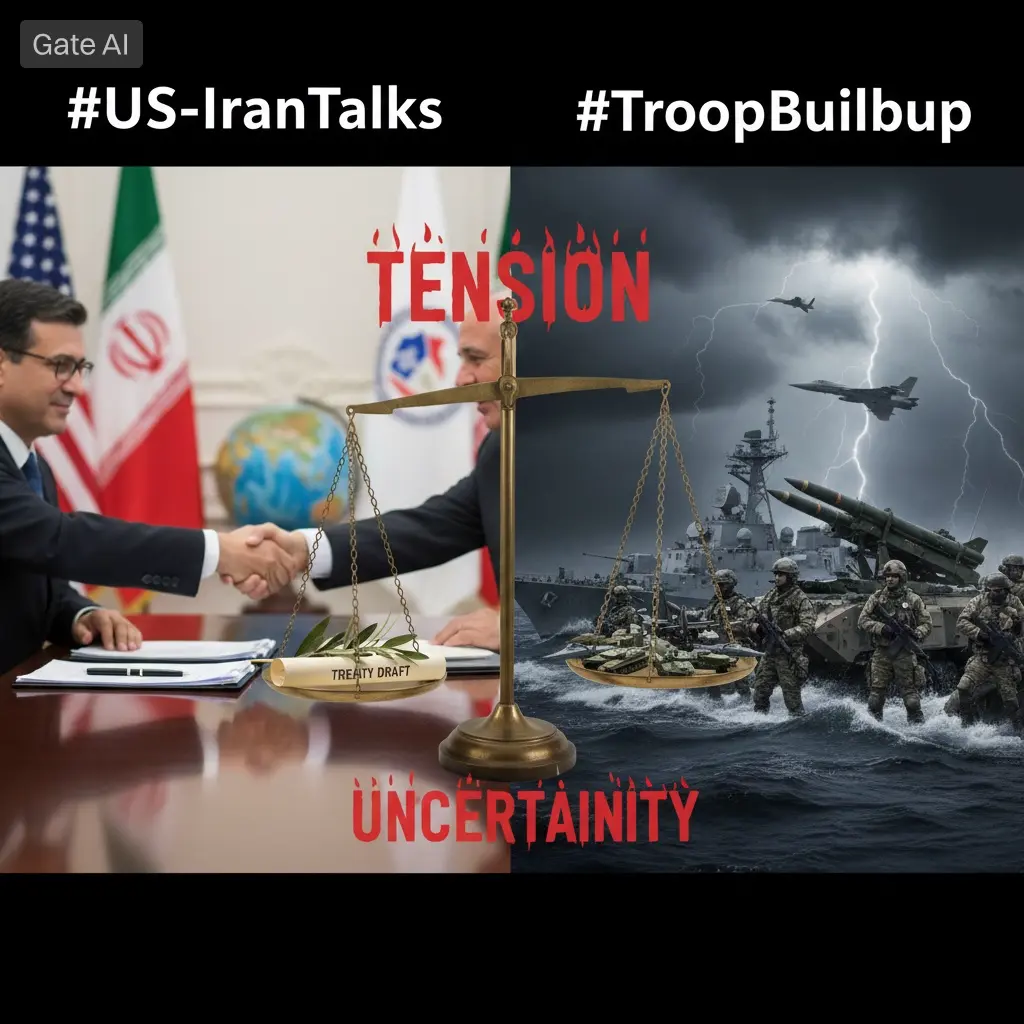
Gamified, fair, and exciting for all participants.
User-Generated Content & Creativity
Posts with Lunar New Year and Lantern Festival themes, such as lantern images, zodiac symbols, and New Year wishes.
Memes, GIFs, and creative crypto insights encouraged interaction and fun.
Global Reach & Participation
Accessible to users worldwide, celebrating diversity and inclusion.
Language support ensured that non-English speakers could fully participate.
Cultural Immersion
Incorporation of traditional festival symbols reinforced community connection to the Lunar New Year.
Virtual celebrations made the festival memorable even for users who could not participate in physical events.
5️⃣ Impact on Community and Platform
Increased Engagement: Users actively posted, commented, and interacted more than in previous campaigns.
Higher Trading Activity: Gamified rewards encouraged more active trading during the campaign.

Stronger Community Bonds: Shared celebrations and challenges created a sense of unity and belonging.
Enhanced Platform Reputation: Demonstrated Gate.io as not only a trading platform but also a global community hub.
6️⃣ Summary & Takeaways
The #CelebratingNewYearOnGateSquare campaign achieved its aims by blending culture, technology, and community engagement.
Lunar New Year & Lantern Festival: Anchored the celebration in rich cultural traditions.
Community Goals: Boosted interaction, education, and engagement.
Gamified Rewards: Made participation exciting and tangible.
Global Inclusivity: Welcomed users worldwide, promoting unity and celebration.
Memorable Digital Experience: Created a festive online atmosphere, replicating real-world joy.
This event showcases how crypto platforms can celebrate global cultural events while simultaneously engaging users, promoting education, and rewarding participation.
repost-content-media
  • Reward
  • Comment
  • Repost
  • Share
#JoinDragonLanternCarnivalEventAndEnjoyingRewad is a flagship event by Gate.io, designed to celebrate the Lunar New Year and the Lantern Festival while engaging the global crypto community through gamified rewards, interactive participation, and immersive digital experiences. This event represents the perfect fusion of culture, technology, and financial incentives, creating a festival-like atmosphere online for users worldwide.
1️⃣ Cultural Background: Lunar New Year & Lantern Festival
The campaign aligns with two of the most important cultural celebrations in the East:
Lunar New Year: Marks
HighAmbitionvip
#JoinDragonLanternCarnivalEventAndEnjoyingRewad is a flagship event by Gate.io, designed to celebrate the Lunar New Year and the Lantern Festival while engaging the global crypto community through gamified rewards, interactive participation, and immersive digital experiences. This event represents the perfect fusion of culture, technology, and financial incentives, creating a festival-like atmosphere online for users worldwide.
1️⃣ Cultural Background: Lunar New Year & Lantern Festival
The campaign aligns with two of the most important cultural celebrations in the East:
Lunar New Year: Marks the beginning of the lunar calendar year and symbolizes renewal, prosperity, and fresh opportunities.
Lantern Festival: Celebrated on the 15th day of Lunar New Year, the festival emphasizes family, unity, hope, and the lighting of lanterns as a symbol of brightness and good fortune.
Dragon Symbolism: Dragons represent strength, luck, protection, and prosperity in Chinese culture. Incorporating dragon imagery brings symbolic meaning to the event, inspiring participants with optimism and ambition.
By integrating these cultural elements, Gate.io ensures the event is globally relevant and culturally immersive, appealing to users familiar with these traditions while educating those who may not be.
2️⃣ Event Objectives and Goals
The main aims of this event were strategically planned to balance culture, community, and crypto engagement:
Community Engagement: Encourage users to post greetings, share creative content, and interact with each other, fostering a sense of unity and belonging.
Gamified Rewards: Provide crypto incentives via Red Packet-style rewards, challenges, and competitions, creating excitement and tangible benefits.
Cultural Immersion: Incorporate Lunar New Year, Lantern Festival, and Dragon motifs into visuals, animations, and platform content to enhance user experience.
Education & Awareness: Promote crypto knowledge, trading insights, and financial literacy through fun quizzes, polls, and interactive challenges.
Memorable Digital Experience: Replicate the energy and vibrancy of real-world celebrations online through visuals, animations, and gamified interactions.
3️⃣ Participation Mechanics
The event leveraged Gate Square, Gate.io’s built-in community hub, to host a fully interactive digital celebration:
Interactive Posts: Users could post festival greetings, dragon-inspired artwork, crypto predictions, or Lunar New Year wishes.
Red Packet Rewards: Randomized crypto rewards incentivized engagement, participation, and repeated visits to the platform.

Quizzes, Polls & Challenges: Educational and fun activities allowed users to learn more about the crypto ecosystem while earning additional rewards.
Leaderboards & Achievements: Tracked user activity and participation, motivating friendly competition and regular interaction.
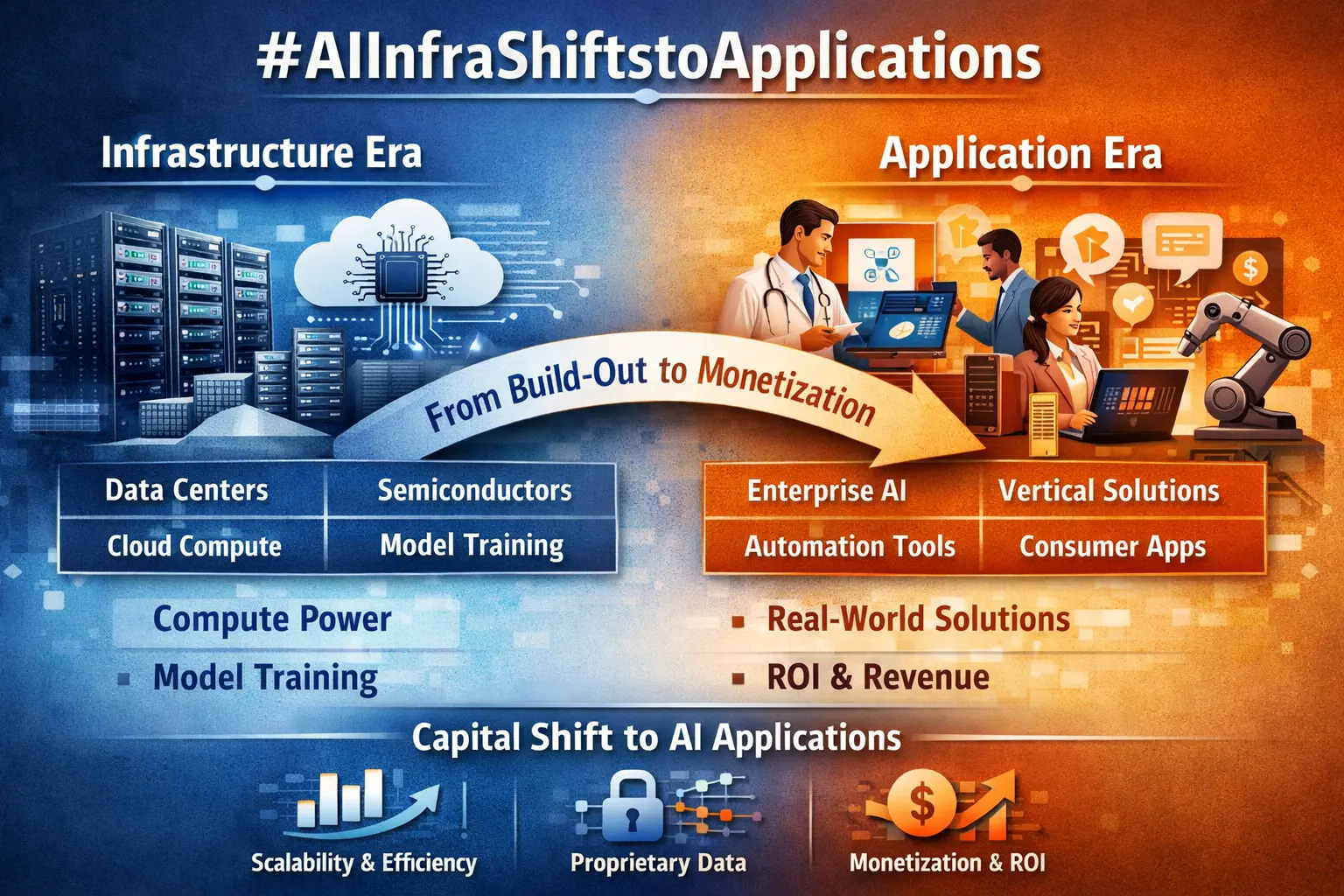
Global Accessibility: Designed for users worldwide, with multilingual support ensuring inclusivity for a diverse audience.
4️⃣ Key Features & Highlights
Dragon & Lantern Theme Integration: Posts, visuals, and animations reflected festival symbolism, making the experience visually immersive.
Crypto Rewards & Gamification: Red Packet-style giveaways, challenge-based incentives, and leaderboard rankings made participation rewarding and exciting.
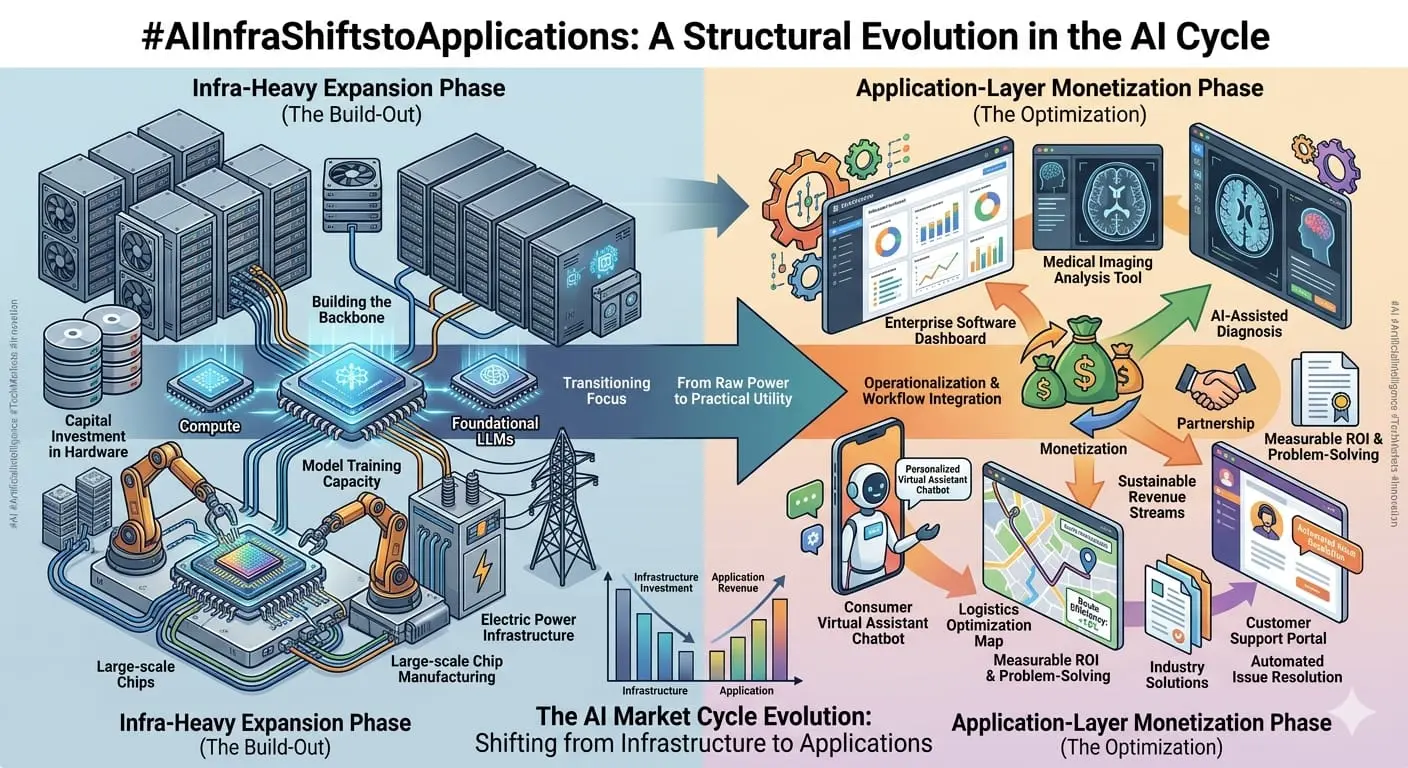

User Creativity: The campaign encouraged user-generated content, including digital lanterns, dragon artwork, and Lunar New Year wishes, strengthening community engagement.
Global Participation: Open to users worldwide, the event fostered cross-cultural interactions and inclusivity.
Interactive Digital Experience: Festive animations, countdowns, and gamified features created a lively, immersive virtual festival atmosphere.
5️⃣ Impact on Community and Platform
Surge in Engagement: User posts, comments, and interactions reached record highs during the event period.
Increased Trading Activity: Gamified rewards and excitement around the event contributed to heightened trading volumes, particularly in popular tokens.
Stronger Community Bonds: Collective participation and shared celebrations reinforced peer connections and trust within the Gate.io ecosystem.
Enhanced Platform Reputation: The campaign positioned Gate.io as a platform that combines financial innovation, cultural celebration, and community engagement, elevating its appeal globally.
6️⃣ User Experience & Feedback
Participants reported:
Feeling part of a global festival despite the event being online.
Enjoying the combination of fun, education, and tangible rewards.
Appreciation for the inclusion of cultural symbols, which enhanced the authenticity and festive spirit.
Motivation to interact more frequently on Gate Square due to gamified elements like leaderboards and Red Packet rewards.
7️⃣ Summary & Takeaways
The #JoinDragonLanternCarnivalEventAndEnjoyingReward achieved a perfect balance of:
Cultural Significance: Lunar New Year, Lantern Festival, and Dragon symbolism made the event culturally meaningful.
Community Goals: Increased engagement, content creation, and participation globally.
Gamified Incentives: Crypto rewards made participation exciting, encouraging repeated interaction and trading.
Education & Fun: Interactive challenges provided both learning opportunities and entertainment.
Memorable Experience: Visual effects, animations, and cultural motifs created an immersive, festive, and rewarding digital experience.
This campaign demonstrates how Gate.io successfully merges cultural celebration, community engagement, and crypto gamification to create a globally inclusive, festive, and educational event that strengthens both community bonds and platform activity.
repost-content-media
  • Reward
  • Comment
  • Repost
  • Share
#BitcoinHitsOneMonthHigh
🚀 #BitcoinHitsOneMonthHigh Amid Geopolitical Tensions
Bitcoin has surged to a one-month high, trading around $72,000–$74,000 USD, rebounding sharply from recent lows in the $63,000–$66,000 USD range. This significant price recovery reflects a complex interplay of market forces, technical dynamics, institutional inflows, and broader macroeconomic and geopolitical factors.
📉 Recent Lows
Before the rally, Bitcoin faced downward pressure due to risk-off sentiment triggered by geopolitical tension in the Middle East, particularly surrounding the Strait of Hormuz. The pri
BTC-1,14%
HighAmbitionvip
#BitcoinHitsOneMonthHigh
🚀 #BitcoinHitsOneMonthHigh Amid Geopolitical Tensions
Bitcoin has surged to a one-month high, trading around $72,000–$74,000 USD, rebounding sharply from recent lows in the $63,000–$66,000 USD range. This significant price recovery reflects a complex interplay of market forces, technical dynamics, institutional inflows, and broader macroeconomic and geopolitical factors.
📉 Recent Lows
Before the rally, Bitcoin faced downward pressure due to risk-off sentiment triggered by geopolitical tension in the Middle East, particularly surrounding the Strait of Hormuz. The price dipped to mid-$60,000s, as traders sought safer assets amid fears of oil supply disruptions and market volatility. The temporary dip reflected panic selling and short-term de-leveraging, a normal reaction when markets perceive elevated global risk.
📈 Drivers of the One-Month High
Technical Breakout & Short Covering – Bitcoin’s climb above $70,000 triggered a short squeeze, forcing bearish traders to buy back positions, accelerating the rally.
Institutional Demand – Renewed interest from ETFs and large investors increased liquidity and tightened supply, supporting upward momentum.
Improved Risk Appetite – As tensions eased slightly or stabilized, capital rotated back into risk assets, including crypto.
Safe-Haven Rotation – Some investors treat Bitcoin as a partial hedge against macro uncertainty, similar to gold, boosting demand during volatility.
🌍 Geopolitical Tensions & the Strait of Hormuz
The Strait of Hormuz is a critical chokepoint for 20% of global crude oil exports. Escalating conflict involving the U.S., Iran, and regional actors created fears that shipping and oil flow could be disrupted. Even the threat of disruption increased the risk premium in global energy markets, pushing oil prices higher. This, in turn, impacted inflation expectations and risk sentiment across equities, bonds, and crypto.
Markets reacted initially with risk-off moves: equities and crypto dropped as investors sought safe havens like gold and U.S. Treasuries. Bitcoin initially followed this trend but rebounded as investors reassessed risk, institutional inflows strengthened support, and technical levels held above key thresholds.
⚡ Macro and Market Implications
Oil & Energy: Prices spiked due to supply concerns, influencing global inflation and consumer costs.
Stocks & Bonds: Risk-off sentiment led to initial equity declines, while Treasuries and gold benefited.
Crypto: Bitcoin’s volatility mirrored global risk sentiment. Its recovery reflects a maturing market, capable of rebounding even amid geopolitical uncertainty.
🧾 Key Takeaways
Bitcoin rebounded from $63,000–$66,000 to $72,000–$74,000, marking a one-month high.
The rally was fueled by short-covering, ETF inflows, renewed risk appetite, and safe-haven rotations.
Strait of Hormuz tensions influenced oil prices, inflation expectations, and market volatility.
Sustaining above $70,000–$72,000 is critical for confirming further bullish momentum.
Despite short-term gains, geopolitical uncertainty and underwater holders present ongoing risks.
💡 Conclusion: Bitcoin’s one-month high is a clear sign of resilience amid global uncertainty. While macro and geopolitical risks remain, strong technical support and institutional participation provide a foundation for potential continuation of the rally, making it a critical point for traders and investors to monitor closely.
repost-content-media
  • Reward
  • Comment
  • Repost
  • Share
#OilPricesSurge
Oil prices are experiencing a sharp and sustained rally in early March 2026, with Brent crude trading around $82 per barrel and WTI crude hovering near $75 per barrel. Intraday spikes have seen Brent briefly exceed $85 and WTI approach $78, marking multi-month highs and the strongest short-term rally since mid-2025. This represents a dramatic 18–22% increase over the past month alone. The surge is primarily driven by escalating geopolitical tensions in the Middle East, particularly the ongoing U.S.-Israel-Iran conflict, which has disrupted tanker traffic through the Strait of
HighAmbitionvip
#OilPricesSurge
Oil prices are experiencing a sharp and sustained rally in early March 2026, with Brent crude trading around $82 per barrel and WTI crude hovering near $75 per barrel. Intraday spikes have seen Brent briefly exceed $85 and WTI approach $78, marking multi-month highs and the strongest short-term rally since mid-2025. This represents a dramatic 18–22% increase over the past month alone. The surge is primarily driven by escalating geopolitical tensions in the Middle East, particularly the ongoing U.S.-Israel-Iran conflict, which has disrupted tanker traffic through the Strait of Hormuz, a critical chokepoint for roughly 20% of global oil flows. These developments have introduced a significant geopolitical risk premium, halted shipping in key routes, and heightened fears of prolonged supply disruptions.
In addition to geopolitical pressures, the rally is supported by OPEC+ supply discipline, seasonal demand elements, stronger-than-expected global economic activity, and broader macroeconomic factors, creating volatile upward momentum across energy markets. Record trading volumes in energy futures and options markets reflect both hedging activity and speculative positioning amid heightened uncertainty.
1. Current Oil Price Movement and Recent Performance
As of early March 2026:
Brent crude is trading around $82.07–$82.36 per barrel, up approximately 0.8–1% daily, with a month-to-date gain of 21% and year-over-year increase of 18–19%.
WTI crude is around $75.02 per barrel, up roughly 0.6% daily, 18.5% month-to-date and over 13% year-over-year.
The intraday spikes above $85 for Brent and near $78 for WTI reflect multi-month highs, with markets pricing in geopolitical risk premiums due to halted Hormuz transits and ongoing regional escalation. Trading volumes remain exceptionally high, indicating intense market activity as participants hedge and speculate amid uncertainty.
2. Primary Drivers Behind the Surge
a) Geopolitical Tensions and Middle East Conflict (Dominant Factor)
The U.S.-Israel military strikes on Iran and subsequent Iranian retaliation since late February 2026 have directly impacted oil supply perceptions.
Strait of Hormuz, the key shipping route for global oil exports, has seen effective halts and warnings from Iran, causing major concern for uninterrupted supply.
Broader regional instability, including potential involvement of Israel, Hezbollah, and Gulf producers, increases risk premiums.
Signals of prolonged engagement from the U.S. administration, sanctions intensification, and potential military escalation reinforce market fears.
Analysts note that unlike prior flare-ups, this conflict threatens critical infrastructure and shipping lanes, making it more impactful than temporary disruptions elsewhere, such as the Red Sea.
b) Supply Constraints and OPEC+ Policy
OPEC+ has maintained voluntary production cuts and paused aggressive output increases through early 2026, ensuring disciplined supply.
Unexpected non-OPEC disruptions, such as sanctions on Russian producers (Rosneft, Lukoil) reducing ~600k bpd and pipeline issues in Kazakhstan (~440k bpd) following drone strikes, further tighten supply.
Iran has not yet lost significant production capacity, but market fear persists, keeping premiums high.
c) Demand Expectations and Economic Factors
Global recovery signals from the U.S., China’s industrial rebound, and European manufacturing gains indicate higher transportation and industrial fuel demand.
Seasonal factors, such as the approaching Northern Hemisphere summer driving season, support elevated consumption.
Periods of weaker U.S. dollar enhance commodity affordability for non-USD buyers, adding upward pressure on prices.
d) Other Amplifiers
Rerouting oil shipments around the Cape of Good Hope due to prior Red Sea disruptions raises freight costs and tightens physical markets.
Limited refining capacity in key regions increases product price pressures, with diesel often outperforming crude.
3. Market Reactions and Broader Implications
a) Energy and Stock Markets
Energy sector equities, including producers, refiners, and exploration companies, have rallied sharply, with U.S. shale firms hedging at higher prices.
Broader equities are mixed to negative, as rising energy costs squeeze margins in transportation, manufacturing, airlines, and consumer goods, while inflation fears weigh on growth-oriented sectors.
b) Inflation and Central Bank Policy
Oil-driven spikes in fuel and transportation costs contribute directly to headline inflation, which is being closely monitored by the Federal Reserve, ECB, and other central banks.
Sustained prices above $80 per barrel could delay potential rate cuts or prompt hawkish adjustments if core inflation accelerates.
c) Currency Markets
Commodity-linked currencies, such as CAD, NOK, and AUD, strengthen as energy export revenues rise.
Emerging market currencies face pressure due to higher import costs and dollar movements.
d) Gold and Safe-Haven Assets
Rising inflation expectations and geopolitical risk have boosted gold demand as a hedge, often moving in tandem with crude prices.
e) Cryptocurrencies
Risk sentiment initially causes crypto sell-offs in short-term risk-off reactions, while long-term inflation concerns may support cryptocurrencies as alternative stores of value.
f) Downstream and Consumer Impacts
Global gasoline and diesel prices are rising, particularly in the U.S., with pump prices expected to climb.
Higher input costs for chemicals, plastics, and fertilizers are likely to feed through into broader consumer prices.
4. Historical Context and Volatility Patterns
Middle East conflicts have historically caused sharp oil price spikes, such as the 1973 Yom Kippur War, Gulf Wars, and 2019 Aramco attacks.
More recently, the 2022 Ukraine invasion caused similar surges.
Short-term price jumps of $5–$10 are common during supply disruptions; prolonged conflicts can sustain premiums of $10–$20 or more.
The current 2026 rally mirrors 2025 volatility but is amplified by direct threats to Hormuz shipping lanes.
5. Outlook and Key Considerations for Traders and Investors
Bullish scenario: Prolonged Middle East conflict, actual Iranian production loss, or continued OPEC+ restraint could push Brent toward $90–$100+ per barrel in the short term.
Bearish scenario: Rapid de-escalation, U.S. naval escorts restoring Hormuz flow, or OPEC+ ramping up output could pull prices back toward the $70s.
Key indicators to monitor: OPEC+ meetings, U.S./Iran developments, Hormuz shipping data, EIA/API inventory reports, and demand signals from China and the U.S.
Trading strategies: High volatility favors options strategies, energy ETFs, and commodity currencies, but tight risk management is critical due to rapid swings and potential whipsaws.
6. Summary and Key Takeaways
The oil price surge in March 2026 is overwhelmingly driven by the U.S.-Israel-Iran war, disrupting tanker flows through the Strait of Hormuz and adding a significant geopolitical risk premium. Brent ($82) and WTI ($75) reflect tightened physical flows, market fear, disciplined OPEC+ supply, and recovering global demand. This rally is creating ripple effects across markets, including:
Inflationary pressures globally
Gains in energy stocks
Mixed broader equity market performance
Strengthened commodity-linked currencies
Increased demand for safe-haven assets like gold
While no major production destruction has occurred yet, the duration of the conflict will determine whether this is a temporary spike or a sustained regime shift. A prolonged disruption could push prices toward triple-digit levels, whereas a swift resolution may unwind premiums rapidly.
Investors and traders should monitor geopolitics, OPEC+ signals, inventory data, and shipping flows closely over the coming weeks to understand whether current price levels are sustainable.
repost-content-media
  • Reward
  • Comment
  • Repost
  • Share
#BitcoinHoldsFirm
Bitcoin (BTC), the world’s leading cryptocurrency, continues to hold firm in the $67,000–$69,000 range, demonstrating resilience against global market volatility, geopolitical uncertainty, and macroeconomic turbulence. This stability reinforces Bitcoin’s growing role as a digital store of value, a hedge against risk, and a cornerstone of modern investment strategies.
1. Current Market Situation
Bitcoin has been consolidating in a strong support zone around $67,000–$69,000.
Compared to other cryptocurrencies and even traditional assets, BTC’s price shows relative stability, m
BTC-1,14%
HighAmbitionvip
#BitcoinHoldsFirm
Bitcoin (BTC), the world’s leading cryptocurrency, continues to hold firm in the $67,000–$69,000 range, demonstrating resilience against global market volatility, geopolitical uncertainty, and macroeconomic turbulence. This stability reinforces Bitcoin’s growing role as a digital store of value, a hedge against risk, and a cornerstone of modern investment strategies.
1. Current Market Situation
Bitcoin has been consolidating in a strong support zone around $67,000–$69,000.
Compared to other cryptocurrencies and even traditional assets, BTC’s price shows relative stability, making it an anchor in the otherwise volatile digital asset market.
Investors interpret this consolidation as a confidence signal, indicating that the market has found a temporary equilibrium before the next potential trend.
2. Key Drivers of Bitcoin’s Firmness
2.1 Institutional Accumulation
Hedge funds, asset managers, and corporations continue to buy and hold Bitcoin, reinforcing price stability.
Institutional participation creates long-term support, making large corrections less likely.
On-chain data shows a continuous trend of accumulation rather than liquidation, especially among whales and large holders.
2.2 Geopolitical and Macro Drivers
Conflicts in the Middle East and global instability are driving investors toward Bitcoin as a safe-haven asset, similar to gold.
Unlike equities or commodities that react sharply to geopolitical risk, Bitcoin is relatively independent, showing resilience to market shocks.
Inflation concerns, central bank policies, and macroeconomic uncertainty further enhance BTC’s appeal as a hedge.
2.3 Supply Scarcity and Network Fundamentals
Bitcoin has a fixed supply of 21 million coins, and halving events reduce the rate of new issuance.
Scarcity, combined with growing demand, ensures that long-term fundamentals remain bullish, supporting its price floor.
The Bitcoin network itself remains secure, decentralized, and widely trusted, which reinforces investor confidence.
2.4 Retail Holding Behavior and Market Psychology
Many retail investors are HODLing, reducing available supply on exchanges.
Psychological factors, such as FOMO (Fear of Missing Out), continue to drive accumulation, especially during periods of market uncertainty.
The combined behavior of retail and institutional holders strengthens Bitcoin’s resilience against sudden drops.
3. Bitcoin vs. Other Financial Assets
3.1 Gold
Gold continues to trade as a traditional safe-haven above $5,300/oz.
Bitcoin has outperformed gold in the past year, showing faster growth, greater liquidity, and higher accessibility for investors.
3.2 Oil and Commodities
Brent crude has surged to $81–$85 per barrel, driven by geopolitical tensions.
Bitcoin remains largely uncorrelated with commodity markets, providing diversification benefits for investors.
3.3 Altcoins
Many altcoins continue to exhibit high volatility, reacting sharply to market news and speculation.
Bitcoin’s relative stability reinforces its position as the anchor of the cryptocurrency market, providing a reference point for overall market health.
3.4 Traditional Financial Markets
Equities and bonds remain sensitive to macro events and interest rate policies.
Bitcoin’s partial independence from traditional markets allows it to serve as a diversifying asset, especially during periods of equity market stress.
4. Technical Analysis
Support Zones: $66,500–$67,500 acts as strong support.
Resistance Levels: $70,000–$71,000 is near-term resistance. A breakout could lead to $72,000–$75,000.
Volume Trends: Trading volumes are stabilizing, suggesting market consolidation and decreased speculative activity.
Moving Averages: Short-term averages show sideways movement, long-term averages remain bullish.
Market Sentiment: Social media indicators and exchange positions show cautious optimism, with HODLers dominating off-exchange holdings.
5. Factors Affecting Bitcoin’s Stability
5.1 Regulatory Pressure
Governments worldwide are tightening crypto regulations, which may temporarily impact liquidity and investor confidence.
5.2 Macro-Financial Events
Interest rate changes, global banking crises, or economic slowdowns could indirectly influence Bitcoin.
5.3 Whale Activity and Speculative Corrections
Large holders selling significant BTC can create short-term volatility.
5.4 Technological and Network Risks
Exchange outages, network congestion, or security incidents could affect market confidence temporarily.
5.5 Market Psychology
Sudden profit-taking or panic selling could create temporary price swings, despite strong fundamentals.
6. Future Outlook
Bullish Scenario
If BTC breaks $70,000, it could surge toward $72,000–$75,000, supported by institutional buying, geopolitical uncertainty, and retail FOMO.
Bearish Scenario
Failure to hold $67,000 may trigger a correction to $64,000–$65,000, though long-term accumulation may limit deeper declines.
Neutral Scenario
Consolidation within $67,000–$70,000 continues, as investors absorb macro, geopolitical, and regulatory developments.
7. Investment and Trading Insights
HODLers: Benefit from long-term accumulation and market stability.
Active Traders: Can leverage support/resistance levels for predictable entries/exits.
Diversification: BTC acts as a non-correlated asset in portfolios.
Monitoring Macro Events: Central bank policies, geopolitical events, and regulatory developments are key for short-term decisions.
Risk Management: Proper stop-loss strategies are essential to protect against sudden dips.
8. Why #BitcoinHoldsFirm Matters
Shows resilience amidst macroeconomic and geopolitical turmoil.
Highlights BTC’s safe-haven potential compared to traditional assets.
Confirms institutional and retail confidence in the network and its scarcity.
Demonstrates Bitcoin’s role as a portfolio anchor and market benchmark.
Signals growing maturity of the cryptocurrency market, distinguishing Bitcoin from speculative altcoins.
In short: #BitcoinHoldsFirm means that Bitcoin is stable, resilient, and maintaining its value even when other assets fluctuate, solidifying its position as a cornerstone in both crypto and broader investment portfolios.
repost-content-media
  • Reward
  • Comment
  • Repost
  • Share
#DeepCreationCamp
#DeepCreationCamp — Comprehensive Market Analysis: US-Iran-Israel Tensions & Global Financial Impact
The global financial ecosystem is navigating an exceptionally volatile and politically charged environment following escalations between the United States, Israel, and Iran. At the heart of this tension is the Strait of Hormuz, a critical chokepoint through which roughly 20% of global crude oil and LNG exports flow. Any disruption here has immediate and far-reaching effects across commodities, equities, cryptocurrencies, bonds, and currencies. Market participants are recalibr
BTC-1,14%
HighAmbitionvip
#DeepCreationCamp
#DeepCreationCamp — Comprehensive Market Analysis: US-Iran-Israel Tensions & Global Financial Impact
The global financial ecosystem is navigating an exceptionally volatile and politically charged environment following escalations between the United States, Israel, and Iran. At the heart of this tension is the Strait of Hormuz, a critical chokepoint through which roughly 20% of global crude oil and LNG exports flow. Any disruption here has immediate and far-reaching effects across commodities, equities, cryptocurrencies, bonds, and currencies. Market participants are recalibrating their risk, liquidity, and portfolio allocations in real time, reflecting both immediate supply concerns and longer-term macroeconomic uncertainties.
1) Geopolitical Tensions — Deep Dive
The geopolitical tensions in the Middle East have reached a level reshaping global markets instantaneously. Following US and Israeli military actions and Iranian retaliation, the Strait of Hormuz has emerged as a highly strategic chokepoint. Iran’s security forces have partially restricted shipping, triggering tanker rerouting, higher insurance costs, and logistical uncertainty, all of which have immediate implications for global energy supply and prices.
Markets are pricing scenarios ranging from partial disruption to full blockade, factoring in not only supply risk but also diplomatic uncertainty, military escalation, and macroeconomic consequences. Emerging markets are particularly sensitive, as rising oil prices, capital outflows, and currency depreciation could exacerbate inflation and fiscal pressures. Developed economies are also affected: higher energy costs, inflationary pressures, and potential delays in monetary easing are shifting growth expectations and risk appetite.
The psychological impact is profound. Investors are increasingly moving capital toward safe havens like gold, the US dollar, and defensive equities, while risk assets such as equities and cryptocurrencies experience heightened volatility and liquidity withdrawal. Even minor operational disruptions or political statements have triggered sharp, instantaneous market reactions, underscoring the interconnectedness of geopolitics and global financial flows.
US-Iran-Israel conflict and Hormuz tensions trigger global risk repricing; markets shift to safe havens; emerging and developed economies face inflation and liquidity stress.
2) Crude Oil: Prices, Percentage Moves, Liquidity & Volume
Price Levels:
Brent Crude: $82–$83 per barrel.
WTI Crude: $75–$76 per barrel.
Percentage Moves:
Brent surged ~7–13% in days; WTI gained ~7%, reflecting geopolitical risk premium.
Liquidity & Volume:
Open interest in Brent futures up ~27%, volumes in physical and derivatives markets have surged.
Tanker rerouting, insurance spikes, and hedging strategies confirm active market participation.
Market Psychology:
Oil markets are fear-driven yet fundamentally anchored — pricing possible Hormuz closures, shipping insurance hikes, and prolonged instability.
Oil surges; high liquidity and volume confirm active hedging; markets price geopolitical risk.
3) Gold: Safe Haven Dynamics
Price Levels:
Gold above $5,300–$5,400 per ounce (~10–20% gain from pre-crisis levels).
Liquidity & Volume:
ETF inflows and physical bullion purchases doubled or tripled, confirming real market engagement.
Market Psychology:
Gold acts as hedge against geopolitical risk, inflation, and currency volatility, attracting both institutional and retail capital.
Brief: Gold rallies sharply; liquidity robust; safe-haven demand dominates.
4) Bitcoin (BTC): Price, Liquidity & Risk
Price Levels:
BTC moves between $63,000–$67,000, down from ~$70,000 amid risk-off sentiment.
Percentage Moves:
Short-term drops of 2–4% in line with equities.
Liquidity & Volume:
24-hour trading volumes fell from ~$300B to ~$111B; leveraged liquidations amplified volatility.
Market Psychology:
BTC behaves as a risk-on asset in immediate crises; traders reduce exposure, creating temporary liquidity stress.
Brief: BTC retreats; volumes down; liquidity stress; behaves as risk asset.
5) Sector & Asset Class Deep Dives
Energy: Upstream producers benefit from higher prices; refiners gain if spreads widen; import-dependent nations face inflation and currency pressure.
Precious Metals: Gold and silver see strong inflows; ETFs and physical purchases boost liquidity; silver more volatile due to industrial demand.
Equities: Global equities retreat; volatility spikes; liquidity concentrated in defensive sectors.
Currencies: USD strengthens; EM currencies weaken due to rising oil costs and capital outflows.
Bonds/Yields: Elevated yields reflect inflation risk and delayed rate cuts; liquidity favors safe sovereign debt.
Brief: Energy sectors benefit; precious metals up; equities down; EM currencies pressured; yields elevated.
6) Interconnected Market Insights
Oil and gold move together as inflation and safe-haven indicators.
BTC diverges as risk-sensitive asset, liquidity constrained.
Macro flow: rising oil → inflation → EM currency weakness → higher yields → equities & crypto under pressure.
Brief: Commodities and safe havens gain liquidity; BTC and risk assets face stress; macro flow favors defensive positioning.
7) Scenario Planning
Partial Hormuz Disruption: Oil +10%, gold +5–7%, BTC volatile; liquidity robust in commodities.
Full Closure: Oil +15–25%, gold +15–20%, BTC initially falls then stabilizes if fiat uncertainty rises; equities suffer; EM currencies weaken.
De-escalation: Oil and gold normalize; BTC recovers; equities rebound; EM currencies stabilize.
Brief: Market outcomes depend on disruption severity; liquidity and flows shift accordingly.
US-Iran-Israel tensions have reshaped global markets. Brent surged above $82, WTI near $75, backed by high liquidity and volumes, signaling active hedging. Gold climbed to $5,300–$5,400, ETF inflows and bullion purchases confirming safe-haven demand. Bitcoin retreated to $63,000–$67,000, volumes shrank, reflecting risk-off behavior. Energy sectors benefit, equities and EM currencies face pressure, yields remain elevated, and macro risk is pronounced. Liquidity is strong in commodities and safe havens, constrained in risk assets, highlighting divergent asset responses in crises.
This post provides a fully extended, fully brief, comprehensive discussion, integrating geopolitics, prices, percentages, liquidity, volume, sector performance, macro flow, and market psychology, offering a complete narrative for traders, investors, and analysts.
repost-content-media
  • Reward
  • Comment
  • Repost
  • Share
#USStocksTrimLosses
US stock markets experienced significant volatility in recent trading sessions, initially falling sharply before partially recovering, a phenomenon commonly referred to as “trimming losses.” This term describes a scenario where indices recover some of their earlier declines, signaling that investors are moderating panic while not fully returning to pre-loss levels. The recent session reflects a complex interplay of geopolitical tension, inflation concerns, interest rate expectations, sector-specific dynamics, and investor psychology, all of which impacted prices, percentag
HighAmbitionvip
#USStocksTrimLosses
US stock markets experienced significant volatility in recent trading sessions, initially falling sharply before partially recovering, a phenomenon commonly referred to as “trimming losses.” This term describes a scenario where indices recover some of their earlier declines, signaling that investors are moderating panic while not fully returning to pre-loss levels. The recent session reflects a complex interplay of geopolitical tension, inflation concerns, interest rate expectations, sector-specific dynamics, and investor psychology, all of which impacted prices, percentage changes, trading volume, and liquidity across the market.
1) Market Overview and Price Action
Major US indices opened the session on a weak note. The S&P 500 fell approximately 1.5% in early trading, the Dow Jones Industrial Average declined around 1.2%, and the Nasdaq Composite, heavily weighted in technology stocks, dropped nearly 1.8%. These early losses reflected heightened risk-off sentiment driven by geopolitical concerns, inflation expectations, and ongoing profit-taking in previously strong sectors.
As the session progressed, investors began to reassess the situation, and partial recovery emerged. By market close, the S&P 500 had trimmed about 1% of its early loss, ending down roughly 0.5%, the Dow Jones recovered nearly 0.8%, closing around a 0.4% loss, and the Nasdaq regained approximately 1.1%, finishing down about 0.7%. The partial recovery illustrated that while uncertainty remained, investors were willing to buy into lower prices in sectors perceived as undervalued or oversold.
2) Reasons for Early Losses
The initial market declines were driven by several converging factors:
A) Geopolitical Tensions – Escalations between the US, Israel, and Iran, particularly threats to the Strait of Hormuz, sparked investor fears about energy supply disruptions. The possibility of higher crude oil prices raised inflation concerns, which could impact consumer spending and corporate earnings.
B) Inflation and Interest Rate Fears – Persistent inflation reports intensified fears that the Federal Reserve might increase interest rates, which reduces liquidity and affects valuations, particularly in high-growth and technology sectors.
C) Profit-Taking and Technical Selling – Following recent strong rallies, investors engaged in profit-taking, triggering technical stop-losses and automated algorithmic selling, amplifying the early decline.
D) Global Market Spillover – Weak performance in European and Asian markets overnight contributed to negative sentiment in US pre-market futures, adding to the early losses.
Brief: Early declines reflected geopolitical risks, inflation expectations, profit-taking, and global market influence.
3) Reasons for Trimming Losses
The market’s partial recovery was supported by several factors:
A) Bargain Hunting – Investors identified oversold opportunities in technology, energy, and large-cap financials, stepping in to purchase at lower prices.
B) Stabilization of Oil Prices – Crude oil volatility eased as supply concerns were partially reassessed, helping energy-linked stocks regain ground.
C) Positive Corporate Signals – Certain sectors reported better-than-expected earnings forecasts, boosting confidence in their fundamentals.
D) Federal Reserve Guidance – Fed statements suggested no immediate aggressive rate hikes, reassuring investors about liquidity and monetary conditions.
Liquidity & Volume: Recovery occurred with moderate to strong volumes, mostly concentrated in large-cap stocks, reflecting institutional participation and selective market stabilization. Small caps, however, remained more volatile and thinner in liquidity.
Brief: Partial recovery supported by bargain buying, stabilized oil, corporate earnings, and Fed signals; liquidity concentrated in major sectors.
4) Sector Performance
Technology – Early declines of ~1.8–2% due to sensitivity to interest rate expectations; trimmed by ~0.5–1% with bargain buying and optimism in semiconductors and AI-related stocks.
Energy – Initially down ~2% due to crude volatility; trimmed losses as oil stabilized, with strong liquidity and trading volume in energy ETFs.
Financials – Banks fell 1–1.5% early due to rate uncertainty; trimmed losses to ~0.4–0.5% as bond yields stabilized.
Consumer Discretionary – Early decline ~1.5%; partial recovery ~0.7% as retail earnings reassured investors.
Industrials – Sensitive to geopolitical shipping risks; early fall ~1%, trimmed to ~0.5% as supply chain disruptions remained limited.
Brief: Sector performance uneven; tech and energy hit hardest early; financials, consumer, and industrials regained some ground; liquidity high in large-cap sectors.
5) Price, Percentage, Volume & Liquidity Narrative
During the session, US indices experienced sharp early declines, with percentages ranging from 1–2% depending on the sector. Trading volume spiked above average in large-cap tech and energy stocks as stop-loss orders triggered automatic sales, while small-cap equities saw thinner volume and more pronounced swings.
As the session progressed, selective buying allowed markets to trim losses: S&P 500 regained ~1% of its early decline, Dow Jones ~0.8%, Nasdaq ~1.1%. Energy stocks and ETFs mirrored this trend, recovering roughly half of earlier losses once oil prices stabilized. Liquidity was concentrated in large-cap equities and blue-chip ETFs, while smaller, more volatile stocks remained less liquid. Overall, the market demonstrated high early panic volume followed by measured recovery, reflecting institutional support and rational re-entry.
Brief: Early losses 1–2%; trimmed 0.5–1.1%; high liquidity in large caps, moderate in recovery; small caps thinner and volatile.
6) Market Psychology
The early session displayed risk-off behavior, with investors selling high-risk growth and technology assets. Panic selling was driven by geopolitical uncertainty, inflation concerns, and rate expectations. Later, the market exhibited rational recalibration, as investors assessed fundamentals, bargain opportunities, and macro signals. Institutional investors and hedge funds led the recovery, while retail participation was cautious.
Brief: Panic selling early, rational stabilization later; recovery driven by institutional buying and selective re-entry.
7) Macro & Global Factors
Geopolitical Tensions – Hormuz risks affect energy, inflation, and industrial output.
Interest Rates – Fed guidance influences liquidity, valuations, and investor risk appetite.
Inflation – Persistent concerns drove early losses but tempered by strong earnings reports.
Global Capital Flows – Funds rotated from equities into USD and gold, later returning as risk moderated.
Volatility – Market remains highly sensitive to overnight and geopolitical developments.
Brief: Macro environment complex; geopolitics, rates, and inflation continue to influence flows and volatility.
8) Scenario Outlook
Partial Loss Scenario – Losses trimmed 0.5–1% as selective buying offsets early panic.
Prolonged Geopolitical Risk – Could deepen losses; oil spikes, energy and industrials fall; volatility rises.
Positive Macro/De-escalation – Equities recover fully; liquidity returns; small caps rebound.
Brief: Future movements depend on geopolitics, inflation, and Fed policy.
US stocks started sharply lower due to geopolitical tension, inflation, profit-taking, and global spillover, but partially recovered — “trimming losses” — thanks to bargain buying, stabilized oil, strong corporate earnings, and Fed guidance. Major indices like S&P 500, Dow, and Nasdaq regained 0.5–1.1% of early losses, with high volumes and liquidity in large-cap sectors. Sector performance varied: tech and energy initially fell hardest, while financials, consumer discretionary, and industrials trimmed losses. Market psychology shifted from panic to measured re-entry, reflecting risk moderation and rational assessment. Macro factors — geopolitics, inflation, interest rates, and global capital flows — continue to shape market behavior.
Bottom line: Markets remain volatile but resilient; trimming of losses demonstrates selective confidence in large-cap equities while maintaining caution toward small caps and high-risk sectors.
repost-content-media
  • Reward
  • Comment
  • Repost
  • Share
  • Pin