JusticeJomi

vip
Age 0.2 Yıl
Peak Tier 0
No content yet
DeFi Security on TON: How Smart Contracts Protect Users
Security is a core part of every DeFi interaction.
On STONfi, transactions on The Open Network are executed through smart contracts code that defines how swaps, liquidity, and other actions work.
These contracts operate based on predefined logic, removing the need for intermediaries while ensuring that actions follow set conditions.
Instead of trusting a central party, users interact with systems that are transparent and consistent in execution.
As the ecosystem grows, security remains essential not just in protecting assets, but in maint
TON-0,39%
post-image
post-image
  • Reward
  • 1
  • Repost
  • Share
ybaser:
To The Moon 🌕
Understanding Slippage: Why Your Swap Price Changes
You tap “swap” but the final amount looks different.
That difference is slippage.
On STONfi, swaps on The Open Network are executed against liquidity pools. When markets move quickly or liquidity is limited, the price can shift between the moment you initiate a trade and when it’s completed.
This causes the final execution price to differ slightly from what you first saw.
Higher volatility or larger trades can increase this effect, while deeper liquidity can reduce it.
Slippage isn’t an error it’s part of how decentralized trading works.
Unde
TON-0,39%
post-image
post-image
  • Reward
  • Comment
  • Repost
  • Share
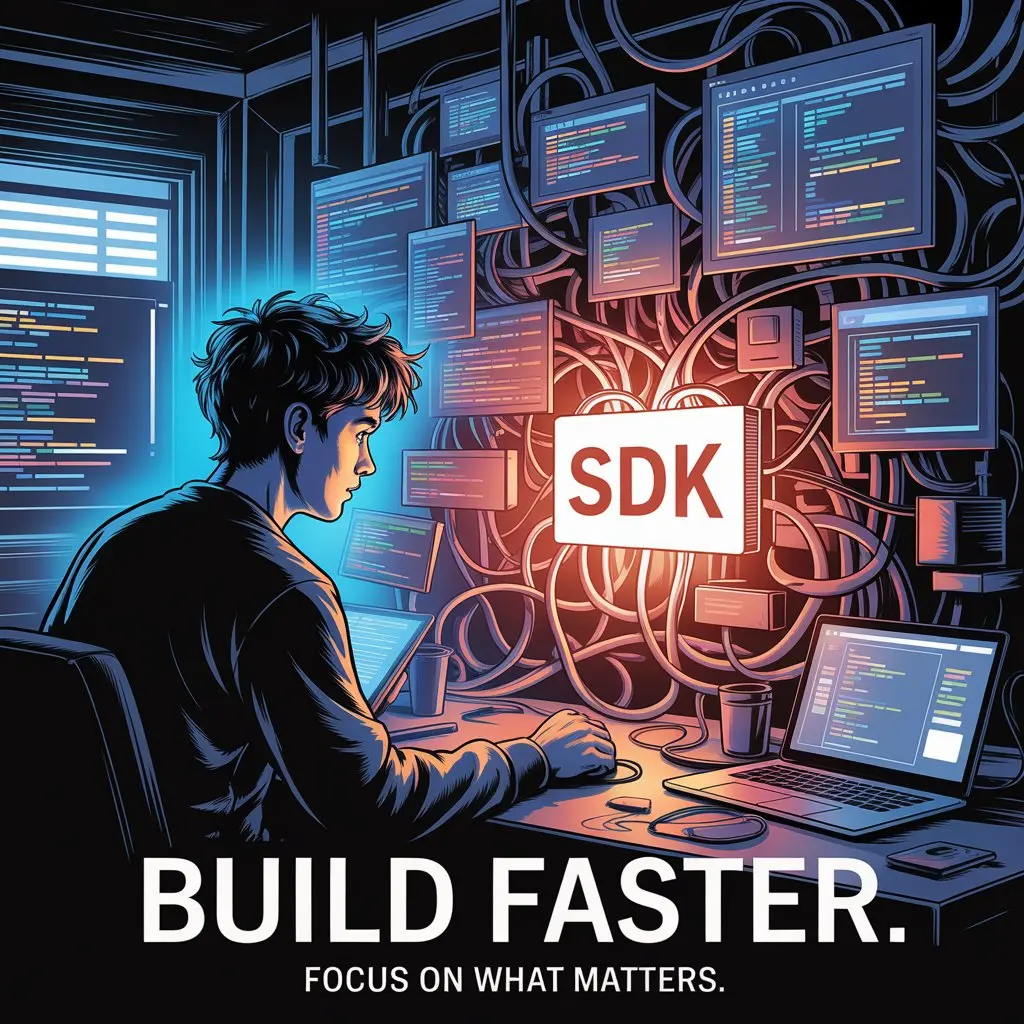
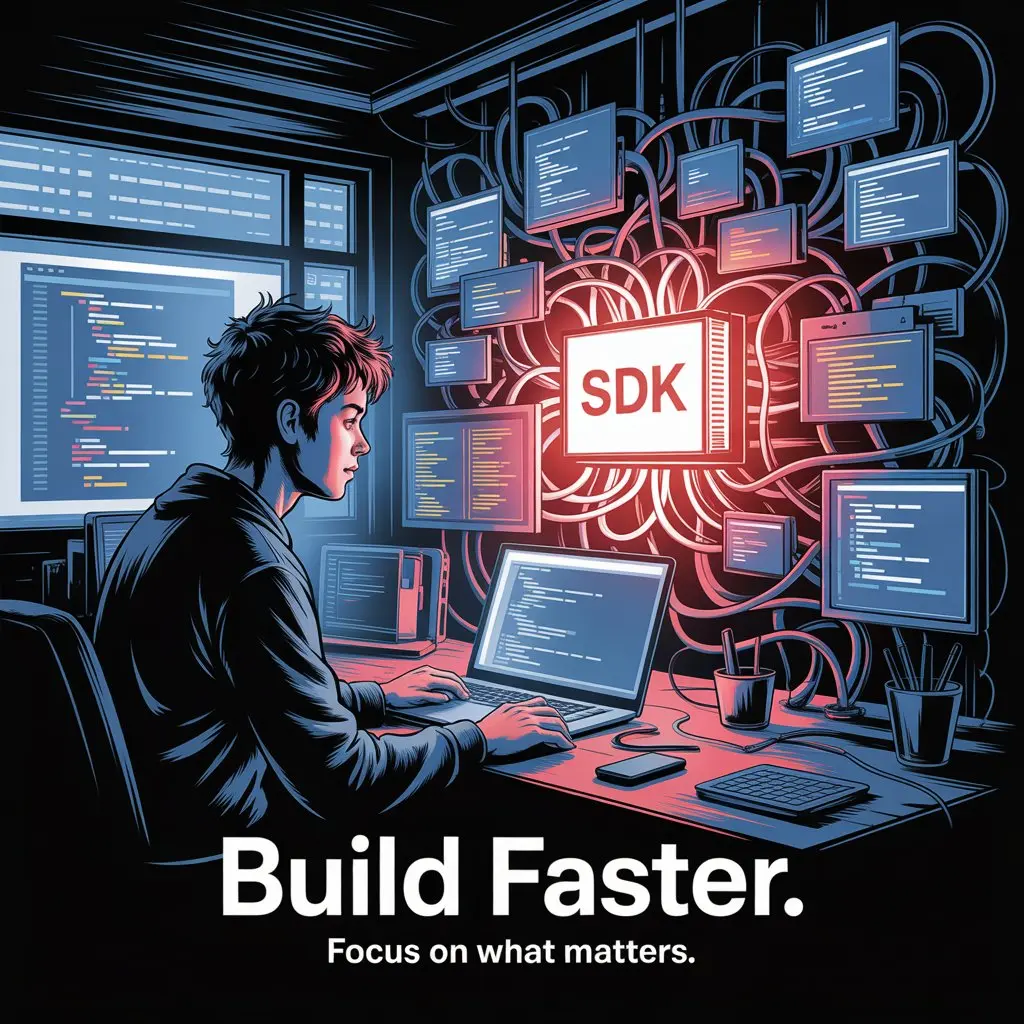
How the STONfi SDK Helps Builders Launch Faster
Building in DeFi can be complex but tools change that.
With the STONfi SDK, developers can integrate swaps, liquidity, and routing into their apps on The Open Network without starting from scratch.
Instead of building core infrastructure, teams can focus on product design and user experience.
This reduces development time and lowers technical barriers, making it easier to bring ideas to life.
As more builders use these tools, the ecosystem grows faster not just in size, but in quality and usability.
TON-0,39%
post-image
post-image
  • Reward
  • Comment
  • Repost
  • Share
Limit Orders in DeFi: Bringing Precision to Trading
DeFi is evolving beyond simple swaps.
On STONfi, the idea of limit orders introduces more control into trading on The Open Network. Instead of executing a trade instantly at the current market price, users can define the exact price at which they want a transaction to happen.
This shifts the experience from reactive to strategic.
Rather than constantly monitoring the market, users can set conditions and let execution happen when those conditions are met. It reduces the need for timing every move manually and adds a layer of precision to DeFi
TON-0,39%
post-image
post-image
  • Reward
  • Comment
  • Repost
  • Share
Cross-Chain Swaps Without Bridges: A New Direction for DeFi
Moving assets across blockchains has often meant relying on bridges and added complexity.
A new direction is emerging.
On The Open Network, infrastructure around STONfi explores more seamless ways for users to access liquidity without dealing directly with traditional bridge mechanics.
The focus shifts from manual transfers to smoother, integrated experiences where users interact with assets while the complexity is handled behind the scenes.
This approach reduces friction, simplifies onboarding, and makes DeFi interactions feel more n
TON-0,39%
post-image
post-image
  • Reward
  • Comment
  • Repost
  • Share
Omniston: Powering Smarter Swaps on STONfi
Behind every efficient swap is more than just liquidity it’s routing.
On STONfi, Omniston acts as a liquidity aggregator within The Open Network, helping route trades through the most efficient paths available.
Instead of relying on a single pool, aggregation allows swaps to access multiple liquidity sources, improving execution and reducing inefficiencies.
This means users interact with a simpler interface, while complex routing happens behind the scenes.
Omniston represents a key layer in DeFi infrastructure connecting liquidity, optimizing executio
TON-0,39%
post-image
post-image
  • Reward
  • Comment
  • Repost
  • Share
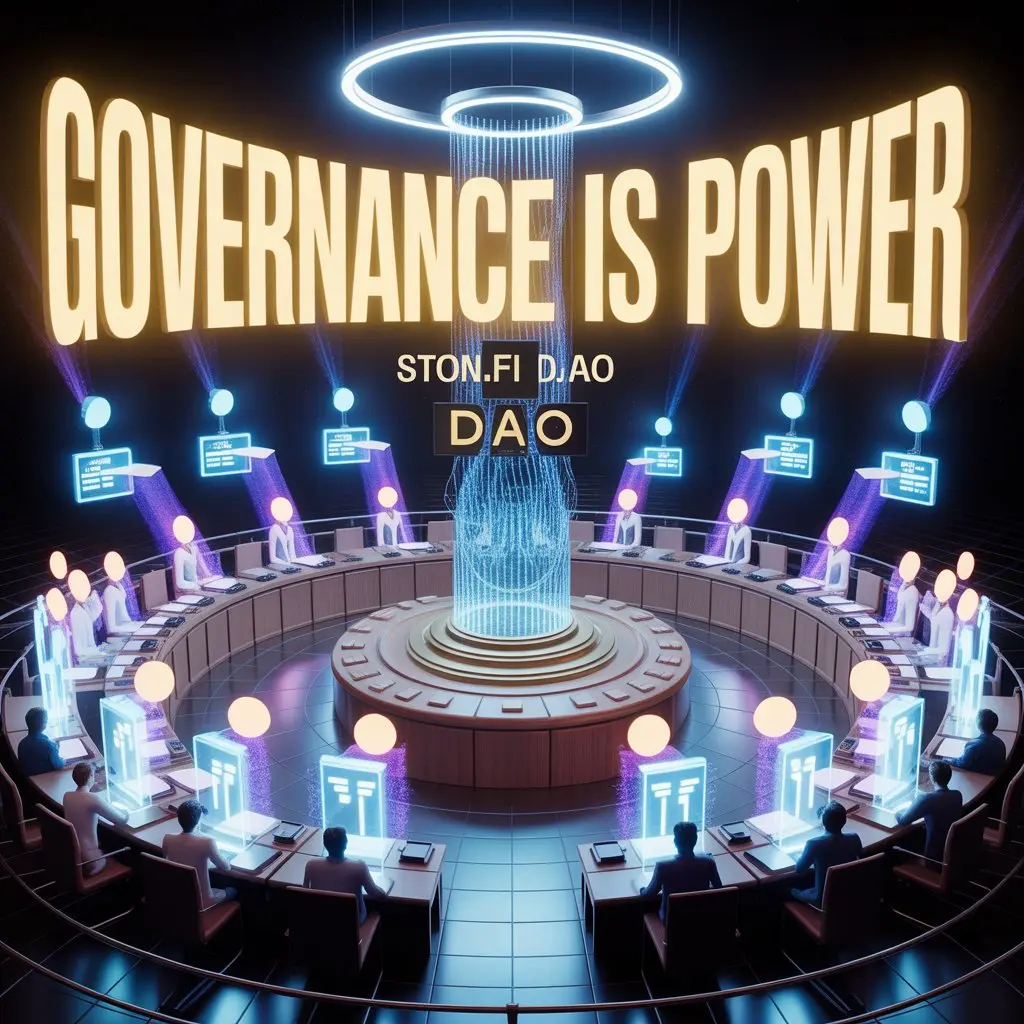
STONfi DAO: How Governance Shapes the Protocol
Decentralization isn’t just about technology it’s about decision-making.
On STONfi, governance is handled through its DAO, where community participation helps shape how the protocol evolves on The Open Network.
Proposals can cover different areas from ecosystem development to parameter adjustments and are discussed before any changes are implemented.
This structure gives users a role beyond just interacting with DeFi tools. It creates a system where participants can contribute to how the protocol grows over time.
DAO governance reflects a core ide
TON-0,39%
post-image
post-image
  • Reward
  • Comment
  • Repost
  • Share
Impermanent Loss: What Liquidity Providers Should Know
Providing liquidity isn’t just about earning it comes with dynamics every user should understand.
On STONfi, users add token pairs into pools on The Open Network to support smooth swaps and earn fees. But as market prices change, the balance of assets in the pool adjusts automatically.
This shift can lead to what’s known as impermanent loss a situation where the value of your pooled assets differs from simply holding them outside the pool.
It’s important to note that this effect depends on price movement, and in some cases, earned fees can
TON-0,39%
post-image
post-image
  • Reward
  • Comment
  • Repost
  • Share
What Makes a DeFi Portfolio Truly Diversified?
Diversification in DeFi goes beyond holding multiple tokens.
On STONfi, users can interact with different asset types within The Open Network from volatile tokens to stable assets and tokenized exposures.
But true diversification isn’t just about quantity. It’s about how assets behave under different market conditions.
A portfolio made up of assets driven by the same trend isn’t truly diversified. Balance comes from combining assets with different use cases, risk levels, and market responses.
This approach helps reduce exposure to a single narrati
TON-0,39%
post-image
post-image
  • Reward
  • Comment
  • Repost
  • Share
Liquidity Pools: How Swaps Actually Work on STONfi
Every swap in DeFi depends on liquidity.
On STONfi, liquidity pools are the foundation of trading on The Open Network. Instead of matching buyers and sellers directly, swaps are executed against tokens stored in these pools.
Users contribute to pools by adding pairs of tokens, creating the liquidity needed for others to trade. In return, they receive LP tokens representing their share and earn a portion of the swap fees generated.
This system allows trades to happen instantly, without relying on order books.
The deeper the liquidity, the smoot
TON-0,39%
post-image
post-image
  • Reward
  • 1
  • Repost
  • Share
ybaser:
To The Moon 🌕
xStocks: Bringing Traditional Markets On-Chain
Access to traditional assets is no longer limited to traditional systems.
On STONfi, xStocks introduce tokenized exposure to equities and ETFs directly within The Open Network.
These assets are designed to reflect real-world markets while remaining accessible in a DeFi environment. Users can interact with them on-chain alongside crypto-native assets without leaving their wallets.
This creates a new layer of flexibility, where portfolios are no longer restricted to a single asset class.
xStocks represent a shift in DeFi: connecting traditional fina
TON-0,39%
post-image
post-image
  • Reward
  • Comment
  • Repost
  • Share
How Farming Works on STONfi
Farming in DeFi starts with one simple action providing liquidity.
On STONfi, users add tokens into liquidity pools on The Open Network, helping swaps execute smoothly across the ecosystem. In return, they receive LP tokens that represent their share in the pool.
These LP tokens can then be used in farming.
When users stake LP tokens in a farm, they begin to earn additional rewards on top of swap fees. The amount earned depends on participation, pool activity, and the specific farming program.
Some farms are flexible, while others include lock-up periods. Each optio
TON-0,39%
FARM1,03%
SWAP2,78%
post-image
post-image
  • Reward
  • 2
  • Repost
  • Share
Dubai_Prince:
2026 GOGOGO 👊
View More
cbBTC and Bitcoin Liquidity on TON
Bringing Bitcoin liquidity to TON opens new possibilities for DeFi.
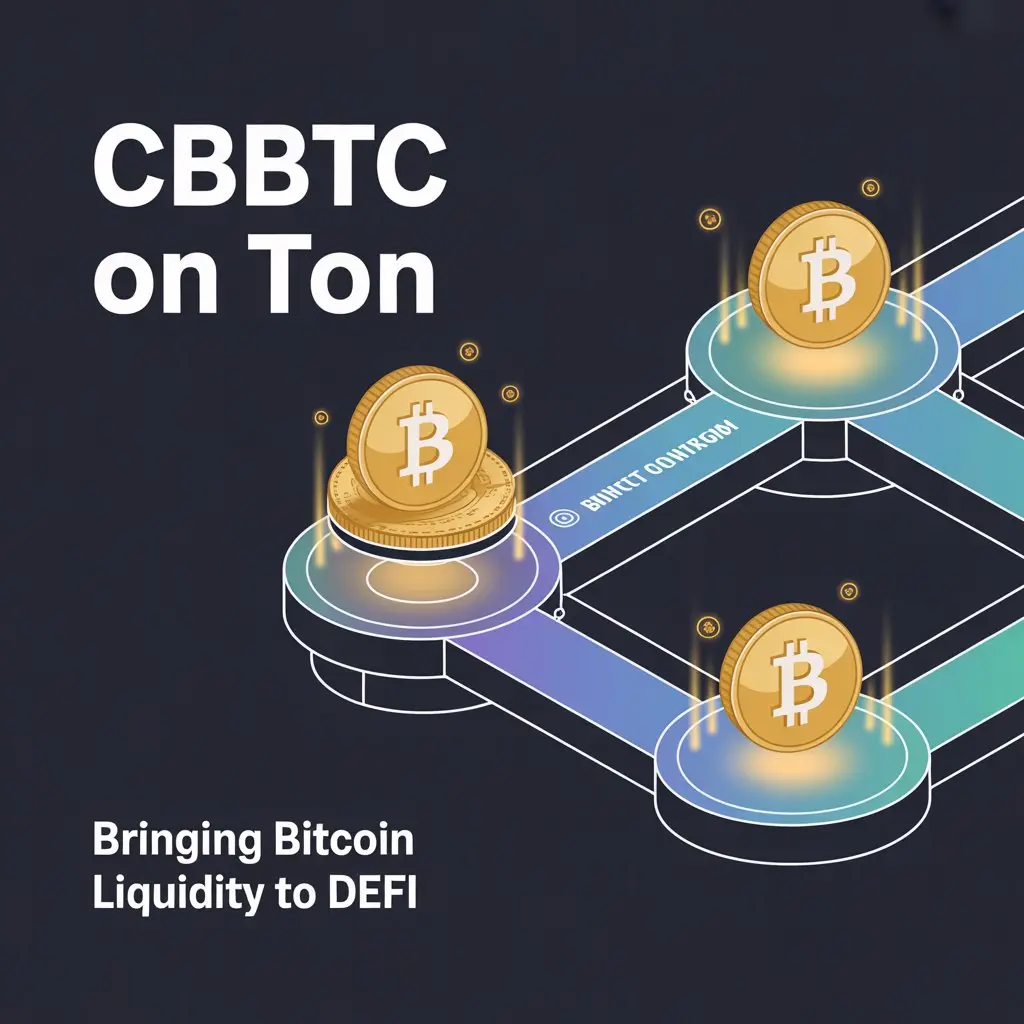
On STONfi, cbBTC is a tokenized representation of Bitcoin on The Open Network. It allows BTC holders to use their assets directly within TON-based protocols without leaving the blockchain.
The process starts with wrapping Bitcoin into cbBTC through a secure bridge. Once converted, cbBTC can be transferred, swapped, or added to liquidity pools within TON’s DeFi ecosystem.
Liquidity pools using cbBTC enable trading pairs, yield farming, and decentralized lending. Users provide cbBTC alongside o
BTC2,31%
TON-0,39%
post-image
post-image
  • Reward
  • 1
  • 1
  • Share
ybaser:
2026 GOGOGO 👊
Proof of Reserves: Why Verification Matters in DeFi
In DeFi, trust isn’t given it’s verified.
On STONfi, transparency is part of how users interact with the protocol on The Open Network. But as tokenized assets and external integrations grow, the question becomes deeper: how can users be sure that assets are truly backed?
This is where proof of reserves becomes important. It allows users to verify that assets linked to on-chain tokens actually exist and are accounted for. Instead of relying on statements, verification happens through data that can be checked.
As DeFi evolves, systems that prio
TON-0,39%
post-image
post-image
  • Reward
  • Comment
  • Repost
  • Share
Risk Management in Mixed Portfolios on STONfi
Building a DeFi portfolio isn’t just about choosing assets it’s about managing how they behave together.
On STONfi, users can combine crypto-native tokens, stablecoins, and tokenized assets within the same environment on The Open Network. While this creates more opportunities, it also introduces different types of risk that need to be understood.
Price volatility, liquidity shifts, and external market factors can affect each asset differently. A portfolio heavily exposed to one narrative may react strongly to the same market movement, even if it ap
TON-0,39%
post-image
post-image
  • Reward
  • Comment
  • Repost
  • Share
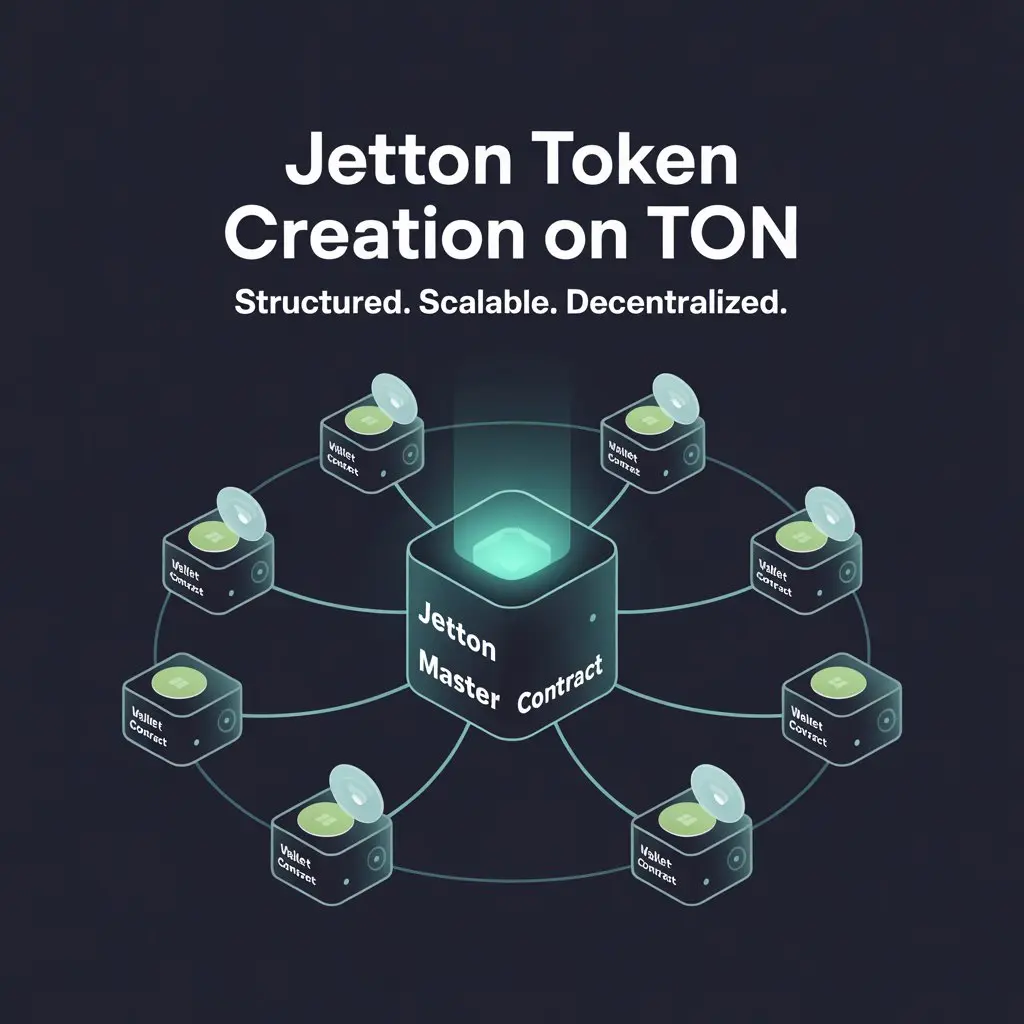
Creating Tokens on TON: A Beginner’s Guide to Jettons
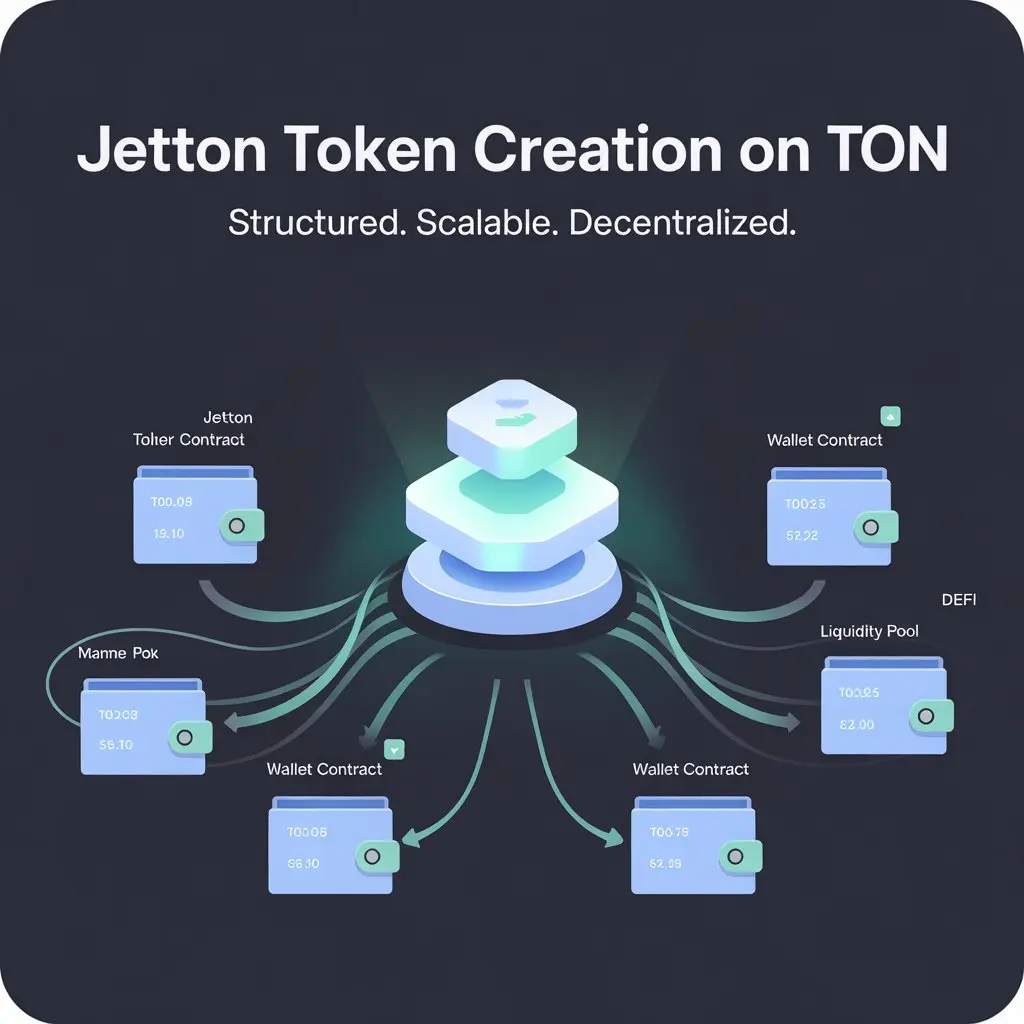
Token creation on TON follows a defined and accessible standard. On STONfi, tokens are based on the Jetton standard a system designed to support fungible assets within The Open Network. Jettons function similarly to tokens on other blockchains but are structured to integrate directly with TON’s architecture.
The process begins with deploying a Jetton master contract. This contract defines the token’s core parameters, including name, symbol, supply, and minting rules. From there, Jetton wallet contracts are generated for each holder. These w
TON-0,39%
post-image
post-image
  • Reward
  • Comment
  • Repost
  • Share
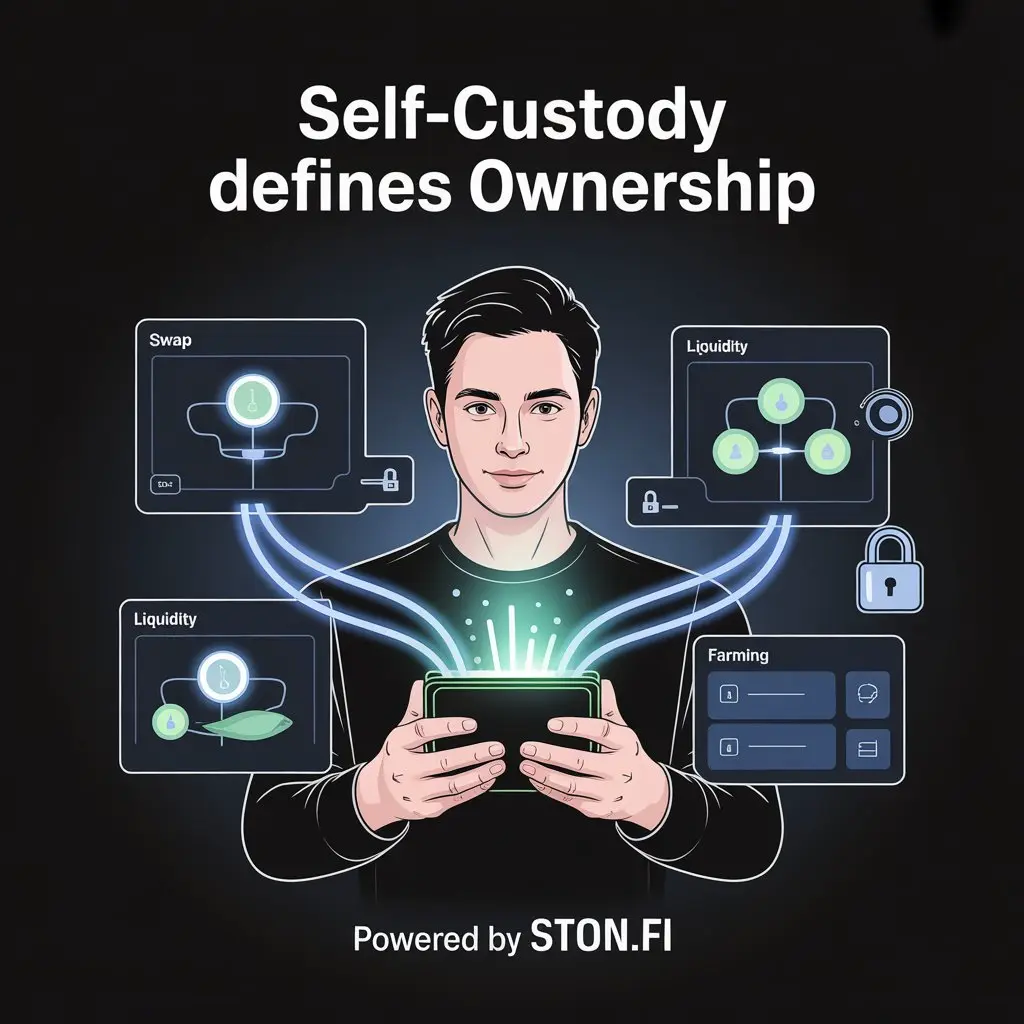
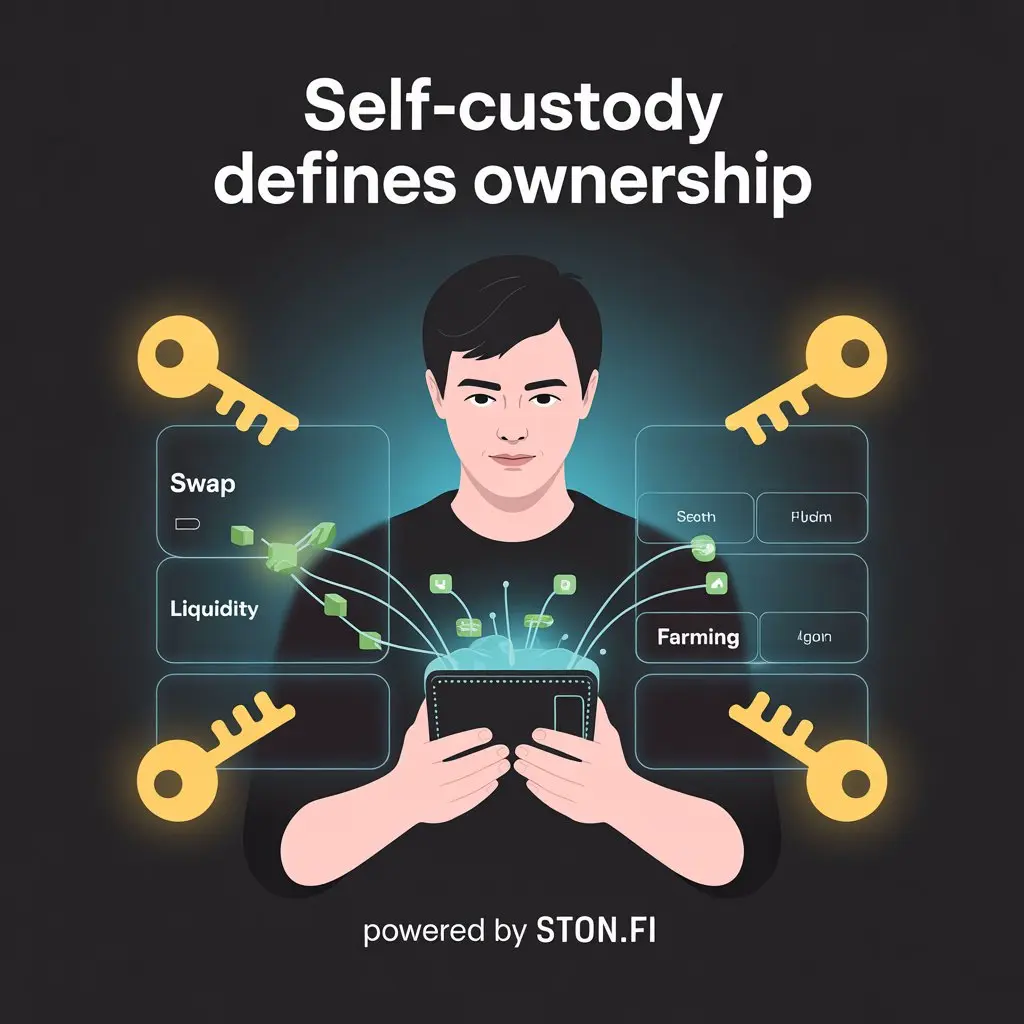
Self-Custody Defines How Assets Are Held on STONfi
In DeFi, ownership isn’t assumed it’s enforced through self-custody.
On STONfi, users don’t transfer control of their assets to the platform. Instead, they interact directly from their wallets, keeping full authority over their funds at every step.
The structure is straightforward.
Users connect a wallet, approve transactions, and execute swaps or liquidity actions without depositing assets into a centralized system.
This changes how risk is distributed.
Rather than relying on a third party to secure funds, responsibility stays with the user.
post-image
post-image
  • Reward
  • Comment
  • Repost
  • Share
Boost Farm APR Changes How Rewards Are Earned on STONfi
Earning in DeFi isn’t just about what you do it’s about how you combine actions.
On STONfi, Boost Farm APR introduces a more connected approach to rewards within The Open Network. Instead of relying only on farming, users can enhance their results by participating in multiple layers of the protocol.

The idea is simple but effective. Users provide liquidity to a pool and receive LP tokens. These tokens can then be used in farming to earn rewards. At the same time, staking STON unlocks additional benefits, including access to Boost Farm APR
TON-0,39%
post-image
post-image
  • Reward
  • Comment
  • Repost
  • Share
STONfi Expands Access Through Arculus Wallet
Access to DeFi on TON keeps getting easier.
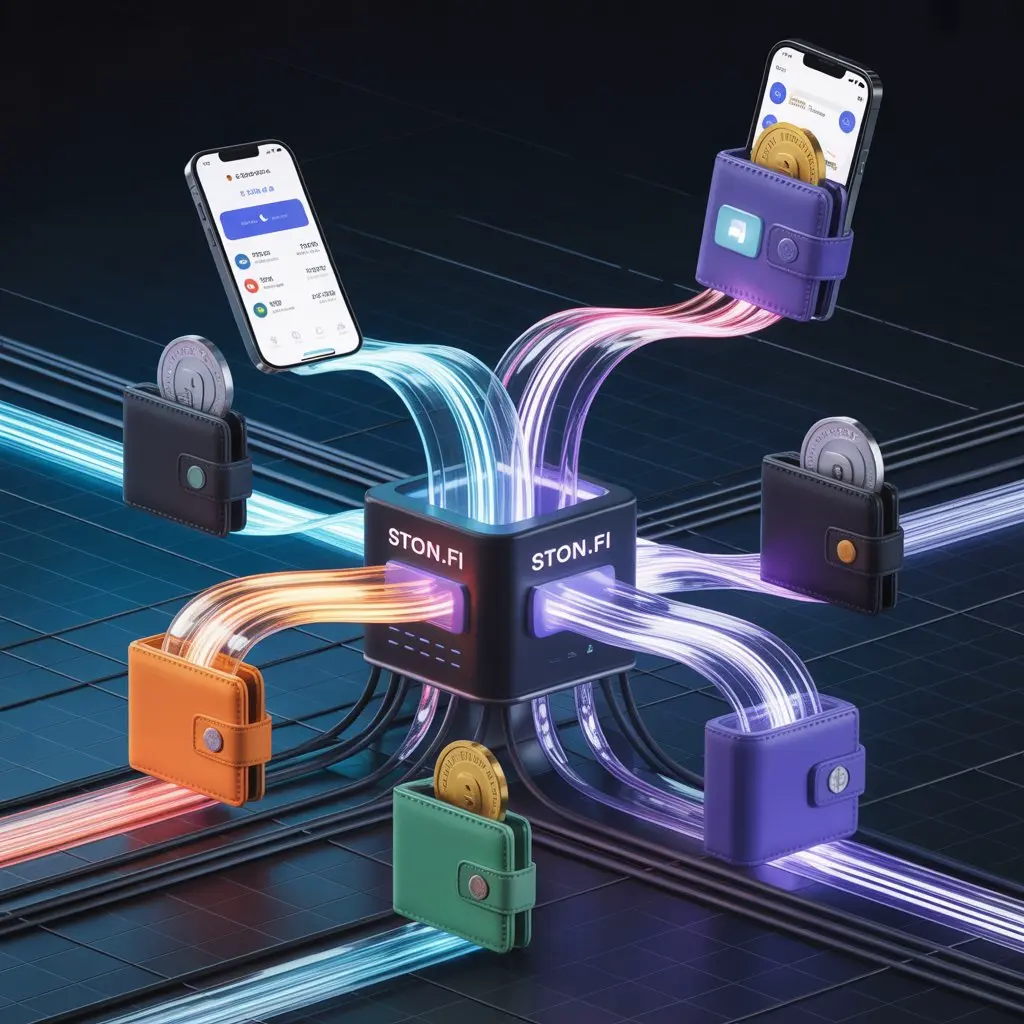
Users of Arculus Wallet can now connect directly to STONfi via WalletConnect, unlocking swaps, liquidity provision, and farming within a familiar wallet environment on The Open Network.
This integration combines secure self-custody with seamless access to DeFi tools. Arculus uses a card-based system with multi-factor authentication, allowing users to manage assets while interacting with on-chain applications.
The result is simple: users stay in a wallet they trust while accessing the full functionality of
TON-0,39%
WCT2,97%
post-image
post-image
  • Reward
  • Comment
  • Repost
  • Share
WalletConnect Unlocks Easier Access to STONfi
Connecting to DeFi on TON just got simpler.
With WalletConnect now supporting The Open Network, users can access STONfi directly from supported multi-chain wallets no need to switch to a TON-native wallet.
This means users can stay in the wallets they already use while interacting with STONfi for swaps, liquidity provision, and other DeFi activities.
The integration lowers the barrier to entry and makes it easier for new users to explore the TON ecosystem through STONfi.
As connectivity expands, STONfi becomes more accessible, bringing more users i
TON-0,39%
post-image
post-image
  • Reward
  • Comment
  • Repost
  • Share
  • Pin