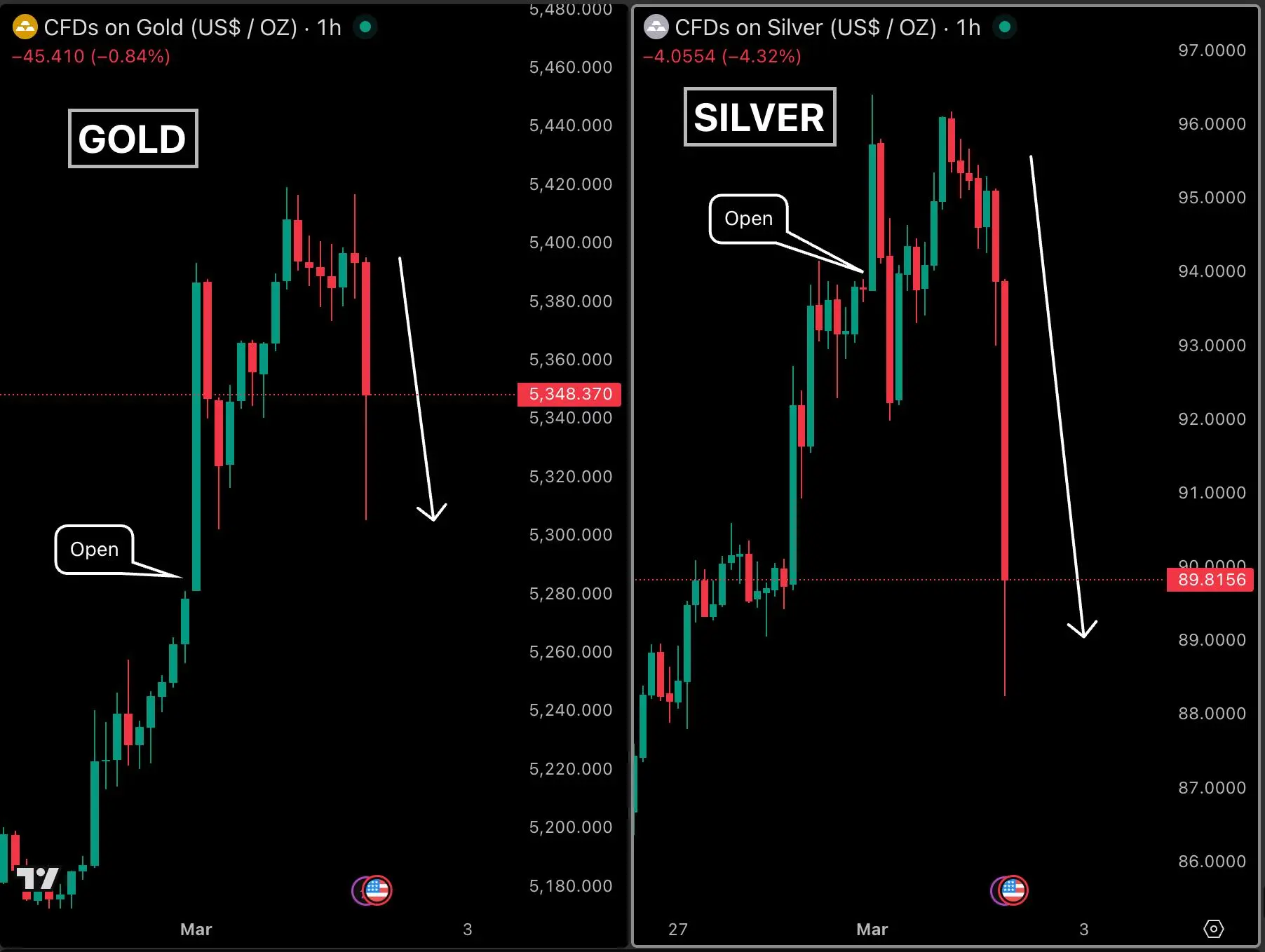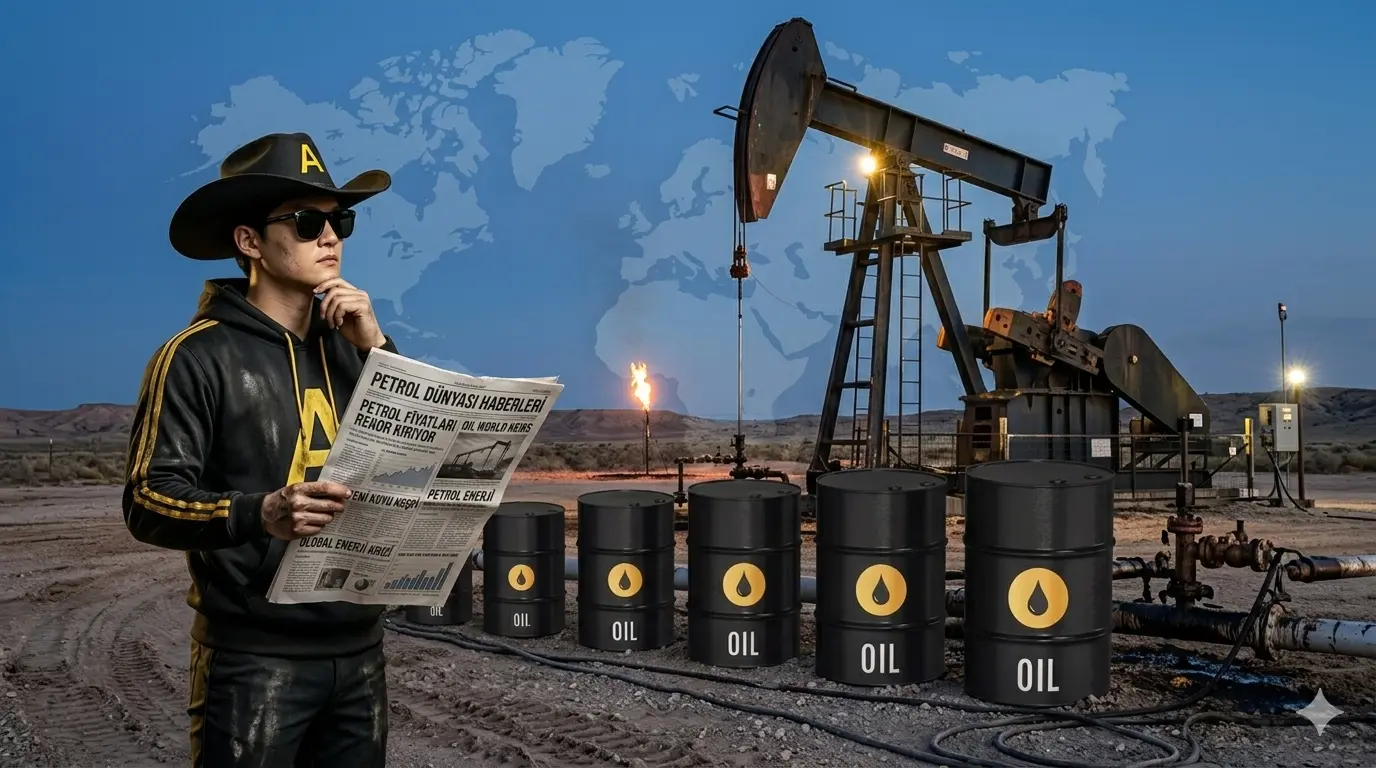
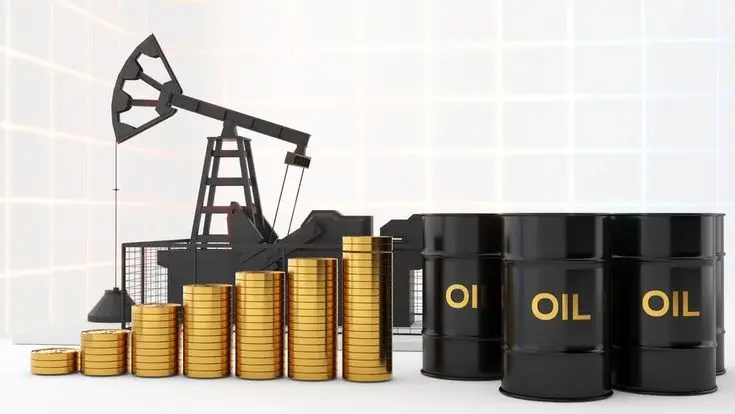
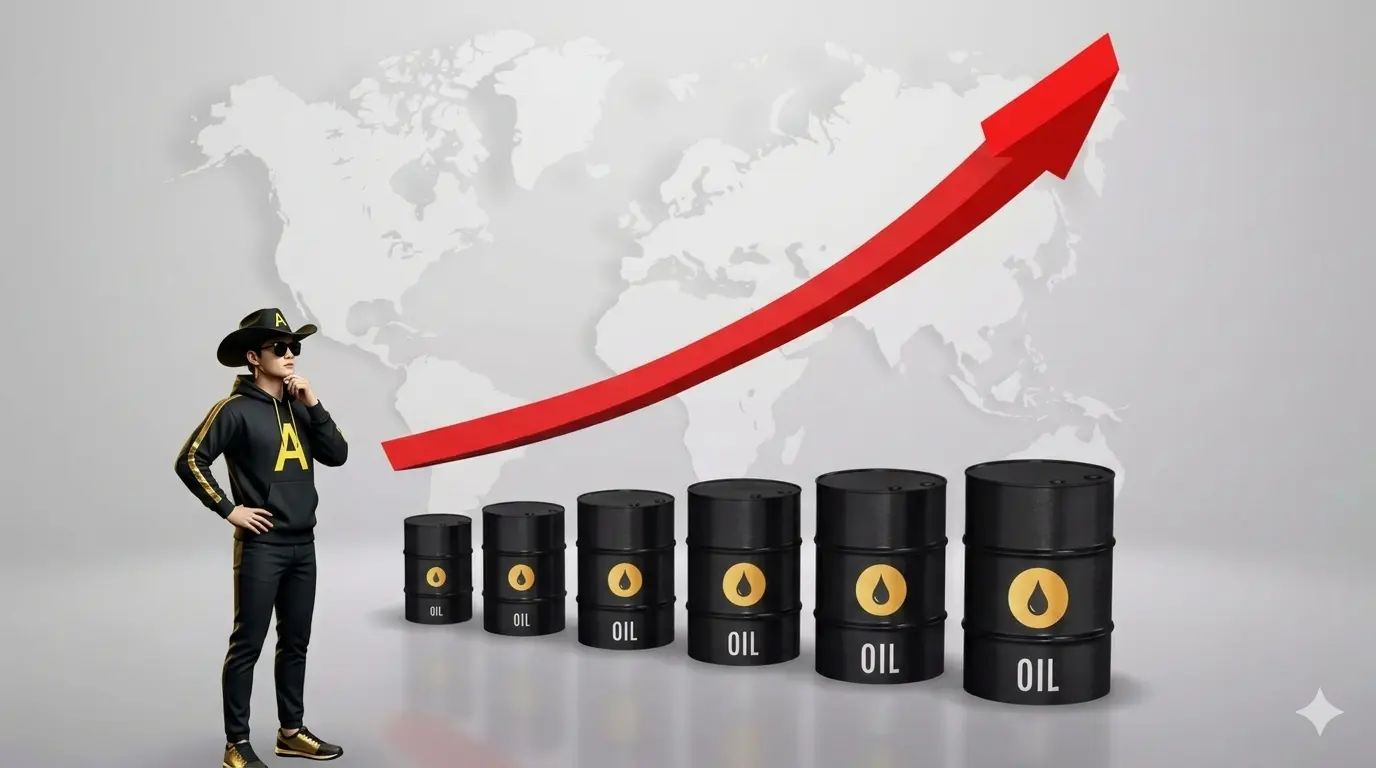
Under the dusty skies of the Middle East, the sirens fell silent just after midnight, but their echoes still rang in our ears. On the morning of March 2, 2026, when the world awoke and opened its curtains, the scene was the same: old hostilities had been reignited with a new flame. Jets from Washington and Tel Aviv had cast their shadows over strategic Iranian targets hours earlier. Tehran's response was swift; missiles shot up into the sky, shaking the waters of the Strait of Hormuz and altering the course of oil tankers overnight. No one knew exactly what would happen, but everyone felt the same thing: security was now a luxury. In New York, financial screens were painted black and gold instead of blood red. Brent opened at $73 a barrel and was challenging $83 by 8:00 AM. WTI briefly touched $75 before retreating, but the fire of the rise hadn't died down. Analysts whispered: "If the Strait closes, $100 is not a dream." Tanker insurance premiums had increased by 400% overnight, and some captains had already changed course to the Cape of Good Hope. The numbers on the pumps at gas stations seemed to be spinning on their own. At the same time, another story was unfolding in London and Tokyo. Gold, as it had for centuries, shone in the shadow of chaos. Starting at $5,263 per ounce, its journey had surpassed $5,420 in a few hours. In Turkey, the price of gold per gram jumped from around 7,800 to 8,100 lira, and shopkeepers in the Grand Bazaar were muttering, "This is a war price." Silver followed suit; beyond industrial demand, a wave of demand fueled by fear was sending metals soaring. Why were investors flocking to gold? Because with stocks falling, the dollar rising, and bonds trembling, only one truth remained: no one could guarantee the future. Gold and silver were doing what they had done for millennia; silently proclaiming, "I am here," amidst the uncertainty. Markets watched breathlessly. On one side, the routes of tankers, on the other, the ranges of missiles… Each new wave of news was shaking the price charts like an ocean. Some said, “This is a temporary panic,” while others warned, “A repeat of 1973 and 1979 is beginning.”
Later in the morning, another piece of news came from the Strait of Hormuz: the Iranian navy had brought several ships closer to the strait under the guise of “exercise.” Oil prices jumped once again. Gold, however, continued to climb calmly and slowly. As if an old sage were saying, “I’m not in a hurry.”
The world waited, holding its breath. Because this wasn’t just a dance of numbers. This was a story where the old continents were pregnant with a new conflagration, and even safe harbors were turbulent. And the story was just beginning.
#PreciousMetalsAndOilPricesSurge
Later in the morning, another piece of news came from the Strait of Hormuz: the Iranian navy had brought several ships closer to the strait under the guise of “exercise.” Oil prices jumped once again. Gold, however, continued to climb calmly and slowly. As if an old sage were saying, “I’m not in a hurry.”
The world waited, holding its breath. Because this wasn’t just a dance of numbers. This was a story where the old continents were pregnant with a new conflagration, and even safe harbors were turbulent. And the story was just beginning.
#PreciousMetalsAndOilPricesSurge


 :
: