What is Web 3.0, and how reliable is it?

What is Web 3.0, and how reliable is it?

Discover the fundamentals of Web3 for beginners: a complete guide to blockchain technology, a clear comparison between Web2 and Web3, instructions on investing in cryptocurrencies via Gate, the benefits of decentralization, and strategies to safeguard your information in the next-generation internet.
2026-01-13 06:05:45
What is STETH: A Comprehensive Guide to Liquid Staking and Ethereum 2.0 Rewards

What is STETH: A Comprehensive Guide to Liquid Staking and Ethereum 2.0 Rewards

Lido Staked Ether (stETH) revolutionizes Ethereum staking through innovative liquid staking, enabling users to earn rewards while maintaining asset liquidity without infrastructure maintenance. Ranking as the 9th largest cryptocurrency with $27.74 billion market capitalization and 292,522 holders, stETH addresses critical challenges in Ethereum 2.0 staking by allowing flexible participation at any amount. This comprehensive guide explores stETH's decentralized architecture, where professional validators secure the network and users receive stETH tokens representing staked ETH plus accumulated rewards updated daily. The protocol integrates seamlessly across major DeFi platforms on Gate and other leading exchanges, offering diverse application scenarios from yield farming to derivatives trading. Despite facing regulatory uncertainties and competition from alternative solutions like rETH and cbETH, stETH's market leadership, active community governance, and transparent ecosystem position it as a transformative f
2026-01-13 04:44:46
What is TRX: A Comprehensive Guide to Suspension Training and Its Benefits for Fitness

What is TRX: A Comprehensive Guide to Suspension Training and Its Benefits for Fitness

This comprehensive guide explores TRON (TRX), the 8th largest cryptocurrency by market capitalization with over 218 million holders, covering its technical architecture, market performance, and ecosystem applications. The article addresses key questions for cryptocurrency enthusiasts, investors, and developers seeking to understand TRON's decentralized infrastructure, Delegated Proof of Stake consensus mechanism, and role in DeFi and stablecoin innovation through USDD. Content spans TRON's origin story since 2017, major milestones including its designation as Dominica's national blockchain, and current market metrics with a peak price of $0.431288. The guide details how to participate through Gate.com, governance mechanisms via TRON DAO, and DApp development opportunities. Readers gain insights into TRON's competitive advantages in transaction speed and costs while understanding market volatility considerations and community sentiment across social platforms like X, equipping them with knowledge for informed
2026-01-13 04:43:15
What Is Kite? A Comprehensive Guide to the AI Agent Economy

What Is Kite? A Comprehensive Guide to the AI Agent Economy

Kite is a purpose-built Layer-1 blockchain that establishes the economic infrastructure for autonomous AI agents to operate as independent financial actors. The platform addresses a critical bottleneck: legacy financial systems designed for humans prevent AI agents from reaching their full potential. Kite solves this through its innovative SPACE framework, combining stablecoin nativity, programmable constraints, agent-first authentication, compliance orientation, and economically viable micropayments. The three-tier identity architecture enables secure delegation of financial authority while maintaining user control. With a capped supply of 10 billion KITE tokens, the network utilizes Proof-of-Stake security and state-channel technology for scalable, low-cost transactions. Founded by veterans from Databricks and Uber with academic pedigree from UC Berkeley and Princeton, Kite positions itself as infrastructure for the multi-trillion dollar agent economy. The mainnet launch represents a pivotal moment enabling
2026-01-13 02:23:36
Qué es Neo: La Plataforma de Contratos Inteligentes de China

Qué es Neo: La Plataforma de Contratos Inteligentes de China

Neo is an innovative blockchain platform launched in 2014 that combines digital identity with smart contracts and decentralized applications. The platform distinguishes itself through its delegated Byzantine Fault Tolerance consensus mechanism, enabling over 2,400 transactions per second with significantly lower energy costs than traditional blockchains. Neo supports multiple programming languages including Python, Java, C#, and Go, democratizing smart contract development for diverse developers. The dual-token model featuring NEO for governance and GAS for network operations creates a balanced ecosystem incentivizing participation. The N3 upgrade introduced advanced features like integrated oracles and distributed storage while reducing network fees by approximately 80%, strengthening Neo's competitiveness among smart contract platforms available on Gate and other major exchanges.
2026-01-13 00:53:04
DOOD: The Native Utility Token of the Doodles NFT Ecosystem

DOOD: The Native Utility Token of the Doodles NFT Ecosystem

DOOD is the utility token powering the Doodles NFT ecosystem, launched on Solana in May 2025 with a 10 billion token maximum supply. Beyond speculative trading, DOOD enables avatar customization, DAO governance voting, creator grants, and exclusive event access, creating genuine utility within the creative economy. The token features deflationary mechanisms through burning and staking, incentivizing long-term community participation. Backed by a talented team including Pharrell Williams as Chief Brand Officer and supported by prominent venture firms, DOOD represents the maturation of NFT projects from collectibles to functional platforms. While offering compelling investment potential through cultural significance and practical applications, investors should consider NFT market volatility and execution risks. DOOD appeals to those valuing ecosystem participation and digital identity integration over short-term speculation.
2026-01-13 00:26:37
What is Recall Network? A Technical Guide to the AI Skills Market Token

What is Recall Network? A Technical Guide to the AI Skills Market Token

Explore the Recall Network Token—its fundamentals and functionality. $RECALL serves as the native token for the decentralized AI platform built on Base blockchain, supporting staking, governance, and AI agent funding. Get in-depth insights into tokenomics, use cases for the Recall token, step-by-step instructions for purchasing on Gate, and future price projections for Recall cryptocurrency across the blockchain ecosystem.
2026-01-12 22:54:34
What Is Aerodrome (AERO Coin)? A Comprehensive Guide to Trading and Understanding

What Is Aerodrome (AERO Coin)? A Comprehensive Guide to Trading and Understanding

This comprehensive guide explores AERO, the native utility token powering Aerodrome, a decentralized exchange and AMM built on Base Layer-2. AERO serves three critical functions: governance through veAERO voting, liquidity incentivization via emission distribution, and revenue sharing from protocol fees. With approximately 614 million tokens in circulation and inflationary tokenomics balanced by buyback mechanisms, AERO has achieved significant milestones including $100 billion cumulative trading volume. The token enables decentralized decision-making on protocol parameters while providing passive income opportunities. For DeFi participants on Base, AERO represents both a governance mechanism and yield-generating asset, supported by Slipstream's concentrated liquidity innovation and strong community adoption across major trading platforms.
2026-01-12 22:32:09
What is YGG (Yield Guild Games): Guild Gaming NFT Innovation

What is YGG (Yield Guild Games): Guild Gaming NFT Innovation

Yield Guild Games is a decentralized autonomous organization pioneering blockchain gaming by combining NFTs with play-to-earn mechanisms to create sustainable virtual gaming economies. Founded in 2020 by Gabby Dizon and Beryl Li, YGG generates revenue through strategic NFT investments and asset rentals while providing gaming communities with genuine earning opportunities across platforms like Axie Infinity and The Sandbox. The YGG token serves as both governance and exchange medium within the ecosystem, featuring structured vesting schedules that align stakeholder interests. The platform operates through smart contracts, guild gaming systems, and DAO governance, enabling transparent and trustless participation. YGG's selective partnerships with virtual land-enabled, DeFi-integrated games position it as a leader in the metaverse economy. As mainstream interest in blockchain gaming and virtual worlds accelerates, YGG represents a compelling investment opportunity at the intersection of gaming, NFTs, and decentr
2026-01-12 21:54:15
AMA: What Does It Mean in the Crypto World?

AMA: What Does It Mean in the Crypto World?

This article provides a comprehensive guide to Understanding AMA (Ask Me Anything) in the cryptocurrency world. AMAs serve as essential interactive forums where crypto projects, developers, and industry leaders directly engage with community members on platforms like Reddit, Telegram, Discord, and YouTube. The guide explores why AMAs are popular, highlighting their role in fostering transparency, building trust, and enabling crowdsourced innovation within the decentralized ecosystem. It covers key advantages including deep project understanding and professional networking opportunities, while addressing disadvantages such as information verification challenges. The article offers practical strategies for hosting successful crypto AMAs, from thorough preparation and strategic promotion to active engagement and post-session follow-up. Whether you're a crypto investor seeking market insights, a community member wanting to deepen your blockchain knowledge, or a project team planning engagement sessions, this reso
2026-01-12 21:44:08
Dutch Auction: What is it? How does it work in the world of Cryptocurrency?

Dutch Auction: What is it? How does it work in the world of Cryptocurrency?

This comprehensive guide explores Dutch auctions in cryptocurrency, a descending-price mechanism that starts high and gradually decreases until buyers accept the current price. The article explains how Dutch auctions democratize token distribution through equal participation opportunities and transparent price discovery, contrasting them with traditional ascending auctions. It examines real-world implementations, including Algorand's 2019 auction that raised $60 million, and highlights key benefits like market transparency and fair pricing alongside drawbacks such as reduced investor control and price volatility. The guide addresses investor risks, price mechanisms, and why major cryptocurrency projects now prefer Dutch auctions for token sales and NFT launches on platforms like Gate, positioning this model as essential for the future of decentralized asset distribution.
2026-01-12 16:34:10
AMA: What Does It Mean in the Crypto World?

AMA: What Does It Mean in the Crypto World?

This comprehensive guide explores AMA (Ask Me Anything) as a cornerstone communication tool in cryptocurrency communities. It covers what AMAs are, their significance in the crypto industry, and why they've become essential for project teams and community engagement. The article examines key advantages including direct access to experts, transparency promotion, and networking opportunities, alongside disadvantages such as misinformation risks and limited question coverage. It provides practical strategies for hosting successful AMAs across platforms like Gate, Reddit, Discord, and Twitter Spaces, emphasizing pre-planning, promotion, and post-session follow-up. The guide also addresses participation risks and best practices for community members. Whether you're a project founder, investor, or crypto enthusiast, this resource equips you with actionable insights for maximizing AMA value and building stronger blockchain communities through authentic dialogue and transparent communication.
2026-01-12 11:48:12
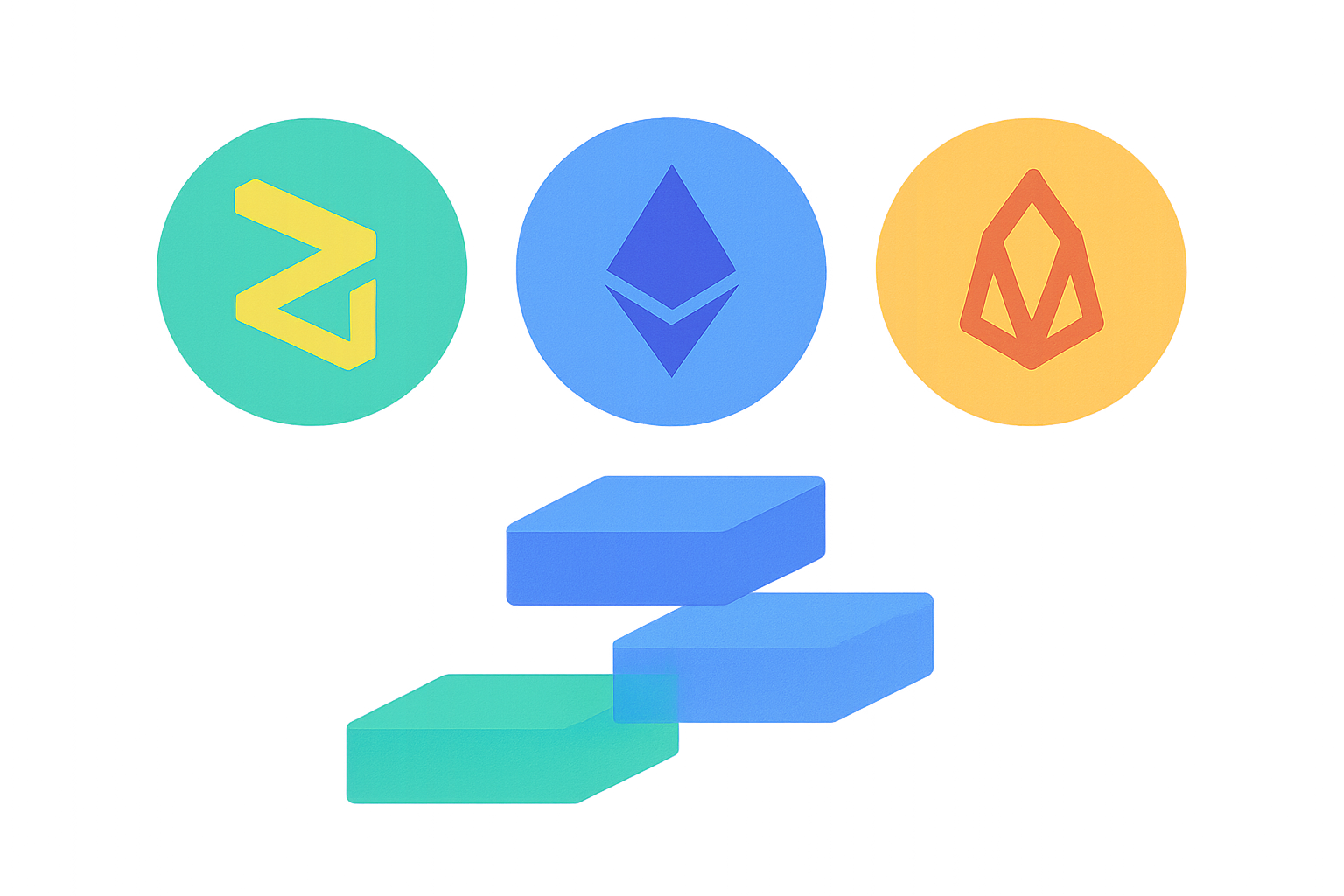
How Does ZIL Community Activity and Developer Engagement Compare to ETH and EOS in 2026?

How Does ZIL Community Activity and Developer Engagement Compare to ETH and EOS in 2026?

This comprehensive analysis examines Zilliqa's community activity and developer engagement against Ethereum and EOS throughout 2026. While ZIL's Telegram community of 26,264 members represents approximately 52% of ETH and EOS populations, the platform demonstrates strong developer quality over quantity with robust open-source contributions and strategic sharding technology advantages. The article explores ZIL's governance framework using GZIL tokens for transparent participation, developer incentive programs prioritizing measurable contributions, and DApp growth within high-throughput blockchain ecosystems. Discover how Zilliqa's modular architecture, ecosystem activity, and sustainable retention mechanisms position it competitively against established networks, despite smaller social media presence, through tangible value creation and technical innovation on Gate and other platforms.
2026-01-12 08:34:35
What Is a DAO: Decentralizing Organizational Governance

What Is a DAO: Decentralizing Organizational Governance

Comprehensive guide to DAOs (Decentralized Autonomous Organizations). Explore how DAOs function on the blockchain, the advantages of decentralized governance, their operational frameworks, and investment strategies for DAOs. Review leading examples such as MakerDAO, Uniswap, and Aave.
2026-01-12 07:53:34
What Is a Bonding Curve in Crypto and How Does It Work?

What Is a Bonding Curve in Crypto and How Does It Work?

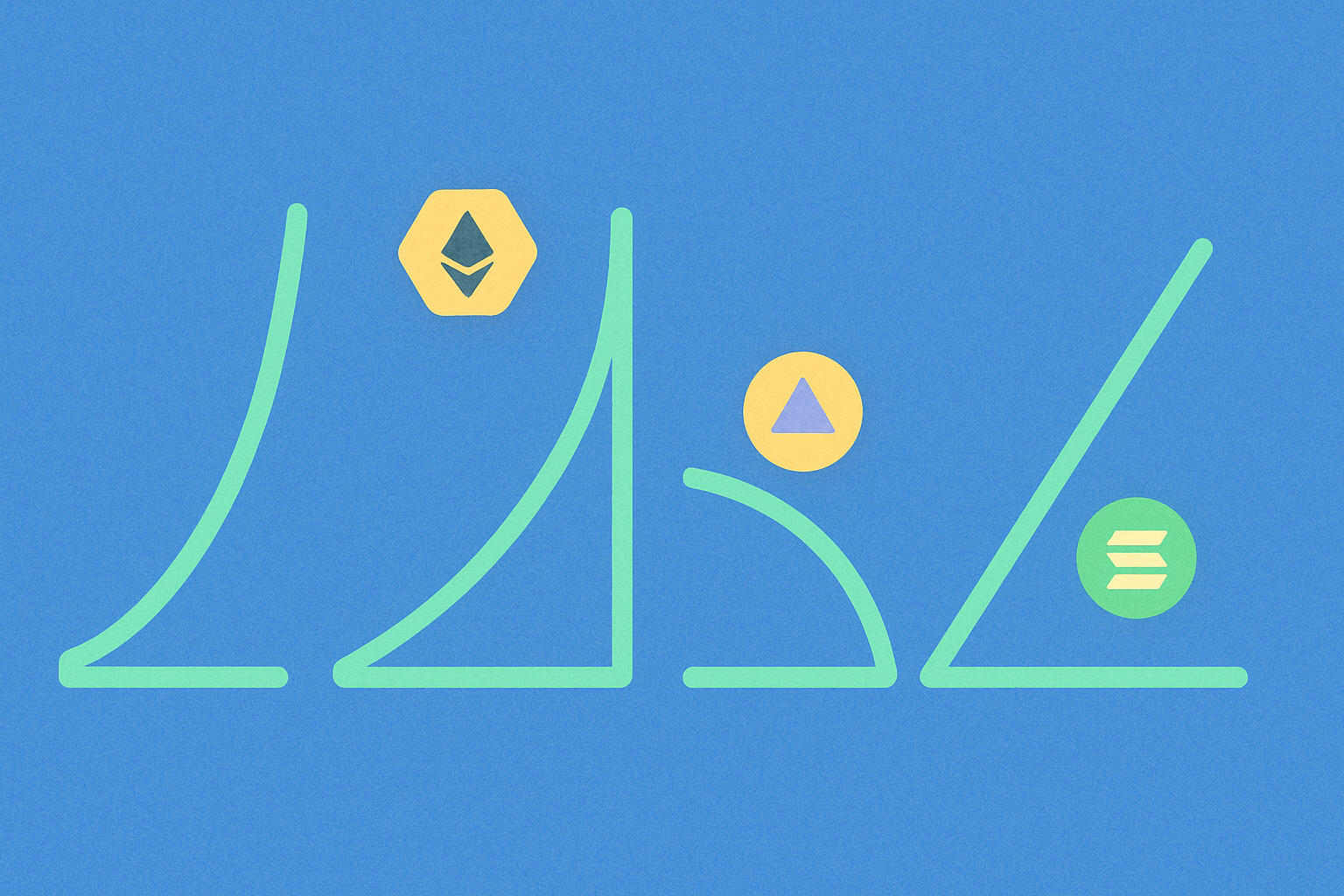
This comprehensive guide explores bonding curves, a sophisticated automated market maker mechanism that dynamically adjusts token prices based on supply through mathematical algorithms. Designed for crypto investors, developers, and DeFi participants, the article explains how bonding curves enable decentralized token pricing, continuous liquidity, and fair market access without traditional exchanges. It covers fundamental concepts like the curve's core functions, practical implementations in token sales (such as Pump.fun on Solana), DeFi protocols, stablecoins, and DAOs, while examining four primary curve types: sigmoid, quadratic, negative exponential, and linear. The guide details significant advantages including transparent pricing and bootstrap funding, alongside critical risks like volatility, whale manipulation, and regulatory considerations. Readers gain practical insights into understanding bonding curve economics before participating in crypto projects utilizing this innovative mechanism.
2026-01-12 07:28:44