UK Launches Digital Bond DIGIT Pilot, Collaborates with HSBC and Ashurst to Secure G7 First, Exploring a New Model for Blockchain Sovereign Bond Issuance
UK Secures G7 First, HSBC and Ashurst Join Forces to Lead
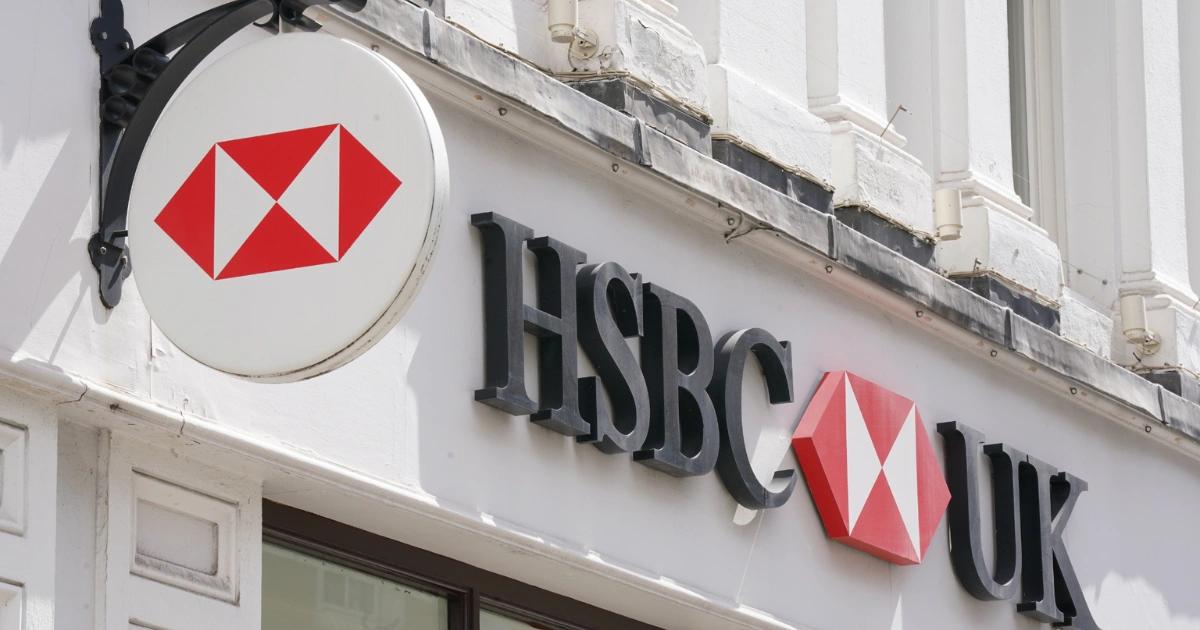
The UK Treasury recently announced that it has selected HSBC Holdings, Europe’s largest asset bank, and internationally renowned law firm Ashurst to jointly lead its Digital Gilt pilot program. This initiative, called Digital Gilt Instrument (DIGIT), signifies the UK’s effort to become the first G7 country to directly issue sovereign bonds on the blockchain.
According to official statements, digital gilts refer to government bonds issued as digital tokens on a distributed ledger system (DLT).
This collaboration is not only a technological experiment but also a concrete response to market criticism. Although UK Chancellor Rachel Reeves revealed the pilot concept as early as late 2024, compared to regions like Hong Kong and Luxembourg that have already completed digital sovereign bond issuances, the UK’s progress was considered somewhat behind. The Treasury’s selection of HSBC and Ashurst aims to leverage top-tier financial technology and legal expertise to ensure that UK-regulated digital assets are competitive in legal and enforcement aspects.

Image source: Bloomberg UK Treasury Minister Rachel Reeves
The plan will operate within the Digital Securities Sandbox (DSS) established by the Bank of England. This regulated experimental environment allows financial innovation to be tested with relaxed regulatory restrictions, providing a safe and flexible incubator for tokenized government securities. Through this pilot, the UK government aims to formalize the legal status of digital assets and demonstrate its leadership in financial innovation globally.
Rooted in the Digital Securities Sandbox, HSBC Orion’s Strong Technical Foundation
On the technical side, the DIGIT pilot will fully utilize HSBC’s Orion blockchain platform. Launched in 2023, HSBC Orion is designed for institutional clients, aiming to digitize traditional financial assets and settlement currencies. The platform offers strong integration capabilities, connecting to global clearing networks and streamlining transaction and back-office processes for institutions.
Patrick George, HSBC’s Global Head of Markets and Securities Services, stated that the UK is HSBC’s home market and, as the sixth-largest economy globally, HSBC is honored to support innovation in the bond market and overall economic growth.
HSBC Orion is not just a framework; it has extensive experience in digital bonds. To date, the platform has facilitated over 3.5 billion in digital bond issuances worldwide, including GBP-denominated bonds issued for the European Investment Bank (EIB) under Luxembourg regulations, and multi-currency green bonds issued by the Hong Kong government, totaling up to 1.3 billion in value—one of the largest tokenized debt sales globally.
According to the pilot plan, DIGIT will involve a “native digital” short-term instrument with on-chain settlement. It’s noteworthy that this experimental bond will operate independently of the UK government’s existing major debt management programs to ensure the pilot does not disrupt traditional sovereign debt markets. The Treasury is also engaging with other vendors to build this digital infrastructure, aiming to support more diverse tokenized financial products in the future.
Pursuing Atomic Settlement Efficiency to Significantly Reduce Operational and Administrative Costs
The core driver behind the UK’s push for digital gilts is “efficiency.” HSBC has stated that issuing digital government and corporate bonds on the blockchain has enormous potential to improve the structure of the UK debt capital market, with the most notable advantage being a significant reduction in settlement times. Traditional bond markets often require several days for settlement, but with blockchain’s atomic settlement technology, transactions can be completed instantly, reducing capital lock-up and liquidity risks for market participants.
Beyond speed, digital operations can also greatly lower operational costs. Smart contracts automate administrative processes such as coupon payments and redemptions, allowing governments and financial institutions to reduce reliance on manual operations, decrease errors, and streamline back-office expenses.
Lucy Rigby, UK Treasury’s Economic Secretary, emphasized that the government hopes to use the DIGIT pilot to explore how distributed ledger technology (DLT) can attract investment and position the UK as the most business-friendly location globally.

Image source: X/@LucyRigby UK Treasury Economic Secretary Lucy Rigby
Rigby further pointed out that this financial innovation is key to maintaining the UK’s leading position in global capital markets. The digital gilt pilot is not just a technological “digitization” but an upgrade of market structure, aiming to establish a more inclusive, transparent, and accessible secondary market. For investors, this means lower entry barriers and higher market liquidity; for issuers, it translates into more efficient financing and modern debt management.
Legal and Tax Frameworks Still Need Refinement; Challenges in Transitioning to a Financial Powerhouse
Despite strong technical foundations and government support, the UK’s digital gilts face numerous challenges before moving from “pilot” to “mainstream adoption.”
Ashurst’s Digital Assets Lead Etay Katz stated that his team has extensive experience in digital asset transactions and looks forward to supporting the government in this transformative pilot.
However, industry experts generally agree that for digital gilts to become a regular tool in the UK debt market, existing legal and tax frameworks must be clarified and revised.
Currently, ambiguities remain in how digital assets are taxed, ownership rights, and collateral recognition—areas that are often incompatible with traditional legal systems. Without clear legal backing, mainstream institutional investors may hesitate to participate, limiting the market’s depth. Therefore, another key task of this pilot is to gather data and case studies within the sandbox environment to inform future regulatory frameworks.
Meanwhile, global competition persists. Hong Kong Financial Secretary Paul Chan recently announced plans to promote tokenized green bond issuance as a regular practice, signaling strong determination among other financial centers to compete for the “digital asset capital.” While the UK has platforms like HSBC Orion, policy implementation speed still needs to accelerate.
As the Treasury states, this competition over sovereign bond digitization is fundamentally a contest for control over future financial market infrastructure. Only countries that can balance efficiency and security will succeed in the future digital financial landscape.
Disclaimer: The information on this page may come from third parties and does not represent the views or opinions of Gate. The content displayed on this page is for reference only and does not constitute any financial, investment, or legal advice. Gate does not guarantee the accuracy or completeness of the information and shall not be liable for any losses arising from the use of this information. Virtual asset investments carry high risks and are subject to significant price volatility. You may lose all of your invested principal. Please fully understand the relevant risks and make prudent decisions based on your own financial situation and risk tolerance. For details, please refer to
Disclaimer.


