


Bitcoin Depot sued for assisting crypto scams, announces mandatory identity verification for each ATM transaction
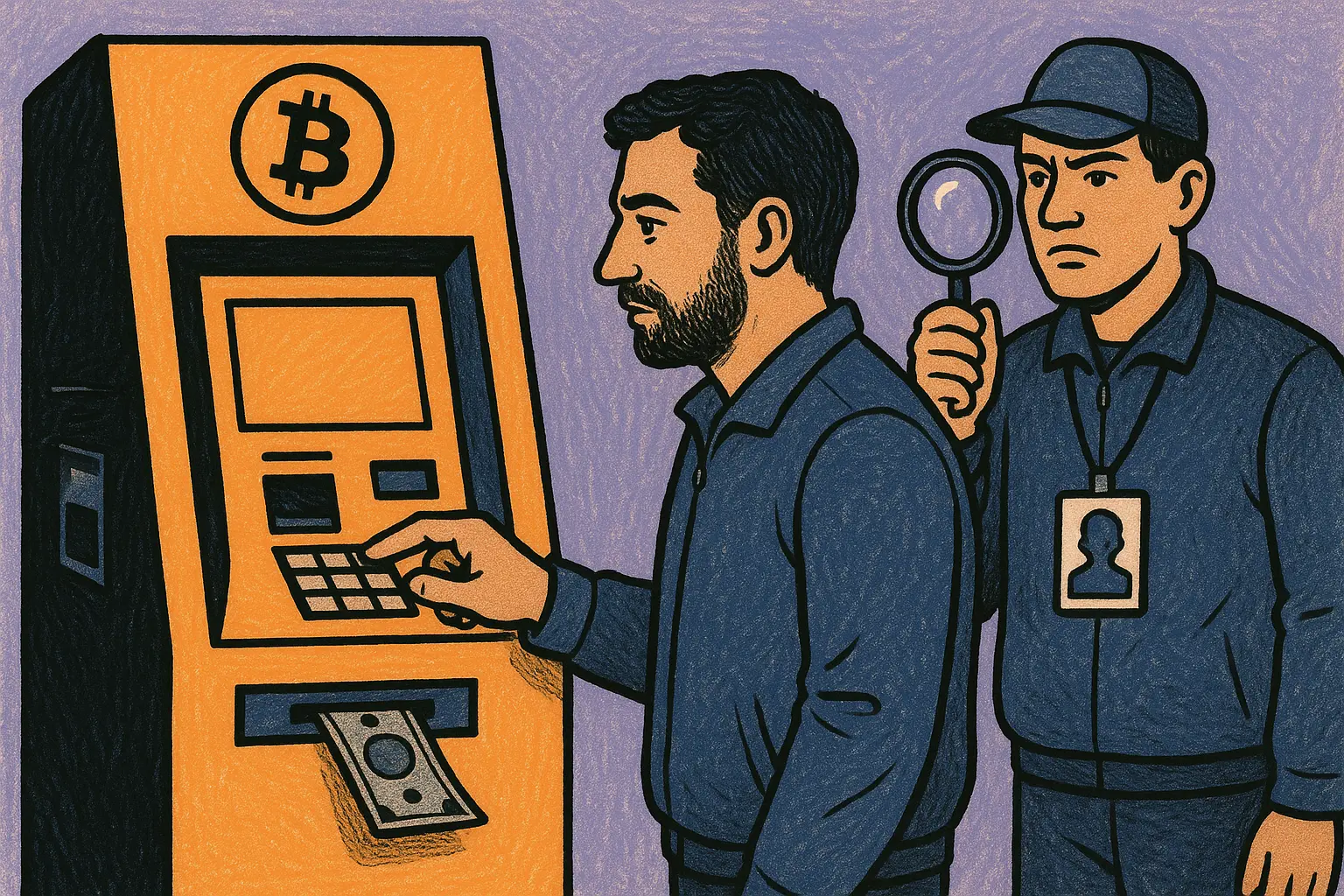
Headquartered in Atlanta, cryptocurrency ATM operator Bitcoin Depot announced that customers will be required to present identification documents each time they use its ATMs. Previously, the company only conducted a one-time verification when customers first used the service. This policy has begun phased implementation earlier this month and is described by the company as a “major advancement” in preventing fraud and money laundering.
Policy Shift: From One-Time Verification to Verification for Each Transaction
(Source: Bitcoin Depot)
Bitcoin Depot CEO Scott Buchanan told the media, “Verifying identity with each transaction helps us detect behavioral patterns that may not be apparent during initial registration. Bitcoin Depot takes this very seriously, and we will continue to prioritize customer trust and safety.”
The company, which operates approximately 8,800 ATMs across North America, began requiring customers to provide identification information during their first use last October. Previously, customers only needed to provide a phone number for smaller transactions. The rollout of mandatory verification for each transaction represents a significant upgrade to Bitcoin Depot’s identity verification mechanisms, aiming to curb account sharing, identity theft, and account hacking.
Legal Pressures in Various States: Massachusetts Lawsuit and Multiple Prosecutions
Bitcoin Depot’s compliance upgrades are occurring amid mounting legal pressures:
Massachusetts: Attorney General Andrea Campbell filed a lawsuit this month accusing Bitcoin Depot of “knowingly facilitating cryptocurrency scams while removing safeguards against fraud for personal gain”; the lawsuit seeks to prohibit transactions over $10,000 and establish a victim refund mechanism.
Iowa: A lawsuit was filed last year on similar charges; the Iowa Supreme Court ruled that Bitcoin Depot can retain cash deposits related to scams.
Maine: Bitcoin Depot reached a $1.9 million settlement with the Consumer Credit Protection Bureau, agreeing to refund scam victims.
Texas: Last year, law enforcement used power tools to pry open a Bitcoin Depot ATM in an attempt to recover scam funds.
Under the dual pressures of lawsuits and public opinion, Bitcoin Depot’s stock price fell 6.7% to $5.37 on Tuesday, marking an 80% decline over the past six months.
Current Industry Status of Crypto ATM Scams
Transactions on the Bitcoin network are irreversible, making crypto ATMs high-risk channels for scammers to transfer funds, especially targeting seniors. According to FBI statistics, by 2025, Americans will have lost up to $333 million to scams involving crypto ATMs.
Scammers often impersonate government agencies or tech support personnel, guiding victims to deposit or transfer funds at ATMs before disappearing. The American Association of Retired Persons (AARP) reports that 14 states have enacted specific laws targeting crypto ATMs, with California and Texas imposing strict single-transaction limits.
Frequently Asked Questions
Why didn’t Bitcoin Depot require verification for each transaction before?
Previously, Bitcoin Depot only verified identity once during the initial service registration. The company believed this was sufficient to identify users, but lawsuits in Massachusetts and Iowa pointed out that this approach left vulnerabilities, such as enabling account sharing or third-party operations.
What is the practical impact of transaction-by-transaction verification for regular users?
Requiring ID proof before each ATM use means the transaction process will take longer. For legitimate users, this mainly adds extra steps; for scam victims, this verification process theoretically provides an additional layer of protection, giving ATM operators a chance to identify potential scams before completing transactions.
What are the main regulatory requirements for crypto ATMs across US states?
Currently, 14 states have enacted specific laws targeting crypto ATMs, with some (like California and Texas) imposing strict single-transaction limits. The Massachusetts lawsuit further pushes for court-mandated changes to Bitcoin Depot’s business model, including victim refund procedures, setting an important precedent in industry regulation.
Related Articles
Is Avalanche (AVAX) About to Repeat Its 2020 Magic Against Bitcoin? This Emerging Fractal Suggest So!
Bitcoin Technical Shock: Weekly RSI Undercuts Mt. Gox, 2018 Bear Market, and COVID Crash
El Salvador introduces Bitcoin Diploma 2.0, incorporating Bitcoin education into the national curriculum system
Bitcoin price fluctuates but adoption hits new highs: institutions, banks, and countries accelerate BTC reserve deployment