


Chan Mo-po: Hong Kong's stablecoin licenses to be issued in early March, digital asset bill to be submitted within the year
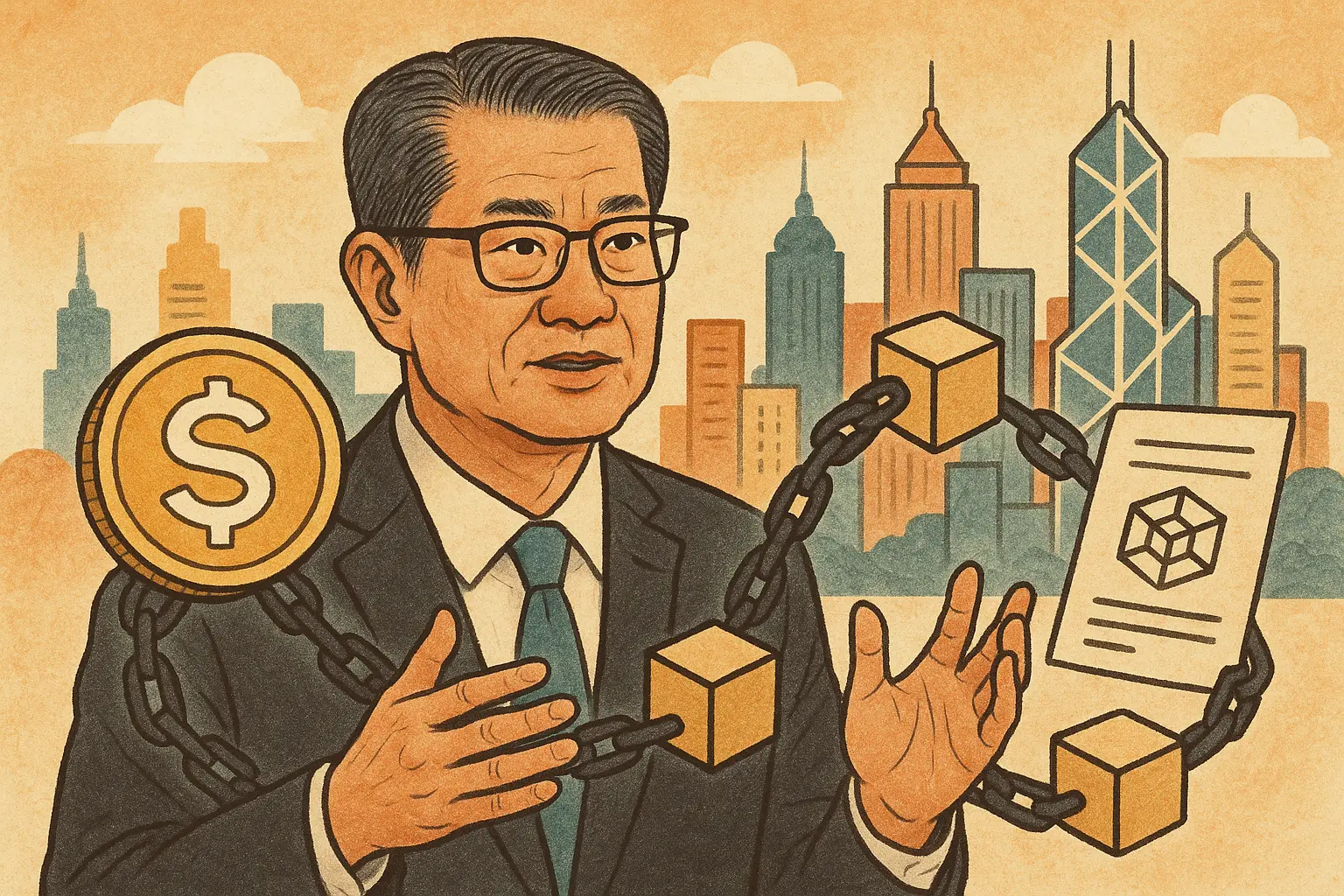
The Financial Secretary of the Hong Kong Special Administrative Region Government, Paul Chan, announced in the Budget 2026 on February 25 that Hong Kong has officially implemented the licensing system for fiat currency stablecoin issuers, and the first batch of licenses will be issued in March. Chan also said that the government will submit a digital asset policy bill within this year to establish a complete licensing regulatory framework for digital asset trading and custody service providers, further establishing Hong Kong’s leading position in the global digital asset regulatory system.
Hong Kong’s Stablecoin Licensing System: Policy Implications for the First Batch of Licenses
The “Budget 2026” clearly promotes Hong Kong’s stablecoin regulatory system from the legislative stage to the implementation stage. Chan confirmed that the first batch of fiat stablecoin issuer licenses will be officially issued in March, marking Hong Kong as one of the world’s first major financial centers to complete the implementation of the fiat stablecoin licensing system.
The Hong Kong Securities and Futures Commission (SFC) will also further promote the liquidity of Hong Kong’s digital asset market, open up more products and services for professional investors, and establish an accelerator mechanism to promote market innovation under the premise of fully protecting investors.
Important timeline for digital asset policy for the year
March: The first batch of fiat currency stablecoin issuer licenses were issued, and the system officially entered the implementation stage
The first half of the year: The Hong Kong Stock Exchange consulted the market on specific plans to promote the T+1 settlement cycle
During the year: Submitting a bill on digital asset policy, covering the licensing system for trading and custody service providers
During the year: The SFC has partnered with the industry to launch a market regime for paperless securities to accelerate the digitization of financial infrastructure
Digital Asset Bill: The scope and depth of the legislative framework
The Digital Asset Bill announced by Paul Chan this year will officially extend the current regulatory framework that only applies to stablecoin issuers to digital asset trading platforms and asset custody service providers. This means that the three core links of Hong Kong’s digital asset ecosystem - stablecoin issuance, trading platform operation, and asset custody management - will be systematically supervised under the same legal framework.
On the basis of this legislation, the SFC will simultaneously promote market liquidity improvement measures, open up more digital asset products to professional investors, and support the market to innovate within the compliance framework through institutionalized accelerator mechanisms. The Hong Kong Stock Exchange will also consult the market in the first quarter on issues such as optimizing the IPO process, facilitating secondary listings of overseas issuers, and providing more flexibility for biotechnology and specialist technology companies to apply for listing, indicating that Hong Kong’s overall capital market is simultaneously promoting structural upgrades.
Frequently Asked Questions
When will the first licenses for Hong Kong’s fiat stablecoin licensing system be issued?
According to Financial Secretary Paul Chan’s announcement in the Budget 2026, the first batch of fiat currency stablecoin issuer licenses in Hong Kong will be officially issued in March 2025, marking the official entry of Hong Kong’s stablecoin regulatory system from legislative formulation to the actual implementation stage.
What services will be covered by the digital asset bill submitted during the year?
According to Paul Chan’s announcement, the bill will establish a licensing regime for service providers such as digital asset trading and custody. This means that in addition to the existing stablecoin issuance supervision, digital asset trading platforms and asset custody services will also be included in Hong Kong’s unified licensing regulatory system.
What is the impact of Hong Kong’s stablecoin regulatory framework on the crypto industry?
The issuance of the first batch of licenses will attract compliant stablecoin issuers to establish a presence in Hong Kong, while the bill this year will establish a complete legal framework for the overall digital asset ecosystem. The combination of the two will help boost institutional investor confidence in Hong Kong’s digital asset market and strengthen Hong Kong’s competitive position as a digital asset regulatory hub in Asia.
Related Articles
Vitalik Buterin supports AI company Anthropic in resisting White House military technology usage demands
OpenAI CEO: Humans are more wasteful and less valuable than AI; anti-human remarks anger netizens
Hong Kong advances the implementation of the tokenized bond platform and connects with the regional tokenization center. Stablecoin license issuance begins in March.
Trump's State of the Union address made no mention of cryptocurrencies and did not signal a rate cut, with high interest rate expectations suppressing Bitcoin and risk assets.