


Prince Group Money Laundering 10.7 Billion Exposed, Leader Chen Zhi and 61 Others Prosecuted by Taipei District Prosecutors Office
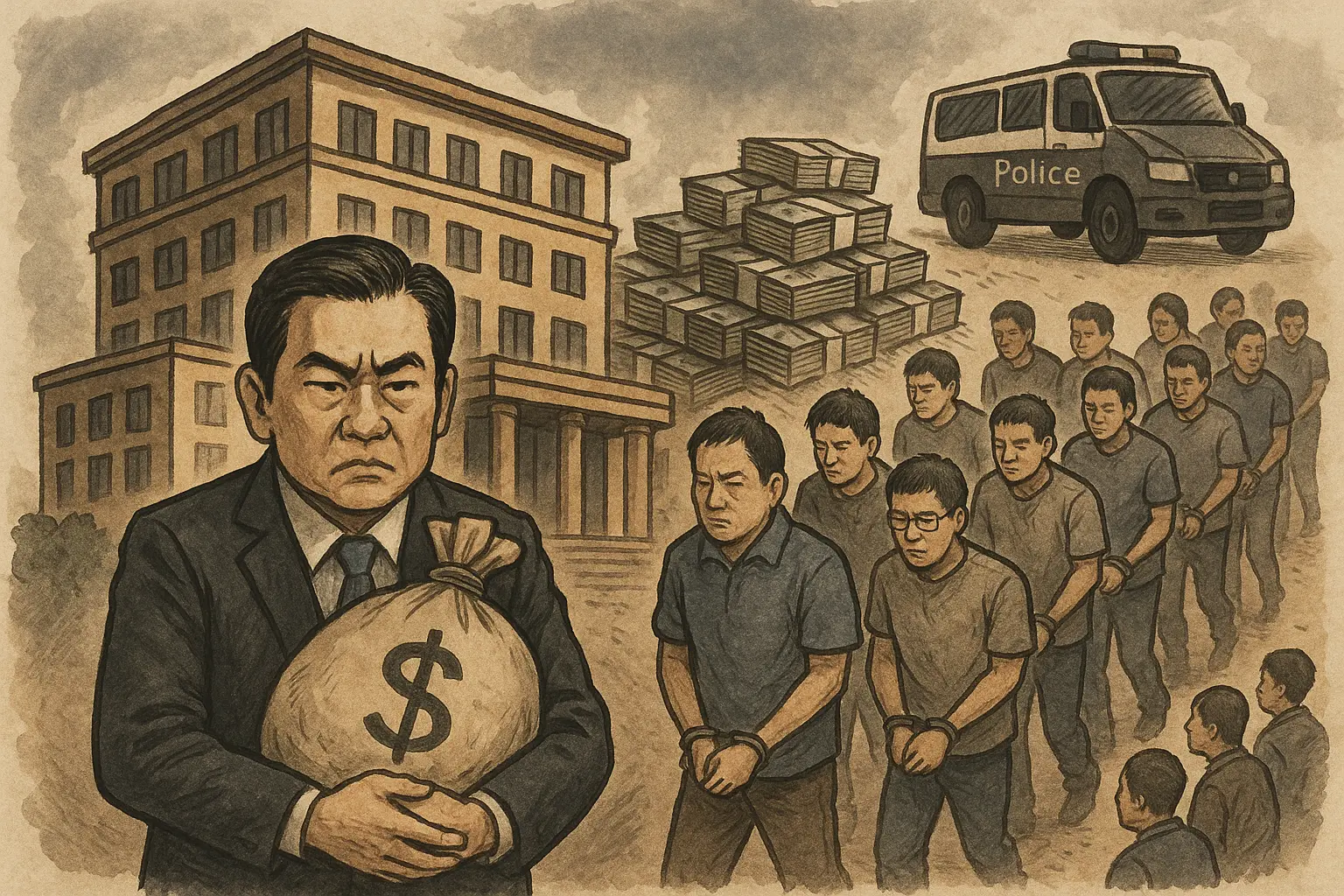
On Wednesday, the Taipei District Prosecutors Office formally indicted 62 individuals related to the Cambodian transnational group Prince Group. The charges include money laundering, gambling, and organized crime, with illegal proceeds amounting to 10.7 billion New Taiwan Dollars. The case involves the seizure of assets totaling 5.5 billion NT dollars. The indictment list includes key suspects such as the group’s leader Chen Zhi (seeking the harshest sentence), his close associate Li Tian, Singaporean accountant Chen Xiuling, and Taiwan-based Prince subsidiary manager Wang Yutang, among others.
Overview of the Indictment: Four Months of Investigation by Taipei Prosecutors, Luxurious Asset Auctions Draw Attention
Led by Chief Prosecutor Lin Yan-jun, along with prosecutors Xie Renhao and Chen Yijun, the Taipei prosecutors spent nearly four months investigating the case, focusing on three major criminal areas: money laundering, online gambling, and organized crime.
Regarding asset disposal, the Taipei prosecutors completed the auction of top luxury cars owned by Prince Group, which attracted public attention: a Porsche 918 Spyder nicknamed “Frog King” sold for 56 million NT dollars, and a Ferrari, “Horse King,” was auctioned at 135 million NT dollars. Additionally, 11 luxury apartments in the Heping Dayuan complex in Da’an District, Taipei, along with 24 other properties and 48 parking spaces, purchased under the group’s corporate name, were seized.
In terms of core members’ sentencing, aside from the group’s leader Chen Zhi, who faces the maximum penalty, other key accomplices face sentences ranging from 10 to 16 years, indicating the prosecution’s firm stance on pursuing heavy sentences for organized crime.
Money Laundering Techniques: Deconstructing the Three-Layer Bleaching System
Chen Zhi, the head of Prince Group, directed operations through his close associate Li Tian in Taiwan, establishing over ten companies registered in Taipei, including Tianxu International Technology and Hao Yue Digital Technology on Civic Boulevard, which develop online gambling software and handle cross-border fraud fund flows.
The Three Major Layers of Money Laundering
Real Estate Concealment: The group purchased 24 properties and 48 parking spaces in Taipei under company names, with all payments made via overseas remittances, converting illegal proceeds into real estate to hide their origins.
Luxury Asset Commercialization: Besides luxury supercars, the group also bought four yachts worth a total of 1 billion NT dollars through a Hong Kong company, which docked at Baduzi Port in Keelung. After the case was uncovered, the yachts hurriedly left Taiwan; three of them have since been resold for cash.
Multi-layer Offshore Money Laundering: Funds were dispersed through Palau resorts and Taiwan cigar shops as “money laundering fronts,” transferring money via business companies to the Marshall Islands. Additionally, hundreds of offshore shell companies were established, using online gambling software design services and lending businesses as fronts to obscure the flow of funds.
Origin of the Case: US Justice Department Sanctions Reveal Cryptocurrency Fraud Background
The key exposure of this case stems from a transnational law enforcement operation by the U.S. Department of Justice. On October 14, 2024, the U.S. federal court in New York announced an indictment accusing Chen Zhi, founder of Prince Group, of implementing “Pig Butchering” cryptocurrency investment scams through brutal detention methods. Simultaneously, the U.S. imposed comprehensive sanctions on 146 targets related to Chen Zhi, prompting the Taipei prosecutors to initiate investigations.
The so-called “Pig Butchering” scam involves criminal groups impersonating cryptocurrency investment opportunities to lure victims into investing, then absconding with all funds. Prince Group accumulated illegal proceeds through such scams, then used Taiwan’s real estate, luxury cars, yachts, and offshore accounts to conduct multi-layered money laundering.
An unexpected case also emerged: a lawyer named Chen, a former prosecutor, was entrusted with custody of Tianxu’s assets before the company shut down. After the Taipei prosecutors began investigating, Chen voluntarily handed over 6.6 million NT dollars obtained from selling Tianxu’s cars and explained the situation, but was still prosecuted by the authorities.
Frequently Asked Questions
Q: How large is the scope and asset range of Prince Group’s money laundering in Taiwan?
The total illegal proceeds amount to 10.7 billion NT dollars, with assets seized totaling 5.5 billion NT dollars. These include 11 luxury homes in Daan District, 24 properties, 48 parking spaces, four yachts, and multiple luxury supercars. This is one of the largest transnational organized crime money laundering indictments in Taiwan in recent years.
Q: How does Prince Group use cryptocurrency scams to accumulate illegal proceeds?
According to the U.S. Department of Justice indictment, Chen Zhi employed the “Pig Butchering” method—faking cryptocurrency investment opportunities to deceive victims into investing, then fleeing with the funds. The group further laundered money through multiple accounts domestically and abroad, along with hundreds of shell companies, to clean the illicit gains.
Q: How does this case connect judicial actions in Taiwan and the U.S.?
The U.S. Department of Justice announced indictments and sanctions on October 14, 2024, targeting 146 related entities, which directly prompted the Taipei prosecutors to launch investigations. This case exemplifies recent cross-border judicial cooperation between Taiwan and the U.S., demonstrating that enforcement against cryptocurrency scams and cross-border money laundering has entered a closer international joint operation mode.
Related Articles
Senator Chris Murphy questions insider trading related to Iran airstrike predictions in the prediction market, with million-dollar bets sparking controversy over "White House corruption"
FBI and Europol jointly shut down the hacker forum LeakBase; law enforcement actions in 14 countries target 140,000 user data
Polymarket nuclear explosion contract attracts $650,000 in trading! Sparks ethical and insider controversy, official removal in emergency.
Europol and the FBI jointly shut down the cybercrime forum LeakBase
Kalshi refuses $54 million payout, insider trading controversy heats up in prediction markets
Hong Kong police uncover money laundering case involving puppet accounts and virtual currency exchange shops; two offenders sentenced to additional prison time.