

Trade
Basic
Futures
Futures
Hundreds of contracts settled in USDT or BTC
TradFi
Gold
Trade global traditional assets with USDT in one place
Options
Hot
Trade European-style vanilla options
Unified Account
Maximize your capital efficiency
Demo Trading
Futures Kickoff
Get prepared for your futures trading
Futures Events
Participate in events to win generous rewards
Demo Trading
Use virtual funds to experience risk-free trading
Earn
Launch
CandyDrop
Collect candies to earn airdrops
Launchpool
Quick staking, earn potential new tokens
HODLer Airdrop
Hold GT and get massive airdrops for free
Launchpad
Be early to the next big token project
Alpha Points
Trade on-chain assets and enjoy airdrop rewards!
Futures Points
Earn futures points and claim airdrop rewards
Investment
Simple Earn
Earn interests with idle tokens
Auto-Invest
Auto-invest on a regular basis
Dual Investment
Buy low and sell high to take profits from price fluctuations
Soft Staking
Earn rewards with flexible staking
Crypto Loan
0 Fees
Pledge one crypto to borrow another
Lending Center
One-stop lending hub
VIP Wealth Hub
Customized wealth management empowers your assets growth
Private Wealth Management
Customized asset management to grow your digital assets
Quant Fund
Top asset management team helps you profit without hassle
Staking
Stake cryptos to earn in PoS products
Smart Leverage
New
No forced liquidation before maturity, worry-free leveraged gains
GUSD Minting
Use USDT/USDC to mint GUSD for treasury-level yields

More





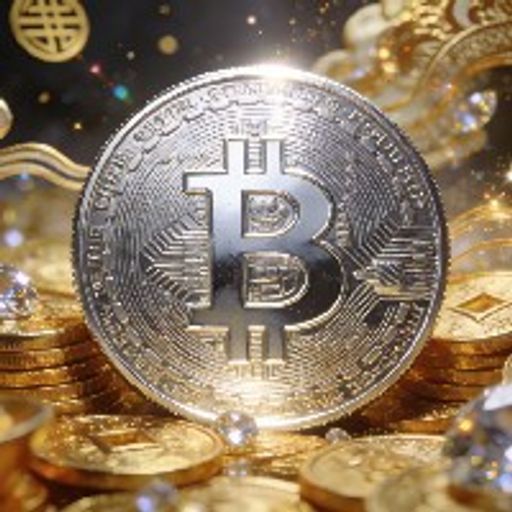
Understanding the Total Amount of Money in the World: A 2026 Overview
Ever wondered just how much money exists globally? The answer is staggeringly complex. When we talk about the total amount of money in the world, we’re actually referring to multiple categories that vary dramatically in scale. Current estimates suggest the global money supply sits in the tens of trillions, but this figure changes significantly depending on what we count.
The Physical Currency Foundation
Let’s start with what we can hold in our hands. Physical currencies—coins and banknotes—represent the smallest portion of global money. Rough estimates place the total value of all physical currencies worldwide at approximately $6.6 trillion. While this sounds enormous, it’s just the tip of the iceberg. The US dollar is the primary reserve currency globally, with roughly $37 trillion in total currency value (including bank deposits and digital holdings) currently circulating across financial systems worldwide.
Digital Assets and Beyond
The real wealth explosion happens when we look beyond physical cash. Bank deposits, electronic transfers, and liquid assets push the broader money supply measurement into the tens of trillions. But here’s where it gets truly mind-bending: money in the form of investments, derivatives, and financial instruments collectively exceeds 1.2 quadrillion dollars. This includes everything from stock market valuations to complex derivative contracts. Cryptocurrencies like Bitcoin add another layer to this ecosystem, though their combined market value remains a fraction of traditional financial assets.
Where Does Your Wealth Fit In?
Understanding these astronomical figures raises an important question: what’s your share of this global money supply? For most individuals, personal wealth represents an infinitesimal portion of the total amount of money circulating worldwide. Whether your assets are held as physical cash, bank deposits, or investments, recognizing the scale of global finance provides perspective on economic systems and wealth distribution.
The gap between physical currency and digital/derivative assets reveals how modern economies function primarily through digital infrastructure and complex financial instruments rather than tangible money. As we navigate 2026’s economic landscape, grasping these distinctions becomes increasingly crucial for financial literacy.