


CFTC Chair: Cryptocurrency perpetual futures to be launched "within a month," countdown to U.S. liquidity return

Michael Selig, Chairman of the U.S. Commodity Futures Trading Commission (CFTC), stated during a panel discussion hosted by the Milken Institute in Washington, D.C., that the CFTC is working towards launching a “genuine” cryptocurrency perpetual futures contract in the United States within the “next month or so,” and indicated that policies from the previous administration had caused a significant outflow of cryptocurrency companies and liquidity overseas.
Perpetual Futures Coming Soon: A Signal of CFTC’s Policy Shift
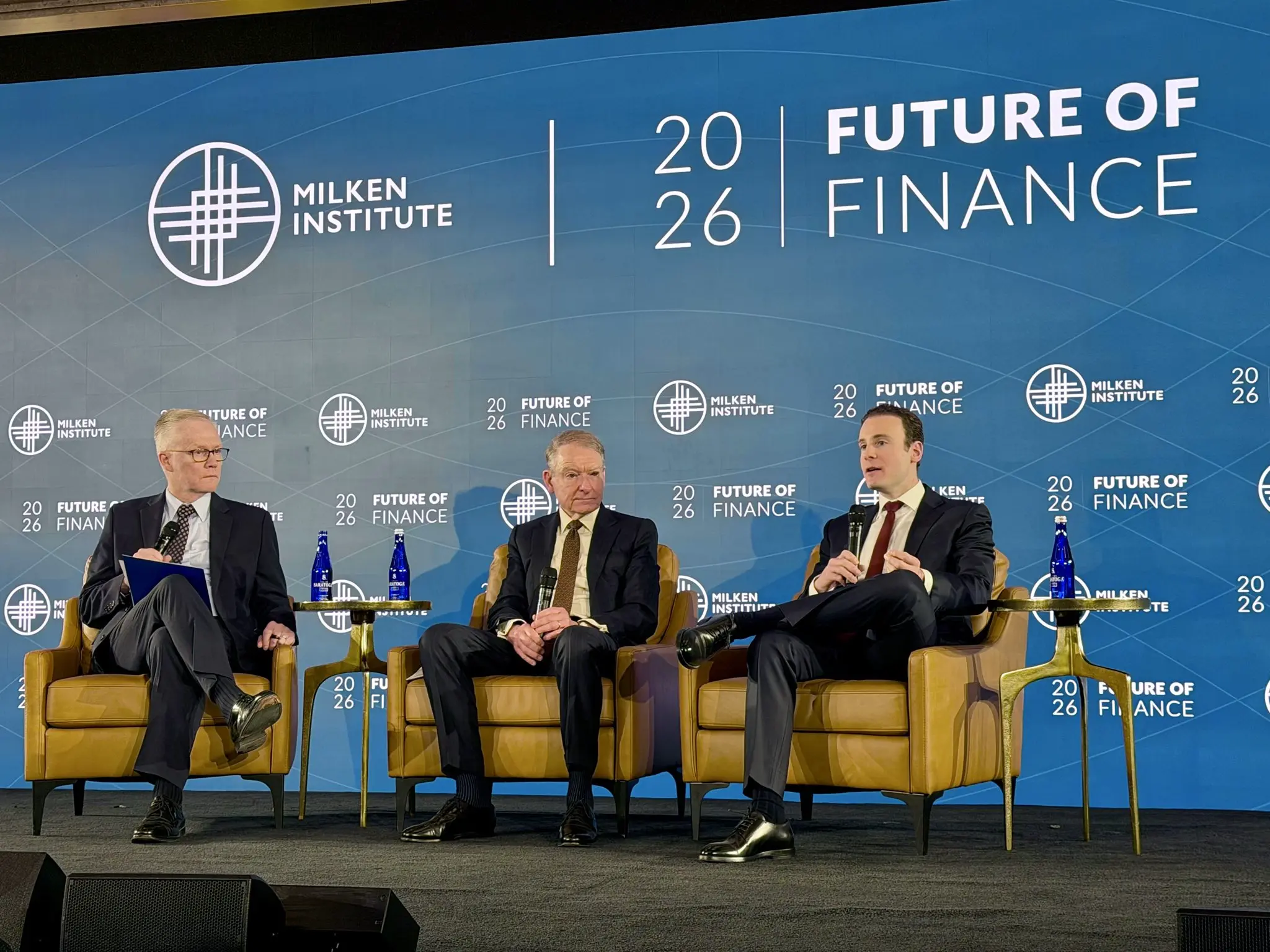 (Source: Michael Selig X)
Selig’s remarks were made during a joint panel discussion with Securities and Exchange Commission (SEC) Chair Paul Atkins. He explicitly stated that the CFTC is actively preparing to introduce cryptocurrency perpetual futures domestically, believing this step is vital to recapturing market liquidity that has shifted abroad due to an unfriendly regulatory environment.
“The previous administration moved many of these companies and liquidity overseas,” Selig said, directly revealing the motivation behind launching perpetual futures — to attract trading volume from foreign platforms like Binance back to a regulated domestic market.
It’s important to note that Selig is currently the only CFTC commissioner confirmed by the Senate; four other seats are vacant, and the Trump administration had not nominated replacements as of the date of this panel discussion. Additionally, Selig mentioned that the CFTC is preparing to issue regulatory guidance “in the near future” for prediction markets, and had previously asserted in February that the CFTC has “exclusive jurisdiction” over platforms offering event contracts, including Kalshi and Polymarket.
Market Structure Legislation Still Stalled: Legislative Certainty Is a Key Gap
Another core issue discussed was the legislative progress — or stagnation — of the Digital Asset Market Structure Bill. SEC Chair Atkins pointed out that the SEC needs “a formal legislative stance from Congress” to guide court rulings and support the commission’s daily work in the crypto space. Selig responded by emphasizing: “Without legal certainty from Congress, your options are very limited.”
As of the date of this discussion, the Senate Banking Committee had not scheduled any hearings on the Market Structure Bill. Industry experts have noted that ongoing disputes over ethics, stablecoin yields, and tokenized stocks have effectively stalled the legislation. The White House held a recent round of talks with industry leaders on stablecoin yields last week, but it remains unclear whether these discussions will lead to substantive legislative progress.
Key Policy Highlights from the Panel Discussion
- CFTC Cryptocurrency Perpetual Futures: Expected to launch in “about a month,” seen as a crucial step to recapturing overseas liquidity.
- Prediction Market Regulatory Guidance: The CFTC plans to release guidance “soon,” asserting federal jurisdiction over platforms like Kalshi and Polymarket.
- SEC’s Legislative Needs: Atkins emphasized the need for Congress to establish a legal framework for digital asset regulation.
- Market Structure Bill Status: No hearings scheduled by the Senate Banking Committee; ongoing disputes over stablecoin yields and other issues have led some experts to believe the bill is effectively stalled.
Frequently Asked Questions
Q: What are cryptocurrency perpetual futures, and what is their significance in the U.S.?
Perpetual futures are derivative contracts without an expiration date, linked to the spot market via funding rate mechanisms. They are already widely offered on offshore exchanges like Binance. If the CFTC approves these products in the U.S., it could attract the large institutional and retail trading volume currently flowing overseas back into a regulated domestic market, providing a compliant local option for crypto derivatives trading.
Q: What is the current status of the CFTC’s agency, and does it affect policy progress?
Michael Selig is currently the only CFTC commissioner confirmed by the Senate; four seats remain vacant, with no nominations from the Trump administration as of the discussion date. Despite this, Selig stated that the CFTC is actively advancing regulation of crypto perpetual futures and prediction markets, but the lack of a full commission could limit the speed and robustness of major policy decisions.
Q: How does the legislative deadlock on the Market Structure Bill impact CFTC and SEC crypto regulation efforts?
Both the CFTC and SEC chairs emphasized that the absence of a clear legal framework authorized by Congress limits their regulatory actions in the crypto space. Even if perpetual futures are launched soon, broader digital asset market regulation could face legal challenges without legislative backing, creating structural constraints on regulatory work at the policy level.
Related Articles
Gate Research Institute: DEX Trading Volume Rebounds, SuperLink Ecosystem Accelerates Development | Gate Institutional Crypto Market Weekly Report (February 23 – March 1, 2026)
Tether USAT's first reserve proof is out! Over-collateralized with 17.6 million MGB, analyzing the reserve composition structure
Gate's annual trading volume increased by $3.9 trillion, a 204% year-over-year growth.
The US-Iran conflict highlights the advantages of 24/7 cryptocurrency trading, with on-chain markets becoming the new global financial hub
Cardano Founder: XRP May Meet SEC's Proposed Security Standards