


Federal Reserve officials criticize: Stablecoin advantages haven't surpassed existing systems; crypto applications are basically nonsense
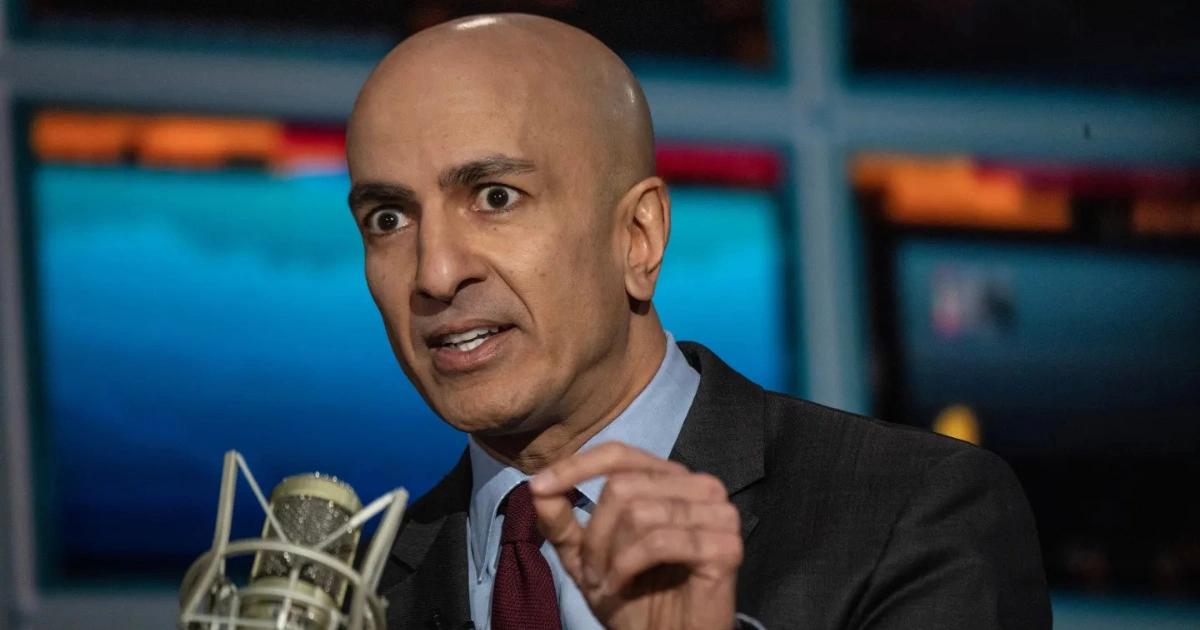
Federal Reserve Chair Kashkari Criticizes Cryptocurrency as Having No Real Value, Questions Stablecoin Payment Advantages, and Defends Fed Independence, Contrasting with Trump Administration’s Crypto Policies.
Criticizes Cryptocurrency as Completely Useless, Accuses Industry of Overloading Jargon
Neel Kashkari, President of the Federal Reserve Bank of Minneapolis, spoke critically about the cryptocurrency and stablecoin industries on February 19 at the Midwest Economic Outlook Summit held in North Dakota.
Kashkari openly stated during the event that cryptocurrencies have existed for over a decade, yet their performance is entirely useless, and they have yet to demonstrate any actual economic value to the public.
He compared cryptocurrencies to artificial intelligence (AI), noting that although AI technology has been around for a relatively short time, people are already frequently using tools like ChatGPT or Gemini in daily life, which show tangible potential to drive long-term economic growth in the U.S. In contrast, he asked the audience how many have used Bitcoin ($BTC) to purchase goods, receiving little response. He believes supporters’ explanations are often “word salad nonsense,” full of technical jargon, which avoids addressing the real utility and fails to provide clear, convincing examples.
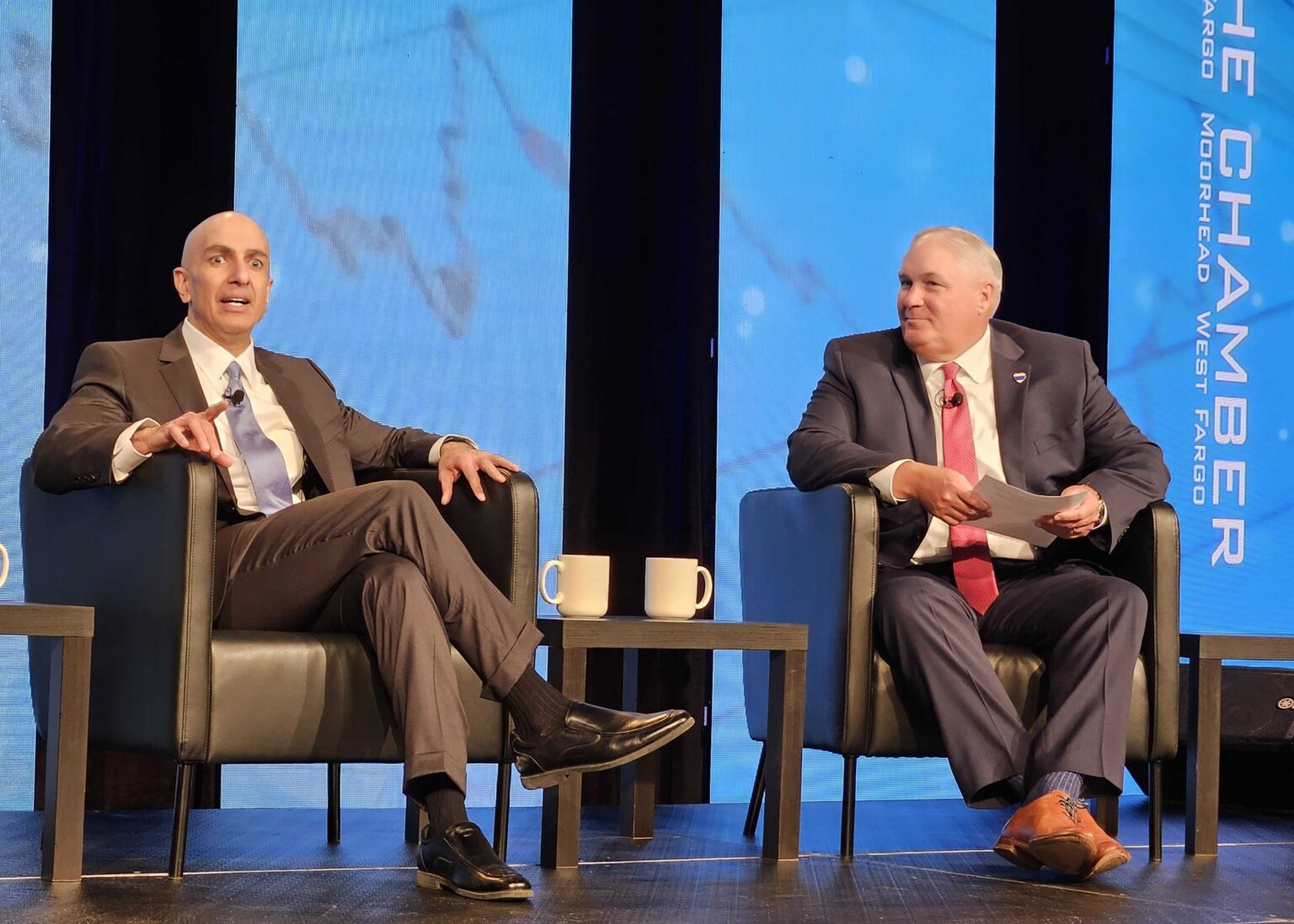
Image source: North Dakota Monitor U.S. Federal Reserve Bank of Minneapolis President Neel Kashkari (left) criticizes cryptocurrency during a forum event.
Questions Stablecoin Payment Advantages, Challenges High Cross-Border Remittance Costs
Kashkari also expressed strong skepticism toward the stablecoins promoted heavily by the crypto industry. He questioned their superiority in the payments sector and compared them with existing financial services like Venmo, PayPal, or Zelle.
Kashkari stated that U.S. consumers can already use these mature apps to quickly send small amounts of money, and the so-called “magical” features of stablecoins do not offer significant advantages over current payment systems in practice.
Regarding supporters’ claims that stablecoins can improve cross-border remittance processes, Kashkari shared his own experience of sending money to relatives in the Philippines. He pointed out that while stablecoins can enable instant transfers, recipients still need to convert these digital assets into local currency before purchasing daily necessities or paying for groceries. The currency exchange costs and fees involved often offset the low-cost benefits touted by digital assets.
He further criticized that unless the entire world abandons independent monetary policies and adopts a unified platform, friction in cross-border payments will persist. Clearly, global sovereign nations are unlikely to give up their monetary sovereignty for stablecoins.
Defends Federal Reserve Independence, Opposes Trump Administration’s Crypto Policies
Beyond technical criticisms, Kashkari emphasized the importance of maintaining the independence of the Federal Reserve during the summit. He mentioned that over the past year, the Fed has faced multiple attempts at external interference, including attacks from Kevin Hassett, director of the U.S. National Economic Council, regarding the New York Fed’s tariff research, and subpoenas from the Department of Justice concerning the Fed’s operational expenses.
Further reading
Justice Department Investigates the Fed! Accuses Powell of Lying About $2.5 Billion Budget, Sparks Bipartisan Outrage
Kashkari advocates that central bank decisions should be based on data and analysis, not short-term political interests. Independence is the cornerstone of effective monetary policy, and a key factor in maintaining stability in all advanced economies.
Notably, Kashkari’s stance sharply contrasts with the policies of the Trump administration. In March 2025, Trump signed an executive order establishing a “Strategic Bitcoin Reserve,” and in July of the same year, signed the GENIUS Act to improve regulation of USD stablecoins.
Treasury Secretary Scott Bessent publicly stated that regulated stablecoins help reinforce the dollar’s dominance in the global payment system and maintain U.S. financial influence. However, Kashkari likens the crypto market to the “Beanie Babies” bubble of the 1990s, pointing out that the main use of digital assets in the U.S. seems to be for evading KYC and anti-money laundering regulations, which is not a positive development from a regulatory perspective.
Economic Outlook and Market Conditions Show Caution Among Officials
Discussing the overall economic situation, Kashkari provided recent data. He noted that current U.S. inflation is between 2.5% and 3%, with the unemployment rate rising from 3.5% to 4.3%. After multiple rate cuts over the past two years, the Fed’s stance is now close to “neutral.” While some sectors like agriculture still face challenges, North Dakota’s labor market has experienced its first “full employment” in a decade, indicating steady performance in manufacturing and services.
In market dynamics, despite the skepticism from Fed officials, traditional financial institutions continue to expand into the crypto industry.
- CME Group recently announced plans to launch 24/7 cryptocurrency derivatives trading to meet institutional investor demand.
- Meanwhile, the crypto market remains volatile, with mining firm Bitdeer revealed to have liquidated all Bitcoin holdings and shifted funds toward AI infrastructure development, reflecting a capital shift aligned with technological trends.
Further reading
Never Sleeps! CME to Launch 24/7 Crypto Futures and Options Trading in May
Mining companies brace for winter! Bitdeer liquidates Bitcoin assets, Wu Jihan: This doesn’t mean future assets will be zero
Currently, Bitcoin trades around 65,000 points, and the market is closely watching upcoming regulatory policies and global economic indicators. Kashkari’s comments serve as a sober reminder to investors to focus on the real utility of assets amid the lively crypto market environment.
Related Articles
Analysis: De-globalization and AI reshaping the macro environment, with crypto assets being sold off as high-beta growth assets
The stablecoin legislation is about to be implemented, and mainstream CEX stablecoin revenue could surge up to 7 times
Federal Reserve plans to eliminate the "Reputation Risk" rule: restrictions on bank accounts for crypto companies may see significant easing
Is the Yen's rebound hopeless? Sanae Takaichi persuades Kazuo Ueda "not to raise interest rates," BOJ may hold steady in March
Bitunix Analyst: US and Japan May Be Planning Joint Intervention, Rate Cut Expectations Fluctuate Again
From the new RWA policy, observe the internal and external circulation of Digital RMB 2.0