


Trump's State of the Union Address: No mention of cryptocurrencies, inflation hinders the Federal Reserve's rate cuts
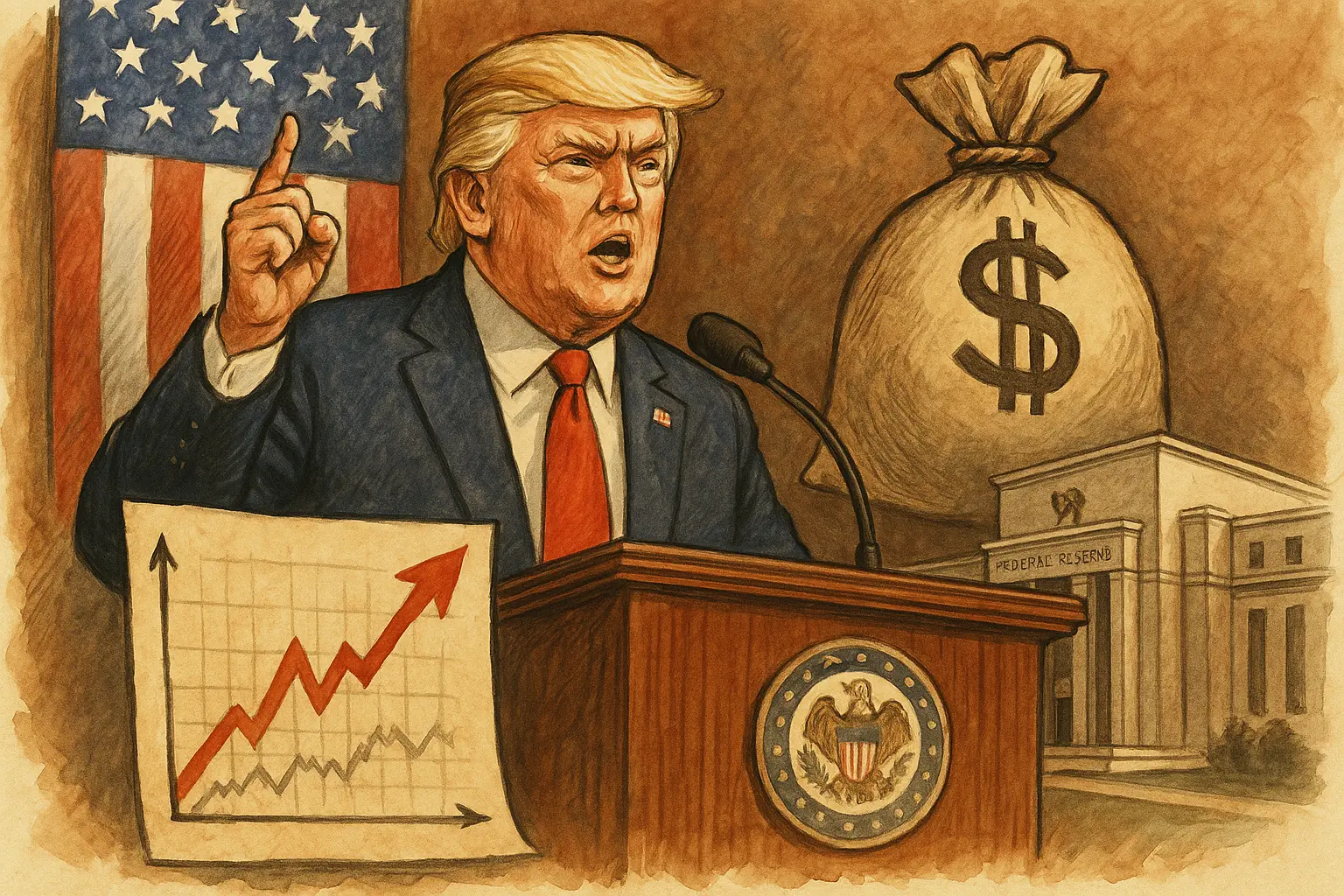
U.S. President Donald Trump delivered the longest State of the Union address in history on Tuesday, speaking for nearly two hours, covering a number of topics such as economic achievements, Iran’s nuclear threat and tariff policy defense, but was completely absent from the entire speech. Core personal consumption expenditures (PCE) inflation accelerated to 3% in December, with the Federal Reserve’s room to cut interest rates in the short term significantly limited, and the high-interest rate environment continues to weigh on risk assets, including cryptocurrencies.
Cryptocurrencies disappeared from the longest State of the Union address in history
Trump has previously publicly promised to build the United States into the “global cryptocurrency capital” and frequently interacted with the crypto industry during the election campaign. However, in this historically long speech, taxes, artificial intelligence, housing, and healthcare were all devoted to it, but cryptocurrencies were not even mentioned.
This absence is seen by the industry as an important policy signal. In contrast, AI gained notable attention in his speech – Trump announced the launch of the “Power User Protection Pledge,” requiring tech companies to build their own power plants for data centers, and explicitly acknowledging that the existing grid “will never be able to cope” with the surge in computing power demand. First Lady Melania Trump’s work on AI legislation has also been highlighted, clearly demonstrating that AI policy is a priority on the current government agenda that far outweighs digital asset regulation.
Tariff chaos and high inflation: Structural obstacles to the Fed’s rate cuts
The most important macro signal the crypto market has gained from Trump’s State of the Union address is not legislative movements, but a potential delay in the interest rate path.
The chaotic situation of tariff policy
After the Supreme Court ruled that Trump’s emergency tariffs were illegal, Trump called the ruling “very unfortunate” and vowed to maintain the tariffs based on other legal bases. However, the policy rollout immediately fell into chaos: the alternative tax was first announced at 10%, and a few days later it was revised to 15%, but official documents show that the lower alternative tax rate took effect silently on Tuesday without any adjustment instructions. The European Union immediately suspended the ratification of the summer trade agreement, and India postponed the scheduled negotiations.
Trump also reiterated in his speech that tariffs can “substantially replace” income taxes, but the gap between the two calls into question the credibility of this claim as the federal government’s income tax revenue reaches $2.4 trillion in 2024, tariff revenue is only about $300 billion, and about half of it still needs to be refunded according to court rulings.
The current state of inflation and the Fed’s stance
In his speech, Trump claimed that core inflation would fall to 1.7% by the end of 2025, but the Fed’s preferred indicator suggests a more dire picture: core PCE accelerated to 3% in December, well above the 2% target level. Here are the main factors currently influencing the Fed’s interest rate cut path:
Inflation continues to be high: Core PCE reached 3%, far exceeding the 2% target, and the conditions for interest rate cuts are not yet ripe
Tariff policy uncertainty: Repeated changes in trade policy have made it difficult to predict the inflation outlook
Rate cuts at the end of 2025 are already the short-term limit: Three interest rate cuts totaling 0.75% at the end of last year are regarded by the market as the last round of the recent cycle
CME Group FedWatch data: The market is currently pricing in a 96% probability that the March FOMC will keep interest rates unchanged
Frequently Asked Questions
Trump’s State of the Union address did not mention cryptocurrencies, what is the actual impact on the crypto market?
The direct impact is limited, but the signal significance of policy priorities cannot be ignored. The advancement of cryptocurrency regulatory legislation (including the Market Structure Act and the Stablecoin Act) on Capitol Hill does not directly rely on the mention of the State of the Union address; However, the setting of administrative priorities affects the political resources and negotiation momentum obtained by related issues, and the crypto industry generally expects clearer signals of official support.
How does the high inflation environment affect the cryptocurrency market?
A high-interest rate environment means relatively high returns on holding low-risk assets such as U.S. Treasuries, making it less attractive to allocate to high-volatility risk assets, including cryptocurrencies. Additionally, the Federal Reserve’s high interest rates have also affected overall market liquidity, limiting institutions’ willingness to increase their exposure to crypto assets.
Does the Trump family’s continued involvement in crypto projects represent the government’s substantial support for the crypto industry?
The business conduct and administrative policy of family members are two separate levels. Projects such as World Liberty Financial represent the business interests of the family, while cryptocurrency regulatory legislation at the federal level needs to be advanced through congressional proceedings and is influenced by the broader legislative game. The absence of cryptocurrencies in this State of the Union address shows that the policy focus at the administrative level is currently closer to AI and energy infrastructure issues.
Related Articles
Crypto Market Slides as Bitcoin Falls on War Tensions
ETH short-term increase of 1.52%: USDC large-scale burning and macro hedging sentiment resonate to boost buying interest
70% of assets heavily invested in Bitcoin! Mexican billionaire urges "buy quickly during the dip," and the wealthy dad is also increasing his holdings
Cryptocurrencies in Picture as JPMorgan Trims Non-Oil Growth for Gulf Economies
Strait of Hormuz Tensions Push Up Oil Prices, Bitcoin Faces Liquidity Tests from All Sides
Ethereum Price Analysis: ETH Approaching $1950, Whales Continue to Reduce Holdings for 90 Consecutive Days