


Beware of "Black Swan" shocks! Reuters: Probability of the Bank of Japan raising interest rates in March drops to 5%
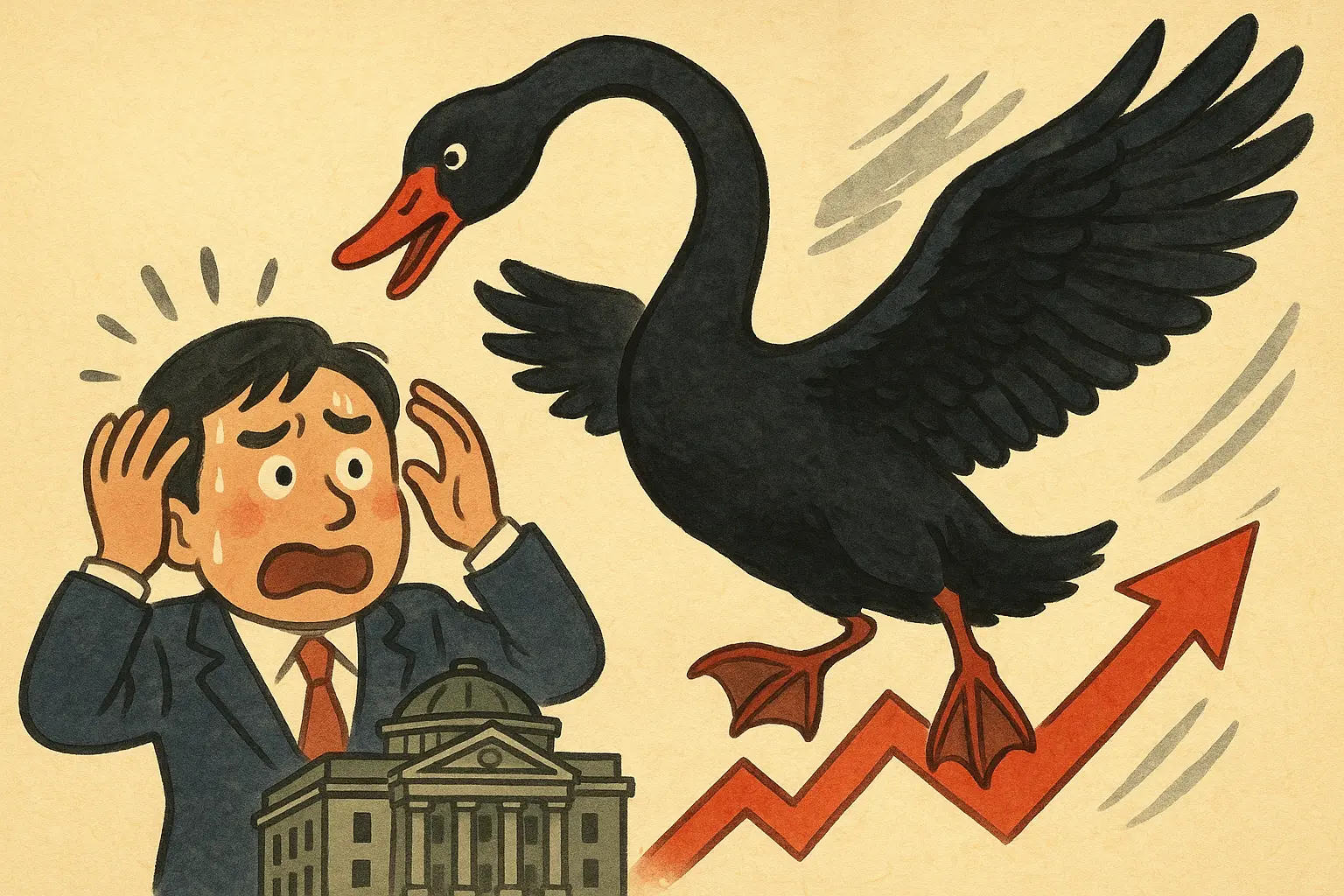
Reuters, on March 3, 2026, citing multiple sources, reported that the recent market volatility triggered by the US-Iran conflict has significantly increased the likelihood that the Bank of Japan will hold off on rate hikes at its March 18-19 meeting; after Nara Igami did not signal a hawkish stance, the probability of a rate hike in March dropped from about 10% to just around 5%. Several sources stated, “The BOJ is finding it increasingly difficult to raise rates.”
The Transmission Logic of the Middle East “Black Swan” to Japan’s Monetary Policy
Japan is one of the world’s major economies heavily dependent on imported fuel. The outbreak of Middle East conflict directly impacts in two ways: first, rising oil prices increase import costs, potentially driving overall inflation through energy price hikes; second, if the conflict persists, it will damage export prospects and suppress consumer investment, delaying economic recovery.
Several informed sources familiar with the BOJ’s decision-making told Reuters that policymakers need more time to assess the economic impact of this geopolitical crisis. One source noted that although rising oil prices could temporarily boost inflation expectations, if the conflict continues, its negative effects on the economy may outweigh the inflationary benefits, making rate hikes less justifiable.
The only factor currently likely to prompt the BOJ to act in March is a significant decline in the yen. After the US launched strikes on Iran, demand for safe-haven dollars surged, and the yen approached a critical psychological level of 160. Sources said that if the yen depreciates sharply, it could force the BOJ to raise interest rates to support the exchange rate and prevent further import inflation pressures.
Market Pricing and Analyst Interpretations
BOJ Vice Governor Nara Igami did not signal any imminent policy adjustments in a public speech on Monday. This silence has become an important reference point for the market—during previous tightening cycles, BOJ officials typically issued hawkish signals in advance to avoid surprising the market.
Senior strategist Katsutoshi Inadome of Sumitomo Mitsui Trust Asset Management said, “If the BOJ is considering a rate hike in March, Igami should have given some hints. He didn’t, which convinces me that the BOJ will forgo a rate increase this month.” He added that the next possible rate hike is most likely in April, especially if the yen continues to weaken.
Key Data on BOJ Rate Hike Expectations
- March Rate Hike Probability: Dropped to about 5% after Igami’s comments (previously around 10%)
- April Rate Hike Probability: About 60% of market participants see the meeting on April 27-28 as the more likely timing
- Reuters Survey: Most economists expect the BOJ to raise rates to 1% before the end of June 2026
- Key Yen Level: The yen is approaching 160 against the dollar; a sharp break could compel the BOJ to act
- Ueda Kuroda’s Position: In a February 26 interview with Yomiuri Shimbun, he left open the possibility of a March or April hike but emphasized that the decision depends on upcoming data
Frequently Asked Questions
What is the direct link between the BOJ’s pause in March rate hikes and the Middle East conflict?
The Middle East conflict influences Japan’s monetary policy through two pathways: rising oil prices and deteriorating economic outlook. Japan needs to balance inflation pressures with economic growth risks. When the situation is uncertain, it tends to adopt a wait-and-see approach, acting only after more data is available. Sources indicate that the impact of this crisis depends on how long the war continues.
Why could the yen approaching 160 actually prompt a rate hike in March?
A continued yen depreciation increases import costs (including energy and food), raising domestic inflation and threatening the effectiveness of previous inflation control measures. If the yen falls below key support levels like 160, the secondary inflationary pressures from currency depreciation could force the BOJ to raise rates early to support the exchange rate, even if the macro environment isn’t ideal.
How do changes in BOJ rate hike expectations affect the cryptocurrency market?
BOJ rate hikes usually lead to yen appreciation, which can trigger a “yen carry trade” unwinding—funds borrowed in low-interest yen to invest in higher-yield assets like Bitcoin are forced to be repaid, impacting crypto markets. If the BOJ pauses in March, this pressure may temporarily ease, helping to maintain liquidity in risk assets.
Related Articles
Bitcoin Remains Resilient as Iran-US Conflict Fuels Risk-Off Sentiment
JPMorgan CEO slams the crypto industry: "Interest-bearing stablecoins" are equivalent to deposits and should be regulated like banks
Oil prices surge, interest rate cut expectations cool down! Circle benefits as the target price breaks $100
Japan launches blockchain sandbox! Testing real-time settlement of bank reserves and assessing the integration of private stablecoins
BTC 15-minute increase of 0.79%: ETF capital net inflow and institutional buying drive short-term rally
White House advisor responds to Jamie Dimon: Stablecoin yields are not equivalent to bank deposits; GENIUS Act regulatory logic becomes the focus again