


FATF: Iran and North Korea frequently use stablecoins for money laundering, involving a total of $51 billion in fraud-related funds
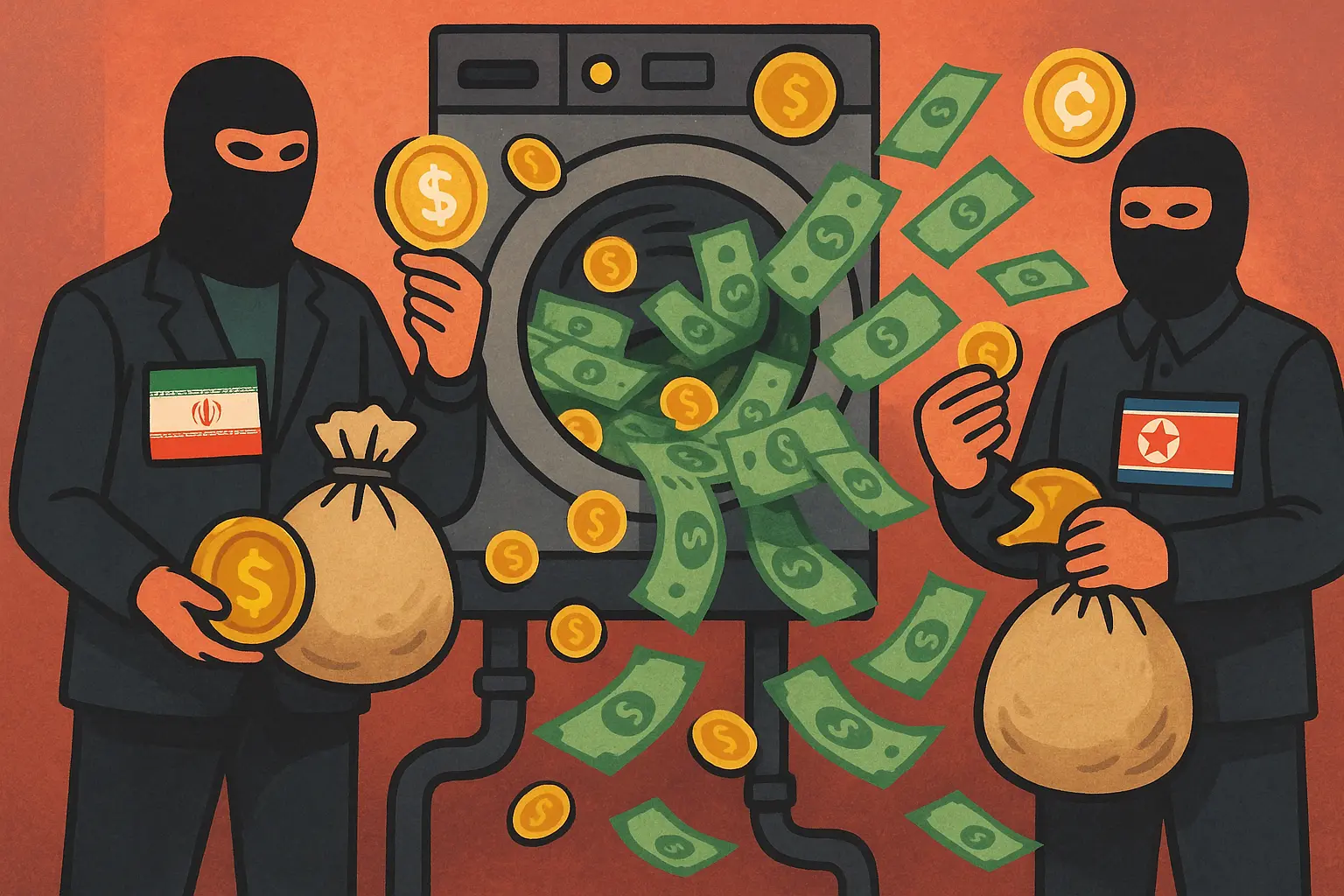
The Financial Action Task Force (FATF) in its latest report states that stablecoins have become the most popular virtual assets used in illegal transactions, involving participants from sanctioned countries such as Iran and North Korea. FATF estimates that in 2024, illegal stablecoin activities related to scams and fraud will amount to approximately $51 billion.
How Iran and North Korea Use Stablecoins to Evade Sanctions
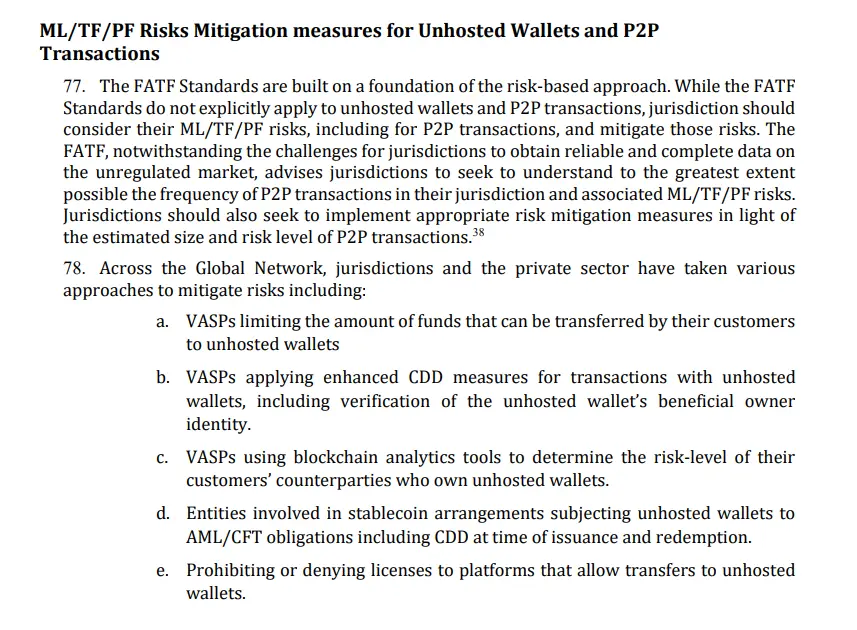
(Source: FATF)
FATF explicitly names several major actors using stablecoins for illegal activities in its report. North Korea’s Lazarus Group uses stablecoins to purchase military equipment; Iran’s Islamic Revolutionary Guard Corps (IRGC) uses stablecoins to acquire drone parts; terrorist organizations and drug trafficking groups also heavily rely on USDT and USDC for money transfers and money laundering.
Stablecoins are favored by criminals because they combine price stability with high liquidity, making them easier to transfer compared to more volatile cryptocurrencies like Bitcoin. A report by TRM Labs in February 2025 shows that illegal entities received a total of $141 billion in stablecoins in 2025, the highest in five years, with activities related to sanctions accounting for 86% of illegal virtual asset flows.
In response, some issuers have taken action. On July 2, 2025, Tether, the issuer of USDT, conducted the largest-ever freeze of Iran-related funds, freezing 42 cryptocurrency wallet addresses, over half of which are heavily associated with the local exchange Nobitex.
Main Methods and Vulnerabilities in Illegal Stablecoin Activities
- North Korea’s Lazarus Group: Using stablecoins to purchase military equipment to evade international sanctions
- Iran’s IRGC: Using stablecoins to acquire drone parts and military supplies
- Terrorist and Drug Trafficking Groups: Large-scale use of USDT and USDC for money laundering and transfers
- Uncustodied Wallet Vulnerabilities: Peer-to-peer transactions lack anti-money laundering controls, making tracking difficult for regulators
- Techniques for Concealment: Using cross-chain technology, decentralized exchanges, and OTC brokers to hide fund sources
FATF’s Policy Recommendations: Strict Regulation Instead of Total Ban
FATF clearly states in its report that it does not call for a complete blacklisting of stablecoins but strongly urges countries to implement AML obligations for stablecoin issuers and intermediaries. Specific recommendations include: establishing whitelist and blacklist systems to restrict certain wallet transactions; enabling issuers to intercept, freeze, and destroy suspicious stablecoins in secondary markets; and creating international regulatory bodies to enhance information sharing and joint enforcement.
Currently, the global stablecoin market exceeds $300 billion. As adoption accelerates and integration with traditional finance deepens, FATF believes that regulators worldwide must act swiftly and adopt blockchain analysis tools to close regulatory gaps.
Frequently Asked Questions
How do Iran and North Korea use stablecoins?
According to FATF, Iran’s IRGC uses stablecoins to buy drone parts and military supplies; North Korea’s Lazarus Group uses stablecoins to purchase military equipment. Both countries, under strict international sanctions, rely on stablecoins as primary tools to bypass traditional financial sanctions.
Why are stablecoins more favored by illegal activities than Bitcoin?
FATF points out that stablecoins combine price stability and high liquidity, making them more practical for illegal fund transfers. Unlike Bitcoin’s high price volatility, stablecoins maintain a fixed value, facilitating real-world purchases and large-scale transfers while reducing the risk of losses due to price fluctuations during transfer.
What does FATF recommend to address illegal use of stablecoins?
FATF does not call for banning stablecoins but recommends imposing strict AML obligations on issuers, including establishing whitelist and blacklist systems, enabling freezing and destruction of suspicious tokens, and strengthening international information sharing. Stablecoin issuers should adhere to the same compliance standards as traditional financial institutions.
Related Articles
Oil prices surge, interest rate cut expectations cool down! Circle benefits as the target price breaks $100
Morpho officially launches sUSDD/USDC lending market with an initial supply cap of $15 million
Circle has added the minting of 1 billion USDC on the Solana blockchain
Circle: Nanopayments is now live on the testnet, supporting the sending of ultra-small USDC transactions.
Circle CEXed $1 Billion USDC on Solana in Past 10 Hours