I. From “Asset” to “Token”: The Core Carrier of Web3
In previous lessons, we covered the basic structure of Web3: asset on-chain, private key control, smart contract-defined rules, and the role of stablecoins as financial infrastructure. Throughout this system, one core element remains constant: the token.
Many people entering Web3 for the first time tend to view tokens simply as “coins” or as objects of price speculation. But this limited perspective leads to focusing only on price and not understanding the underlying mechanisms. More accurately, tokens are the carriers of all value, rights, and incentives in the Web3 world.
Whether it’s DeFi, NFTs, games, or various protocols, everything essentially revolves around tokens. Without tokens, it’s difficult for Web3 to establish a complete economic system.
II. The Essence of Tokens: More Than Assets—A Mechanism Design Tool
The biggest difference between tokens and traditional assets is that tokens not only represent value but can also be embedded into system rules as part of incentives and constraints.
In Web2, platform incentives are usually closed systems such as points, membership levels, or ad revenue shares—all controlled unilaterally by the platform. In Web3, tokens can be embedded into smart contracts, making the operating logic and incentive mechanisms transparent.
Functionally, tokens typically have the following attributes:
- Transferable and tradable
- Usable within protocols
- Serve as incentives or rewards
- Bind governance or decision-making rights
Therefore, rather than just being “coins,” tokens are programmable economic units.
III. Three Core Types: Utility, Governance, and Value Capture
To better understand tokens, their functions can be abstracted into three core types. These types often coexist within a single project.
1. Utility Tokens: These serve primarily as access credentials for a protocol or product. For example, in some networks, users must pay tokens to use services or participate in specific features. This model is akin to “digital fuel”—the token’s value comes from its usage demand.
2. Governance Tokens: These grant holders the right to participate in protocol decisions, such as voting on parameter changes, fund allocation, or product direction. This transforms users from “consumers” into “participants” or even “decision-makers.”
3. Value Capture Tokens: These are directly linked to protocol revenue or growth. For example, fees generated by a protocol might be distributed to token holders, or buyback mechanisms may increase token value. This model is similar to “equity logic,” but with more flexible implementation.
Understanding these three attributes helps you evaluate a token’s long-term value sources beyond just short-term price movements.
IV. Why Nearly Every Web3 Project Issues Tokens
In traditional internet businesses, product success often depends on user growth and business models. In Web3, tokens become the key tools connecting users, capital, and protocols.
Projects issue tokens for several core reasons:
- Incentivize early users to help build the network
- Attract liquidity and capital inflow
- Establish community consensus
- Create long-term interest alignment
Tokens essentially serve a role similar to Customer Acquisition Cost (CAC). Unlike Web2 models that rely on subsidies, advertising, or marketing to acquire users, Web3 projects can directly use tokens for incentives—allowing users to earn potential returns while participating.
This is why many Web3 projects quickly accumulate users in early stages through airdrops, mining, or reward mechanisms.
V. Tokens and Markets: Where Does Price Come From?
Another key question about tokens is: How is their price determined?
On the surface, token prices are set by market supply and demand; but deeper drivers can be broken down into three factors:
- Usage demand: Are there people who need this token to use the product?
- Growth expectations: Does the market believe this project will develop further?
- Liquidity conditions: Is it easy for capital to move in and out?
These three factors together determine token price volatility.
For example, even if current usage is low, as long as the market expects strong future growth, the token price may still rise; conversely, if expectations fall—even if the product is still operational—the price may keep dropping.
Thus, in Web3, prices reflect not only reality but also expectations.
VI. The Rise of Memes: When Tokens Detach from “Fundamentals”
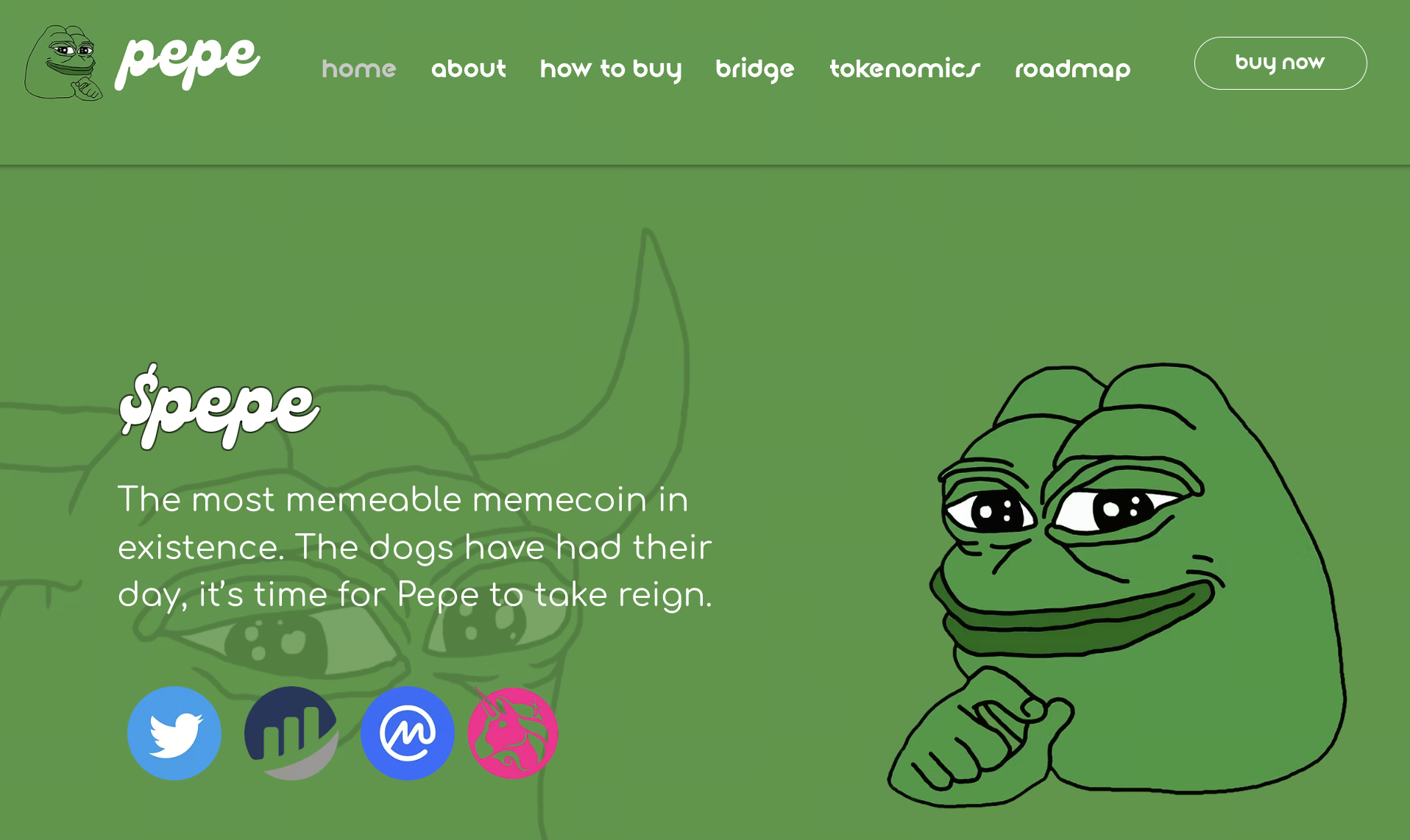
After understanding token fundamentals, a common question arises: Why do some tokens with almost no practical use achieve massive market caps?
A typical example is Dogecoin.
These are usually called meme tokens, characterized by:
- No clear product or application scenario
- Reliance on community culture and viral spread
- Price volatility highly dependent on sentiment
The existence of memes demonstrates that token value can stem not only from “utility,” but also from “consensus.”
When enough people believe a token has value and are willing to trade it, it can establish a price. This mechanism exists in traditional finance too but is amplified in Web3 due to lower barriers for issuance and trading.
Therefore, token pricing can be understood as:
- Utility value
- Narrative (consensus) value
- Liquidity-driven value
The final price reflects the combination of these factors.
VII. Structural Changes Driven by Tokens: Reshaping Relationships Among Users, Projects, and Capital
Tokens have changed not only asset forms but also relationships among participants.
In Web2:
- Users are product consumers
- Platforms own the value
- Investors are mainly institutions
In Web3:
- Users can be both consumers and investors
- Projects share growth with users via tokens
- The boundary between capital and community becomes blurred
This structure removes the clear line between “using a product” and “participating in investment.”
For instance, a user may benefit directly from a protocol’s growth by holding its tokens while using its services—a dynamic rarely seen in traditional internet models.
Lesson Summary
The core of this lesson is understanding the real role of tokens—not just their prices. Key takeaways:
- Tokens are unified carriers of value, rights, and incentives in Web3
- Token value can be analyzed across utility, governance, and value capture dimensions
- Market price is determined by utility, consensus (narrative), and liquidity together
When you understand tokens structurally, you move beyond just “watching prices” and start to grasp how the entire system operates.